
In the ever-evolving world of heating solutions, understanding duct heater elements is crucial for effective climate control. Experts like Johnathan Reed, a seasoned HVAC engineer, emphasize, "Choosing the right duct heater elements can significantly improve efficiency and comfort." This sentiment rings true as global buyers face increasing demand for reliable heating solutions.
Duct heater elements play a pivotal role in the performance of HVAC systems. Their design ensures that air is warmed evenly and efficiently, which can lead to significant energy savings. However, selecting the appropriate elements is not straightforward. Buyers must be aware of different materials, watt densities, and potential installation challenges.
Navigating this market requires both knowledge and caution. While performance is key, not all elements are created equal. Some products may fall short of expectations. Environmental factors and system compatibility must also be considered. Reflecting on these nuances can help buyers make informed decisions in 2026 and beyond, ensuring optimal comfort and efficiency.
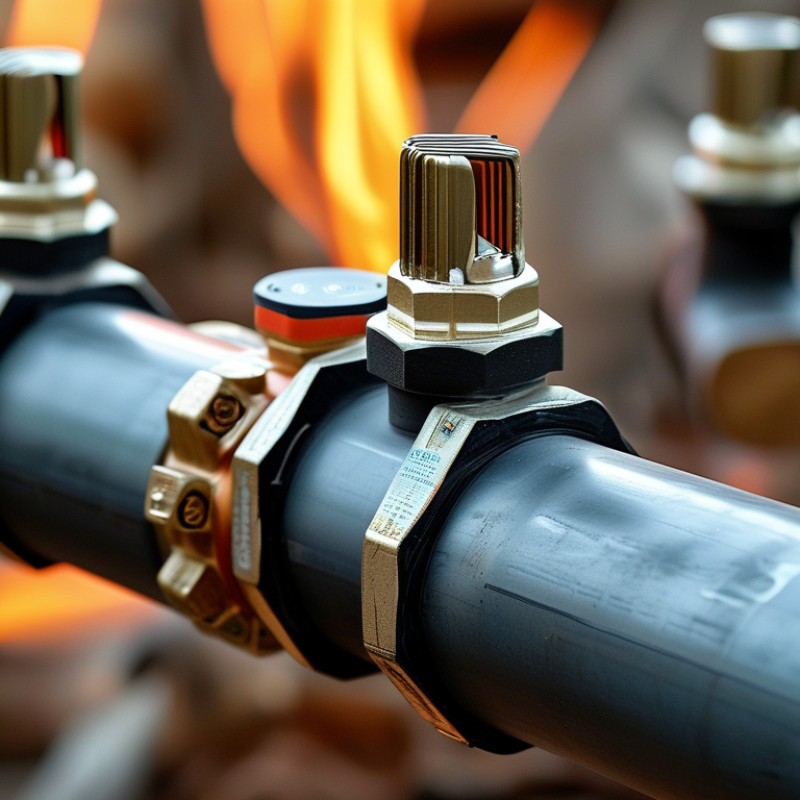
When selecting duct heater elements in 2026, a few key considerations emerge. Efficiency stands out as a primary factor. Buyers should look for models boasting high thermal efficiency ratings. This directly impacts energy consumption and cost savings over time. Understanding energy sources is equally crucial. Buyers must weigh the benefits of electric versus gas options, depending on availability and preferences.
Safety features cannot be overlooked. Modern duct heaters should include advanced safety mechanisms. Overheat protection and automatic shut-off features are essential. These add layers of security for residential and commercial spaces. Aesthetics play a role too. The design should blend seamlessly with existing interiors, yet robust construction ensures longevity.
Compatibility with existing HVAC systems is another critical factor. Duct heater elements should align with current setups to avoid installation headaches. Additionally, consider the size and capacity needed for specific spaces. A model too small will struggle, while one too large may waste energy. Reflecting on these aspects, buyers can choose thoughtfully, ensuring long-term satisfaction with their duct heater investment.
When exploring the global market for duct heater elements, various types emerge. Electric resistance heaters are commonly used. They convert electrical energy into heat effectively. These elements are popular due to their simplicity and efficiency. Users appreciate their ability to provide immediate warmth. However, they might require more energy compared to other options.
Hydronic heaters are another option. They use hot water to heat the air in ducts. This approach can be more energy-efficient in some cases. The systems require a boiler for heating water. Maintenance can be tricky, especially if leaks occur. Users might find the installation process complicated.
Another choice is the gas-fired duct heater. These heaters utilize natural gas for heating. They are often available in various sizes. They can warm large spaces quickly. However, installation requirements can vary. Users must consider ventilation to ensure safety. Overall, each type of duct heater element offers unique advantages and challenges. Buyers must weigh these factors carefully.
When selecting the best duct heater elements, evaluating key features is crucial. Efficiency is often the first consideration. Look for elements with high thermal output. This ensures they can heat space quickly and effectively. Pay attention to the watt density, as higher density can mean faster heating but may also risk overheating.
Durability is another vital aspect. The materials used in the construction of duct heaters must withstand high temperatures. Stainless steel or ceramic options are often preferable. Additionally, check the safety ratings to prevent overheating problems that could lead to malfunctions.
Tips to enhance performance include regular maintenance. Clean the elements periodically to prevent dust buildup. This not only boosts efficiency but also extends the lifespan. Monitor the thermostat settings to ensure optimal operation. Too low or too high can lead to energy waste. It’s important to find that sweet spot for both comfort and efficiency.
When considering duct heater elements, understanding major brands and manufacturers is crucial. These companies dominate the market and influence product standards. A report from the Heating, Ventilation, and Air Conditioning (HVAC) industry suggests that duct heater elements account for a significant portion of energy efficiency improvements in residential and commercial buildings. This growth indicates a trend toward more sustainable heating solutions.
Choosing the right duct heater element is not just about brand reputation. It’s essential to evaluate performance metrics. For instance, the efficiency ratings and size compatibility can greatly affect energy consumption. Another report indicates that up to 30% of energy wastage occurs due to improper sizing of heating elements.
Tips: Always consult installation guidelines. Proper installation can enhance efficiency. Regular maintenance is also vital. Check for wear and tear to avoid unexpected breakdowns. Some manufacturers provide warranties; consider these as an indicator of product reliability.
| Element Type | Power Rating (kW) | Voltage (V) | Material | Warranty (Years) |
|---|---|---|---|---|
| Aluminum Fin | 5.0 | 240 | Aluminum | 2 |
| Stainless Steel | 7.5 | 480 | Stainless Steel | 3 |
| Copper Heating Coil | 10.0 | 220 | Copper | 5 |
| Ceramic Element | 3.0 | 120 | Ceramic | 1 |
| Fiberglass | 12.0 | 400 | Fiberglass | 2 |
Duct heater technology is evolving rapidly, reflecting trends towards energy efficiency and environmental sustainability. According to a recent market analysis, the global duct heater market is projected to grow by over 7% annually until 2026. This shift is largely influenced by the demand for systems that minimize energy consumption while maximizing temperature control.
The future of duct heaters will integrate advanced materials and smart capabilities. For instance, the use of ceramic elements is on the rise due to their durability and efficiency. These innovations allow for faster heating times and improved energy management. Incorporating IoT technology into duct heaters also enables real-time monitoring, enhancing user experience significantly.
Tip: Consider the installation location of your duct heaters. Proper placement can increase efficiency by up to 20%. Regular maintenance is crucial as well. Neglecting this can lead to reduced performance and higher energy costs over time.
Additionally, consumer awareness is changing. More buyers are looking for eco-friendly choices. Duct heaters with lower carbon footprints are gaining traction. Still, not every product meets the ecological claims made in marketing. It's essential to research thoroughly before making a purchase. Some products may not deliver the expected long-term benefits.
: Common types include electric resistance heaters, hydronic heaters, and gas-fired duct heaters. Each has unique features.
They convert electrical energy into heat. They provide immediate warmth but may use more energy compared to other options.
Hydronic heaters are more energy-efficient in some cases. They use hot water to heat air but can be complicated to install.
Gas-fired heaters can heat large spaces quickly. Ensure proper ventilation and check installation requirements for safety.
High thermal output ensures spaces heat quickly. Overheating can occur, so watt density must be monitored carefully.
Regular cleaning prevents dust buildup. Monitoring thermostat settings also helps maintain efficiency and comfort levels.
Stainless steel or ceramic materials withstand high temperatures better. Check safety ratings to prevent malfunctions.
Up to 30% energy wastage can occur due to improper sizing. Ensuring proper fit can greatly improve efficiency.
Proper installation enhances performance. Following guidelines and performing regular maintenance reduces unexpected breakdowns.
Yes, warranties indicate product reliability. They can provide peace of mind about the performance and lifespan of the heater.
In the ever-evolving landscape of heating solutions, choosing the right duct heater elements in 2026 requires careful consideration of various factors. Buyers should evaluate the types of duct heater elements available in the global market, ensuring they understand the differences in design and application. Key features such as performance efficiency, safety standards, and compatibility with existing HVAC systems are crucial for optimal operation.
Additionally, staying informed about major brands and manufacturers can guide decisions, but it is essential to focus on individual product specifications rather than brand reputation alone. Looking ahead, future trends in duct heater technology suggest advancements in energy efficiency and smart integration, which promise to enhance the user experience and sustainability of heating solutions. By keeping these considerations in mind, global buyers can make informed choices regarding duct heater elements that best meet their needs.
