
The use of a thermal oil-heated oven represents a significant advancement in baking technology. These ovens are designed to provide consistent and efficient heat distribution, which is vital for achieving optimal baking results. Unlike traditional ovens, thermal oil-heated systems utilize oil as a medium for heat transfer, ensuring precision in temperature control.
Efficiency is a crucial factor in modern baking. With the ability to reach high temperatures quickly and evenly, a thermal oil-heated oven can enhance productivity in commercial settings. This technology allows for quicker baking times, reducing energy consumption and operational costs. However, the initial investment may pose a hurdle for some businesses.
While many users admire the reliability and performance of thermal oil-heated ovens, challenges exist. Proper maintenance is essential to ensure consistent performance. Mismanagement can lead to uneven baking or equipment failure, causing frustration. Evaluating these factors is crucial for making informed decisions about integrating this technology into baking operations.
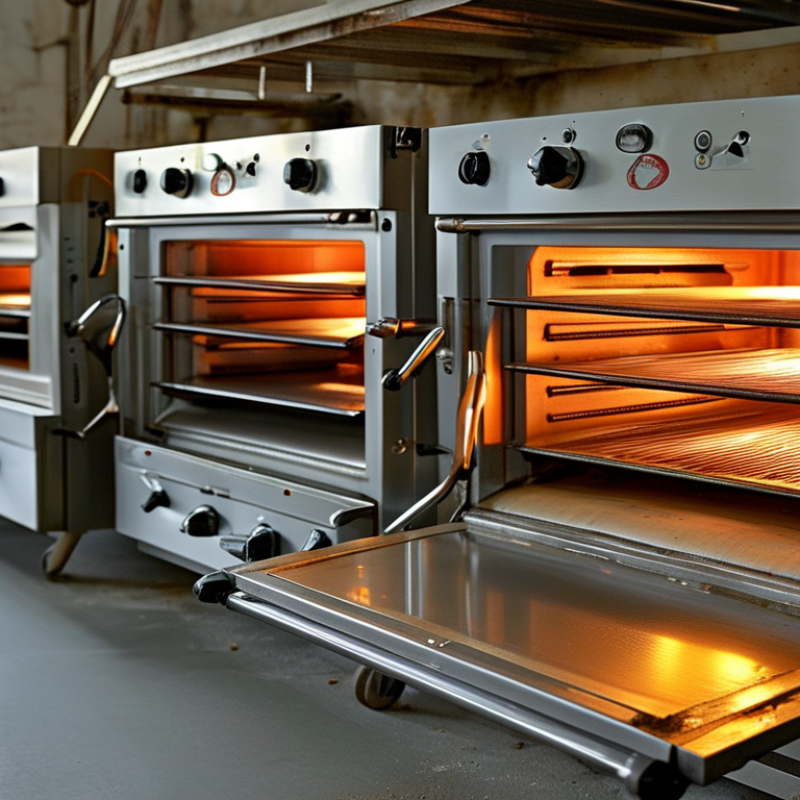
China has seen a surge in the adoption of thermal oil heated ovens, revolutionizing the baking industry. These ovens utilize thermal oil for efficient heat transfer, ensuring uniform heating across the baking surface. Recent reports indicate that thermal oil systems can improve energy efficiency by up to 30% compared to traditional heating methods. This efficiency is crucial for businesses looking to reduce costs and improve sustainability.
The key advantage of thermal oil heated ovens lies in their temperature control. Operators can achieve precise temperatures, allowing for consistent baking results. According to industry surveys, nearly 70% of bakeries report improved product quality after switching to these ovens. However, some challenges remain. Maintenance can be more complex than traditional ovens, and improper management can lead to oil degradation, impacting performance. Bakeries must invest time in training staff, ensuring optimal operation.
Despite these challenges, thermal oil heated ovens offer significant benefits. The technology is advancing rapidly, with manufacturers striving for better reliability and user-friendliness. In a competitive market, staying updated on innovations is essential for bakery owners. Making informed choices could lead to enhanced efficiency and profitability in the long run.
When it comes to baking solutions, thermal oil heated ovens offer unique benefits. These ovens provide a consistent heat distribution thanks to the thermal oil's high heat capacity. This means baked goods can cook evenly, reducing the chance of burnt edges and undercooked centers. Perfectly baked bread and pastries become more achievable with these ovens.
Key features of thermal oil heated ovens enhance their efficiency. They often include adjustable temperature controls, allowing users to fine-tune the heat for various baking needs. The construction quality also plays a role; durable materials can withstand high temperatures without wearing out quickly. On the downside, these ovens can be more expensive initially. It's essential for buyers to weigh long-term savings against upfront costs.
Energy efficiency is another significant advantage. These ovens maintain heat better than traditional methods. However, they may require specific maintenance routines to ensure longevity, which can be overlooked by busy bakeries. Understanding the operational intricacies is crucial for maximizing efficiency and reliability. This expertise empowers bakers to make informed choices for their culinary endeavors.
Thermal oil heating systems have gained traction in the baking industry due to their ability to maintain steady temperatures. According to a recent industry report, maintaining a consistent temperature is essential for achieving optimal baking results. This precision can enhance flavor profiles and texture, which are critical factors in customer satisfaction.
One major advantage of thermal oil is its high heat stability. Unlike traditional heating methods, thermal oil can withstand much higher temperatures without degradation. This results in less downtime for maintenance and increased production efficiency. In a comparative study, facilities using thermal oil systems reported a 20% increase in energy efficiency and a reduction in heating costs by approximately 15%.
Another aspect to consider is safety. Many thermal oil systems are designed with advanced safety features, minimizing the risk of overheating and fire hazards. However, the use of thermal oil does require careful monitoring and maintenance. Operators must be vigilant and ready to address any potential leaks or system failures. Continuous training and adherence to safety protocols are essential for successful operation.
Thermal oil heated ovens have gained traction in the food industry due to their efficient heat transfer capabilities. These ovens use thermal oil, which can reach high temperatures without the need for excessive energy input. A recent industry report highlighted that the thermal oil heating system can improve energy efficiency by up to 30% compared to conventional methods. This energy savings can significantly reduce operational costs in large-scale food processing.
Applications of thermal oil heated ovens extend beyond baking. They are valuable in drying, roasting, and cooking processes. In baking, these ovens ensure even heat distribution, which leads to consistent product quality. A study indicated that maintaining precise temperature control can enhance product texture and flavor. However, implementing such systems requires careful planning. Not every facility has the infrastructure to support these advanced heating systems.
While thermal oil ovens offer many benefits, they also present challenges. Regular maintenance is crucial to prevent breakdowns and inefficiencies. Additionally, the initial investment can be substantial. Companies must weigh these costs against the long-term benefits. Balancing efficiency, quality, and economics is key for any food processing business looking to adopt thermal oil heated ovens.
When comparing thermal oil heated ovens to traditional baking ovens, several key differences emerge. Thermal oil ovens offer uniform heating, which enhances baking consistency. A study by the Baking Industry Association suggests that these ovens can improve temperature retention by up to 30%. This efficiency can lead to better texture and flavor in baked goods.
In contrast, traditional ovens often rely on direct heating methods, which can create hot spots. This uneven baking often results in overcooked edges and undercooked centers. Additionally, thermal oil systems can operate at lower temperatures while maintaining high efficiency. The temperature stability reduces energy consumption, making it an eco-friendlier option.
However, these innovations come with a learning curve. Adjusting baking times and temperatures is necessary when switching to thermal oil ovens. Some bakers might find the transition challenging. Balancing efficiency and the artisan quality of baked products is not straightforward. This reflects the evolving landscape of baking technology and the necessity for continual adaptation.
: They are ovens that use thermal oil for consistent heat distribution during baking.
They reduce burnt edges and undercooked centers through uniform heating across products.
They maintain heat better than traditional ovens, potentially improving efficiency by up to 30%.
Yes, they need specific maintenance routines to ensure performance and longevity.
The initial cost can be high, but they may offer long-term savings on energy.
Yes, they are also valuable for drying, roasting, and cooking processes.
Adjusting baking times and temperatures can prove difficult during the transition.
Durable materials help withstand high temperatures, ensuring longevity and reliability.
Continual adaptation to new technology is essential for maintaining quality and efficiency.
They offer better temperature stability, reducing energy consumption and improving product quality.
The article explores the rising popularity of thermal oil-heated ovens in China, focusing on their efficiency and effectiveness in baking applications. It delves into the key features of these ovens, highlighting their ability to maintain consistent temperatures and uniform heat distribution, which are critical for achieving optimal baking results. The advantages of using thermal oil for heating purposes, such as energy efficiency and reduced cooking times, are emphasized, making these ovens an attractive option for food industry professionals.
Additionally, the article examines the various applications of thermal oil-heated ovens within the food sector, noting their versatility in baking different food products. A comparison with traditional baking ovens reveals that thermal oil-heated ovens provide superior performance, leading to enhanced product quality. Overall, the piece underscores the potential of thermal oil-heated ovens as an innovative solution for efficient baking in the food industry.
