
In recent years, the demand for a reliable "Vertical vacuum cleaning furnace" has surged among global buyers. This innovative equipment is crucial for various industries, including aerospace and electronics. Dr. Wang Li, a renowned expert in advanced manufacturing, emphasizes this transformation. He states, "The vertical vacuum cleaning furnace is revolutionizing how we approach precision cleaning in critical applications."
Manufacturers are keen on adopting this technology to enhance production efficiency. The vertical design offers space-saving benefits while improving cleaning effectiveness. However, there are challenges in achieving consistent quality control. Developing reliable processes can be difficult. Some users report varying results with different materials.
Investors are eager to tap into this growing market. As the industry evolves, establishing trusted suppliers becomes essential. A robust understanding of the "Vertical vacuum cleaning furnace" will help buyers make informed decisions. Ultimately, the push for innovation and efficiency will shape the future of this equipment.
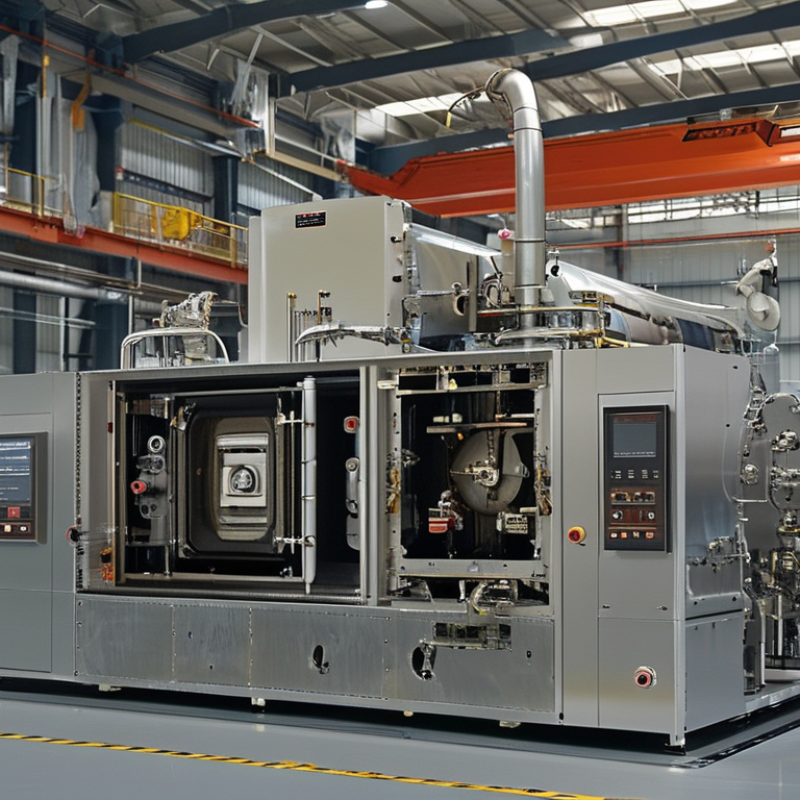
China leads in manufacturing vertical vacuum cleaning furnaces, a crucial technology in various industries. These furnaces efficiently process materials under vacuum conditions. Reports indicate that the global market for vacuum furnaces will reach $4 billion by 2025, highlighting the demand for innovative solutions.
Vertical vacuum cleaning furnaces are essential in industries like aerospace and automotive. They ensure high purity by removing contaminants during processing. According to a market analysis, around 30% of manufacturers are shifting to vacuum systems for improved product quality. However, challenges arise in terms of energy consumption and equipment maintenance. The need for skilled operators and technical support can also complicate adoption.
While China offers competitive technology, buyers must consider reliability and service quality. Understanding the operational intricacies is vital. Detailed knowledge of equipment specifications affects performance. Future trends indicate a focus on energy-efficient designs. This evolution aims to meet stringent environmental standards while enhancing production capabilities.
Vertical vacuum cleaning furnaces are increasingly popular among global manufacturers. They play a crucial role in various industries, including aerospace and automotive. These furnaces utilize a vacuum environment to solder and heat-treat materials without atmospheric contamination. Data from industry reports indicate that the market for such equipment has witnessed a growth rate of over 15% annually, underlining their rising importance.
Key features of these furnaces include precise temperature control and energy efficiency. Advanced models use programmable logic controllers (PLCs) for better accuracy. Moreover, the vacuum eliminates oxidation, which enhances the quality of the finished product. Reports suggest that these attributes lead to reduced scrap rates, with some studies showing a 20% improvement in yield for components treated this way. However, many manufacturers still face challenges in scaling production and optimizing energy consumption fully.
However, the adoption rate of vertical vacuum cleaning furnaces is not uniform. Some businesses express concerns about the initial investment and operational costs. Moreover, training personnel to operate these advanced systems effectively remains a hurdle. As the industry evolves, addressing these issues will be essential for maximizing the potential of vertical vacuum cleaning furnaces.
Vertical vacuum cleaning furnaces have become essential tools in various industries. These systems utilize high temperatures in a controlled vacuum environment. They are ideal for metal, ceramics, and composite materials. The clean environment helps in removing impurities. This process enhances the overall quality of the materials being treated.
Industries rely on these furnaces for multiple applications. Aerospace and automotive sectors benefit greatly. The precise control minimizes contamination during production. Medical devices also see improvements in performance and durability. However, it is crucial to ensure proper maintenance of these systems. Neglect can lead to inefficiencies and safety concerns that could disrupt operations.
Adopting vertical vacuum cleaning furnaces comes with challenges. The initial investment can be high. Additionally, skilled operators are necessary to maximize efficiency. Training programs are vital for staff involved in operation. Continuous improvement in technology should also be monitored. It's essential to adapt to changing industry standards and practices.
| Application | Industry | Furnace Capacity (kg) | Operating Temperature (°C) | Vacuum Level (mmHg) |
|---|---|---|---|---|
| Metal Cleaning | Manufacturing | 500 | 1200 | 0.1 |
| Glass Processing | Glass Industry | 300 | 1000 | 0.05 |
| Coating Removal | Automotive | 400 | 950 | 0.05 |
| Component Drying | Electronics | 200 | 800 | 0.1 |
| Degassing | Pharmaceuticals | 600 | 1100 | 0.02 |
The global vacuum cleaning furnace market is witnessing dynamic changes. China stands out as a major player, offering advanced technology and competitive pricing. However, challenges exist. Quality control remains a concern. Some Chinese manufacturers struggle to match the stringent standards required by international markets.
In contrast, other regions emphasize reliability and certifications. Buyers in Europe and North America prefer established brands. They value after-sales support and product durability. These buyers often prioritize long-term investments over initial savings. As the market evolves, a balance must be struck between cost and quality.
The need for innovation continues to grow. Chinese manufacturers must focus on research and development. They should enhance their reputation by addressing quality issues. Meanwhile, global buyers must critically assess their needs. They should consider not just the price, but the overall value of the furnace. The landscape is competitive, and both sides can learn from each other’s strengths and weaknesses.
China's vertical vacuum cleaning furnace technology is evolving rapidly. These furnaces play a crucial role in various industries. They are essential for processes that require precise temperature control and a vacuum environment. Manufacturers in China are investing heavily in research and development. This focus aims to enhance efficiency and performance.
Emerging trends indicate a shift towards automation in furnace operations. Smart technology allows for better monitoring and control. This transition not only improves productivity but also reduces energy consumption. Companies are adapting to environmental regulations as well. They aim to develop cleaner and safer solutions. Challenges remain, especially in terms of scalability and cost-effectiveness.
The demand for vertical vacuum cleaning furnaces is projected to rise. Industries such as aerospace and electronics are driving this growth. Buyers should consider the reliability of technology when sourcing. The landscape is competitive, and not all solutions are equal. Investing in advanced technology can lead to better outcomes. The future holds promise, but reflection on sustainability is essential.
: Industries like aerospace and automotive heavily rely on these furnaces for material treatment.
They provide a vacuum environment, preventing atmospheric contamination during heating.
By eliminating oxidation, they significantly improve the finished product's quality.
Many companies worry about the high initial investment and ongoing operational costs.
They often use programmable logic controllers for more precise temperature management.
Automation and smart technology are becoming prevalent, improving monitoring and lowering energy use.
They should evaluate both the costs and the overall value, including reliability and support.
Issues with scaling production and optimizing energy consumption are still common.
It is essential for improving efficiency and addressing quality control challenges.
There is potential for growth, but sustainability and efficiency concerns must be prioritized.
The article "China Top Vertical Vacuum Cleaning Furnace for Global Buyers?" provides a comprehensive overview of China's advancements in vertical vacuum cleaning furnace technology. It highlights the key features that make these furnaces competitive, such as efficiency, precision, and versatility. The discussion extends to various applications and industries, including electronics, metalworking, and aerospace, where these furnaces play a crucial role in heat treatment processes.
Furthermore, a comparative analysis between China and the global market reveals China's emerging position as a leader in vertical vacuum cleaning furnace manufacturing. The article concludes with insights into future trends, emphasizing ongoing innovations and the potential for increased international collaboration. Overall, vertical vacuum cleaning furnaces produced in China are poised to meet the growing demand in diverse sectors, reflecting the country's commitment to technological advancement in this field.
