
The global market for horizontal vacuum cleaning furnaces is expanding rapidly. These specialized devices offer efficient and reliable solutions for various industrial applications. A horizontal vacuum cleaning furnace works by utilizing a vacuum environment to prevent oxidation during high-temperature processing. This feature is crucial for achieving high-quality products.
Choosing the right horizontal vacuum cleaning furnace can be challenging. Various factors influence your decision, such as the furnace's capacity, energy efficiency, and overall performance. Many buyers often overlook important details. It is essential to consider the specific needs of your operation. Do you require high temperature capabilities? Are energy costs a concern?
Buyers must also evaluate manufacturers' expertise and reputation. A reliable manufacturer should have a history of producing quality furnaces. Even the best furnaces have limitations and require regular maintenance. Understanding these nuances will help users make informed choices and enhance operational efficiency. In this article, we will explore the top 10 horizontal vacuum cleaning furnaces available today. This guide aims to provide insights that can assist global buyers in making the best selection.
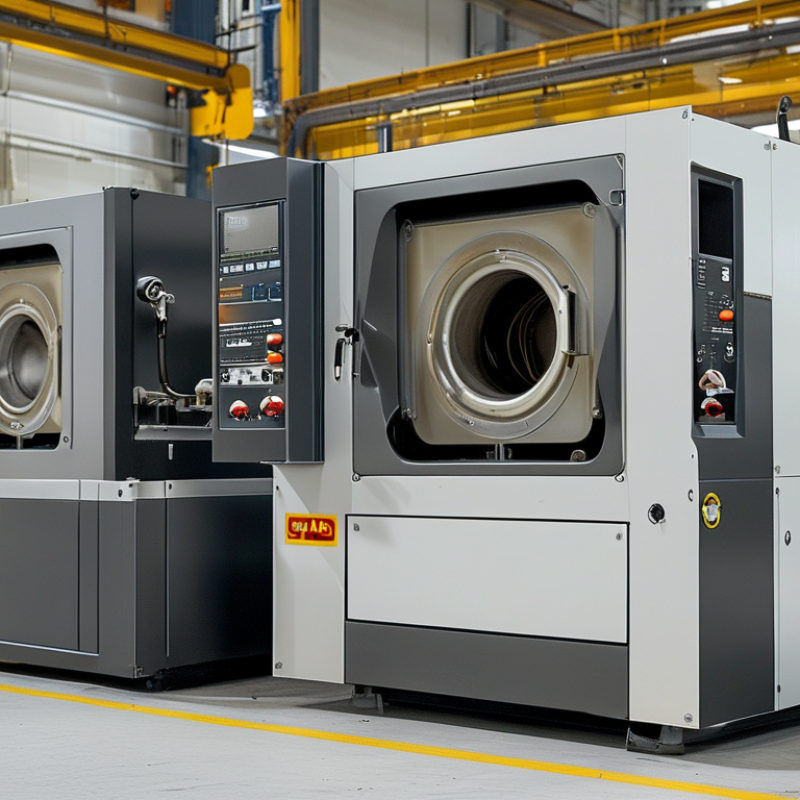
Horizontal vacuum cleaning furnaces serve various industries, particularly in metallurgy and ceramics. They provide an efficient solution for sintering, fusing, and even baking applications. Their design allows for even heating and improved material handling, ensuring consistent results.
These furnaces operate under vacuum conditions, which significantly reduces oxidation and contamination. This feature is critical for high-purity materials. Users often appreciate their energy efficiency and reduced processing times. However, using such furnaces requires careful attention to operational protocols to achieve optimal performance.
Still, challenges persist. Not every facility can accommodate these systems due to space constraints. Additionally, initial setup costs can be substantial. Operational training is essential, as improper use can lead to inefficiencies. Investing time in learning is necessary for long-term benefits. These factors should guide global buyers in their decision-making process.
When selecting a horizontal vacuum cleaning furnace, several key features should be considered. First, think about the furnace’s temperature range. A wider range allows for different materials and applications. Understanding the maximum temperature can help in selecting the right furnace for specific needs.
Another important aspect is the design and construction of the furnace. High-quality materials lead to better durability and efficiency. Look for models that offer solid insulation. This improves heating performance and reduces energy consumption. Nevertheless, it's crucial to assess if the furnace meets your production scale. Some units may be too small for larger operations, leading to potential bottlenecks.
Maintenance is an often overlooked factor. Regular upkeep can significantly extend the lifespan of the furnace. Users should consider how easy it is to access components for cleaning and service. A design that allows for straightforward maintenance can save time and costs in the long run. Reflecting on these aspects will help ensure you make the right choice for your furnace needs.
When selecting horizontal vacuum cleaning furnaces, global buyers must prioritize efficiency and performance. Industry reports indicate that the market for vacuum cleaning furnaces is projected to grow by 5.2% annually. This growth is fueled by increasing demand for high-purity materials in metallurgy and ceramics.
Factors to consider include temperature range and vacuum levels. High-quality furnaces typically operate at temperatures exceeding 1600°C. Furthermore, ideal pressure levels should fall below 10-3 torr to ensure optimal results. However, achieving such precise conditions can be challenging and may require additional investments.
New advancements in technology continue to emerge, improving energy consumption and reducing operational costs. Despite these innovations, some users report inconsistent results in specific applications. This inconsistency highlights the need for thorough testing and validation before finalizing a purchase. Each buyer should be aware of their unique requirements. Understanding the nuances between models can lead to better investment choices.
When evaluating horizontal vacuum cleaning furnaces, several factors come into play. Understanding each furnace's efficiency, durability, and ease of use is essential. Key performance indicators often include temperature consistency, energy consumption, and maintenance requirements. These aspects influence overall cost and long-term benefits.
In this comparative analysis, features such as vacuum capability and material compatibility become critical. Some furnaces excel in high-temperature resistance, while others might struggle under similar conditions. Users have reported difficulties with certain models regarding user interfaces. Many found them confusing or not intuitive enough. Making an informed decision requires attention to detail.
The market offers various options. Some products are known for their reliability and customer support. However, a handful of buyers noted occasional delays in service responses. Researching and reading reviews can clarify these concerns, enabling buyers to select a furnace that best suits their specific needs. Balancing cost and performance is crucial for a satisfactory investment.
Maintaining horizontal vacuum cleaning furnaces is essential for optimal performance. Regular inspections can help identify wear and tear. Check seals and gaskets for any cracks. A small leak can drastically impact efficiency. Keep an eye on electrical connections too. They can loosen over time.
Cleaning the furnace interior is crucial. Accumulated dust and debris can hinder operation. Use a soft brush or vacuum attachment to remove particles. Pay special attention to the heating elements. Their condition plays a significant role in overall performance.
Routine maintenance may seem tedious, but it’s vital. Overlooking even minor issues can lead to bigger problems. Schedule maintenance checks every few months. Documenting these inspections can help track performance trends. This will empower you to make informed decisions about repairs and replacements. A little diligence can go a long way.
: Consider the furnace’s temperature range and design. A wider range accommodates various materials.
High-quality materials enhance durability and efficiency. Solid insulation improves heating performance.
Regular maintenance can significantly extend a furnace's lifespan. Easy access for cleaning is crucial.
Many high-quality furnaces exceed temperatures of 1600°C. This is essential for specific applications.
Maintaining pressure levels below 10^-3 torr can be challenging. Additional investments may be required.
Inconsistent results in specific applications highlight the need for thorough testing and validation.
Evaluate efficiency, durability, ease of use, temperature consistency, and energy consumption.
Some users report confusing interfaces. This can complicate operation and maintenance.
Research and read reviews. Understanding model differences can lead to a more informed decision.
Balancing cost and performance is crucial for a satisfactory investment and meeting operational needs.
The article "Top 10 Horizontal Vacuum Cleaning Furnaces for Global Buyers" provides a comprehensive overview of horizontal vacuum cleaning furnaces, highlighting essential features to consider when making a selection. It emphasizes the importance of factors such as efficiency, temperature control, and ease of maintenance, which play a critical role in the effectiveness of these furnaces.
In the core section, the article presents a list of the top ten horizontal vacuum cleaning furnaces available on the market, along with a comparative analysis that aids buyers in understanding the strengths and weaknesses of each option. Additionally, it offers valuable maintenance tips to ensure optimal performance, reinforcing the need for regular upkeep to maximize the lifespan and efficiency of these critical industrial tools.
