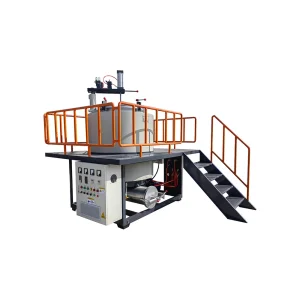
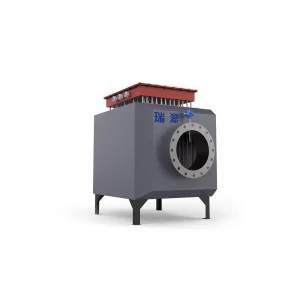
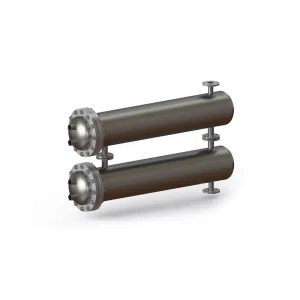
Product Description
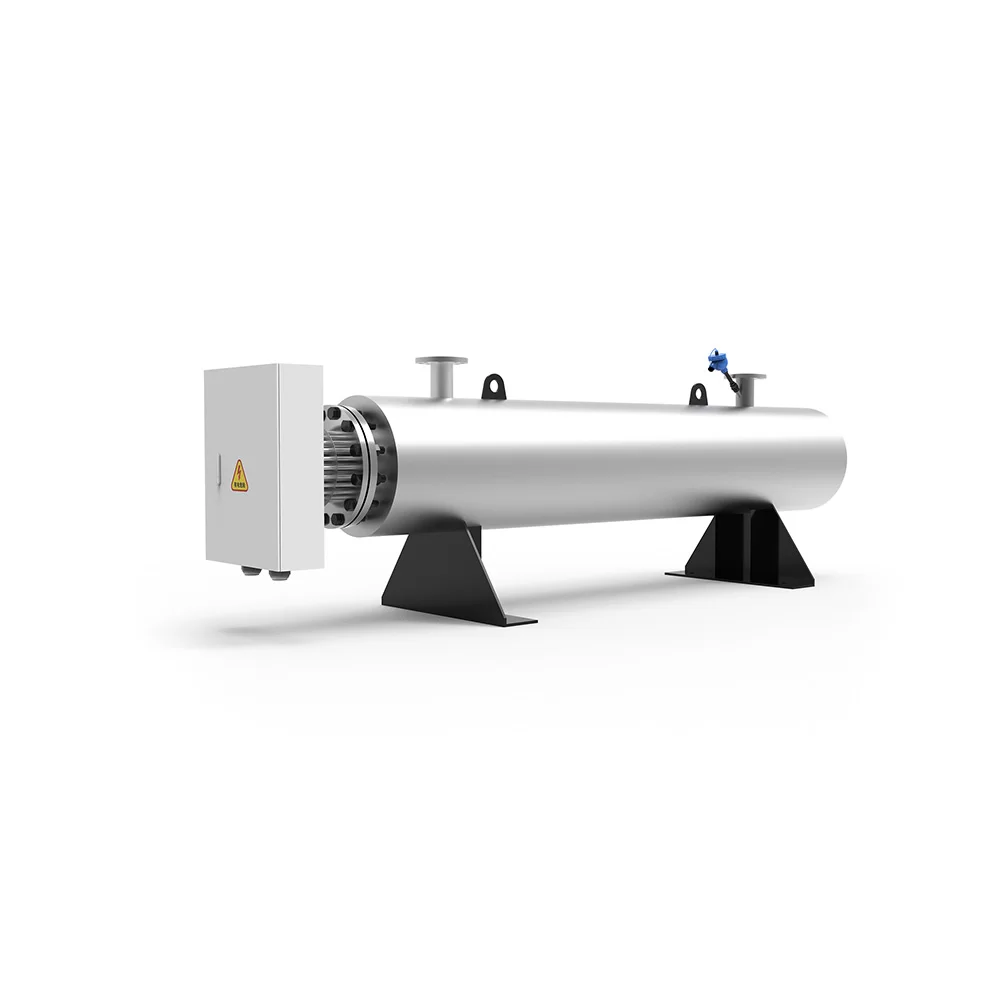
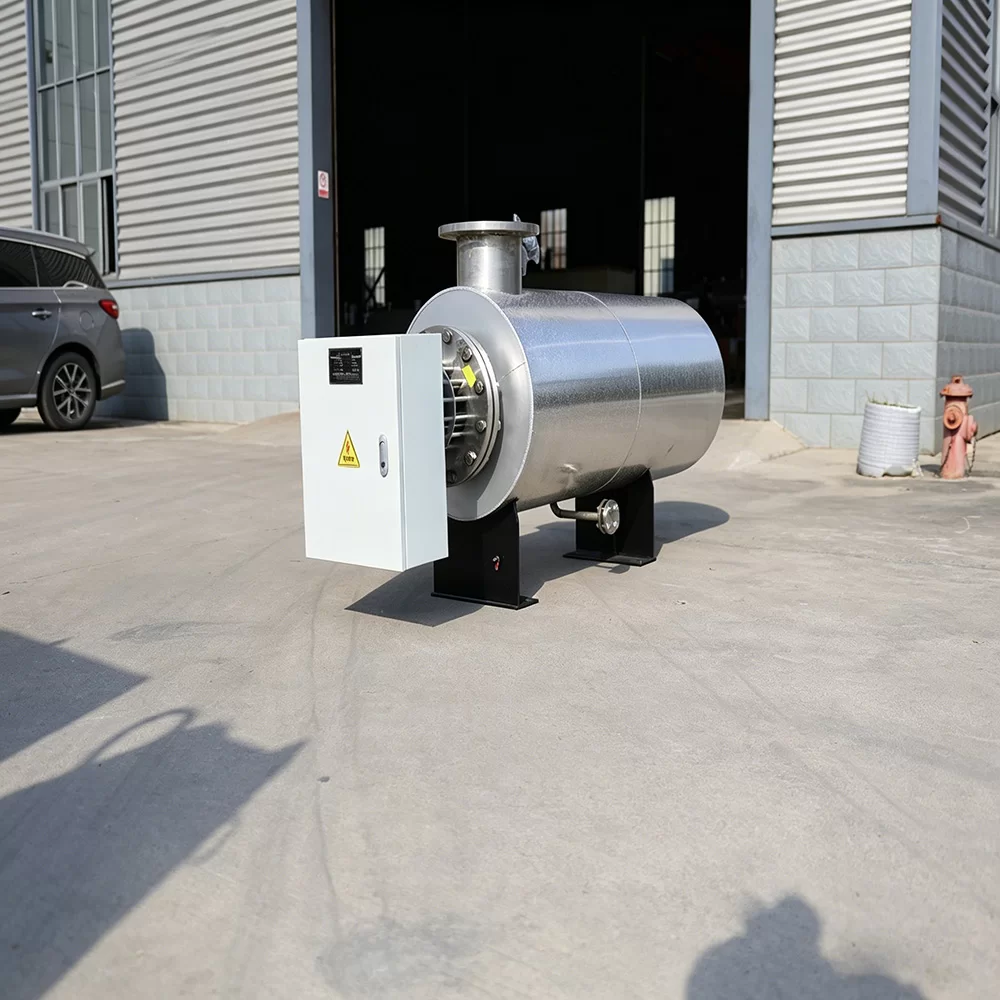
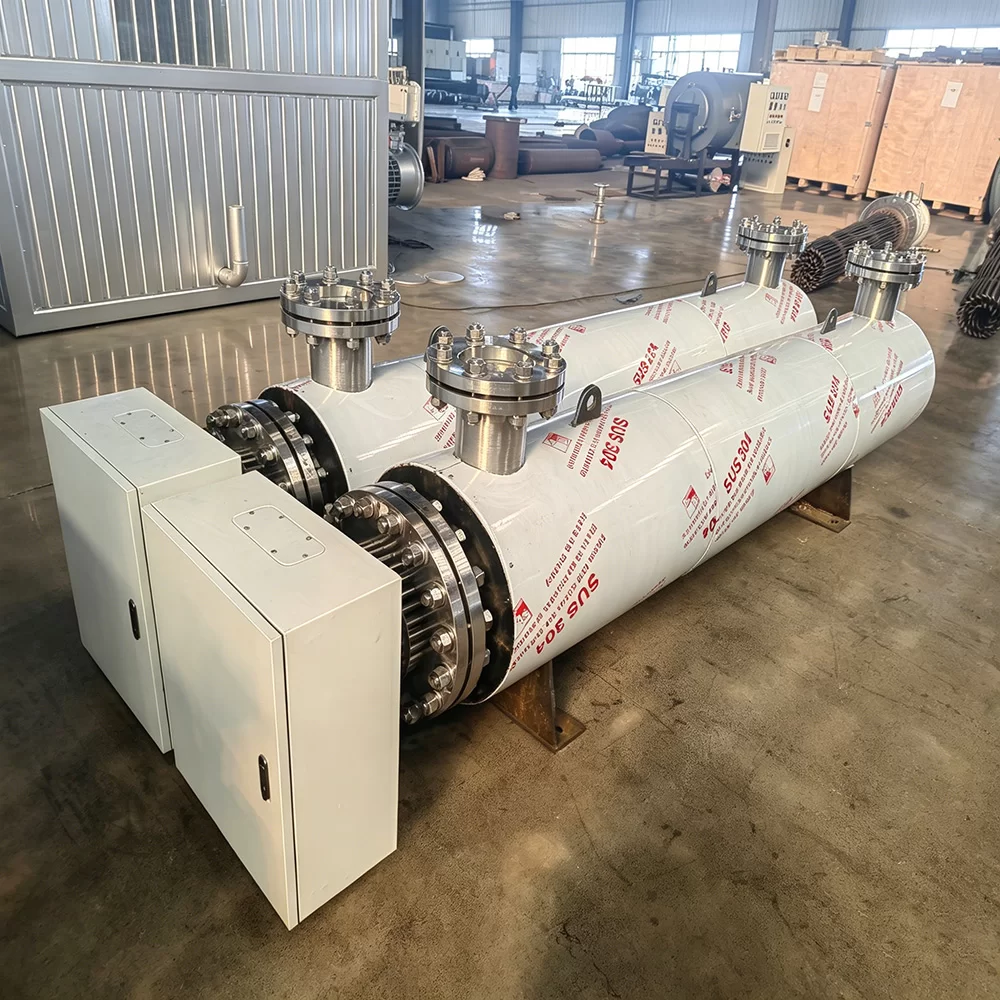
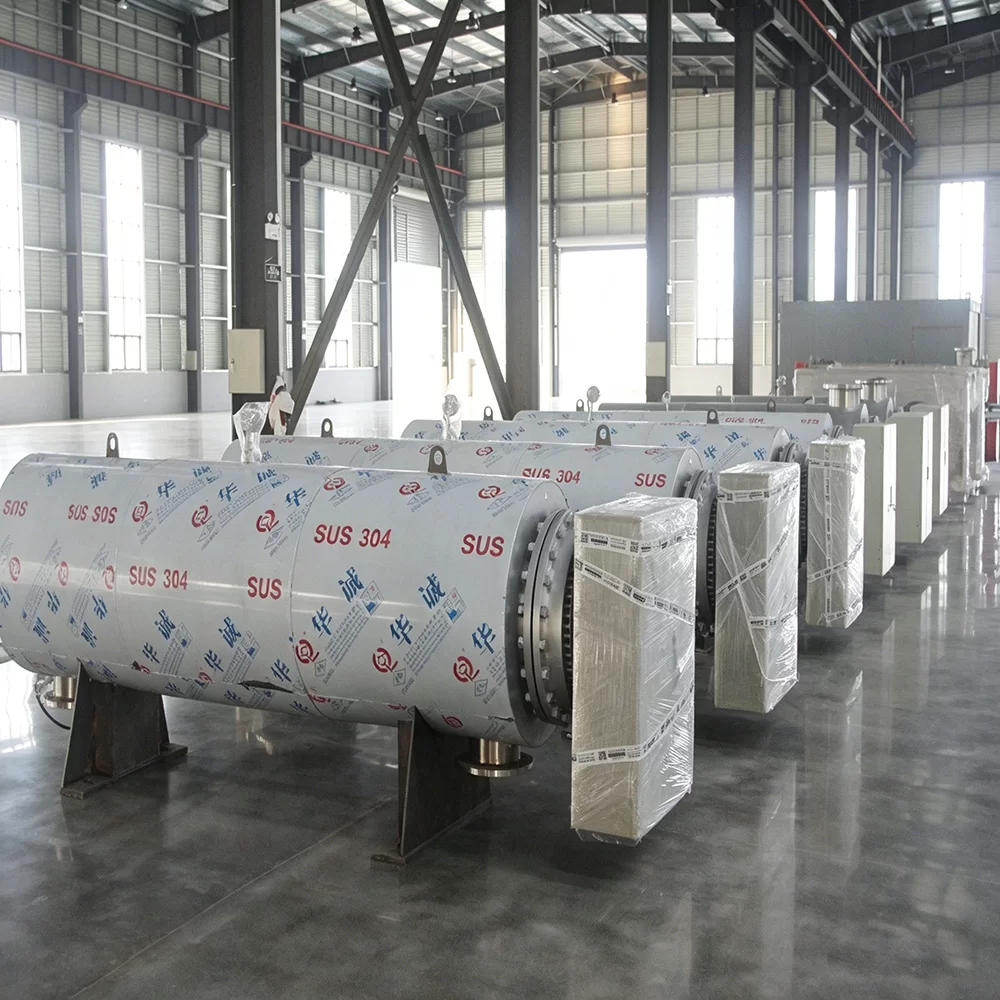
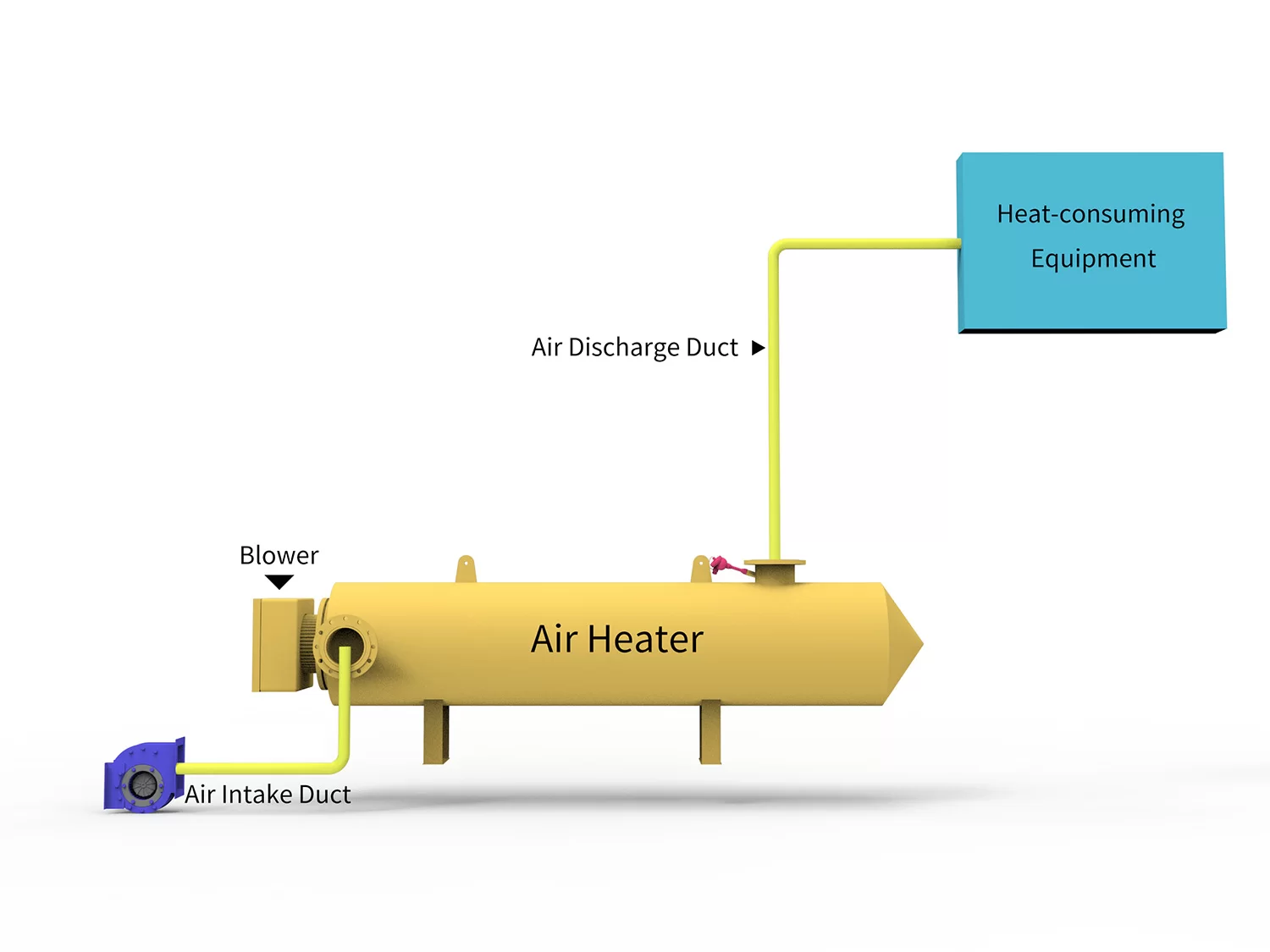
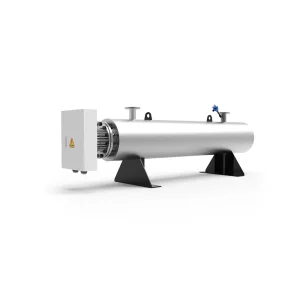
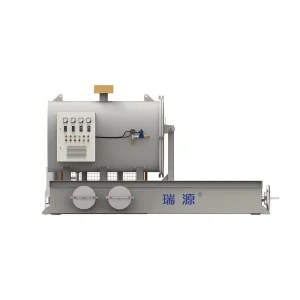
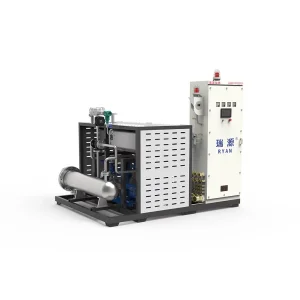
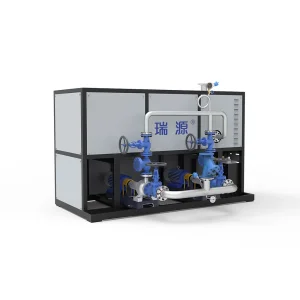
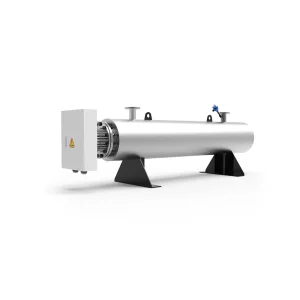
The Pipe Heater is an energy-saving pre-heating device designed for installation directly in the pipeline, immediately before the main processing equipment (such as burners, pumps, or storage tanks). It heats the fluid as it flows through the pipe, enabling high-temperature circulation and significantly reducing the energy required to maintain process temperatures. This design is particularly effective for high-viscosity fluids that become difficult to pump or burn at low temperatures.
Schematic Diagram
Construction & Design
The pipe heater consists of two main sub-assemblies: the heating body and the control system.
Heating Body
| Component |
Material / Specification |
| Protective Sheath |
Stainless steel tube (corrosion & oxidation resistant for fuel oil applications) |
| Resistance Wire |
High-temperature iron-chromium-aluminum (Fe-Cr-Al) or nickel-chromium (Ni-Cr) alloy |
| Insulation Filler |
Crystalline magnesium oxide (MgO) – compacted under high pressure for excellent dielectric strength and heat transfer |
Control System
| Component |
Function |
| Digital Temperature Controller |
PID or programmable logic controller with bright LED/LCD display – accepts thermocouple (K, J) or RTD (PT100) input |
| SCR Power Regulator |
High reverse-voltage thyristor (SCR) module adjusts heater power proportionally – eliminates mechanical contactor wear |
| Integrated Trigger Circuit |
Precision firing circuit for phase-angle or burst-firing control, ensuring smooth, step-less power adjustment |
| Over-Temperature Protection |
Independent high-limit safety cutout with manual reset prevents heater damage |
| Sensor Input |
Thermocouple or thermowell-mounted RTD installed at heater outlet or within the fluid stream |
Key Features
✔
Energy Saving
Installed directly before the point of use, the heater activates only when fluid flows. No energy wasted heating large storage tanks or stagnant volumes.
✔
Improved Fluid Flow
Reduces viscosity of heavy oil, asphalt, and fuel oil, allowing easier pumping and finer atomization (for combustion).
✔
Precise Temperature Control
The SCR + digital controller system maintains temperature within ±1–2°C of set point, even with varying flow rates.
✔
Reliable & Safe
Compacted MgO insulation provides excellent electrical isolation. Independent over-temperature safety cutout protects the heater and connected equipment.
✔
Long Service Life
Stainless steel sheaths resist corrosion and scaling from fuel oil byproducts. No moving parts in the heater body.
✔
Easy Integration
Threaded or flanged connections match standard pipelines. Compact footprint allows mounting directly on pipe supports or equipment frames.
Frequently Asked Questions
1. What is the primary function of a Pipe Heater?
It is an energy-saving device designed to pre-heat fluids directly within a pipeline before they reach processing equipment like pumps or burners, ensuring optimal viscosity and temperature.
2. Which fluids are best suited for this heating system?
It is particularly effective for high-viscosity fluids such as heavy oil, asphalt, and fuel oils that need to be thinned for efficient pumping and combustion.
3. How does the SCR control system benefit the operation?
The SCR (Silicon Controlled Rectifier) allows for precise, step-less power adjustment, maintaining a stable temperature within ±1-2°C without the mechanical wear associated with traditional contactors.
4. What materials are used to ensure durability?
The heater uses stainless steel sheaths for corrosion resistance, high-grade resistance wires (Fe-Cr-Al or Ni-Cr), and high-pressure compacted magnesium oxide for superior insulation.
5. Is the Pipe Heater safe for continuous industrial use?
Yes, it includes independent over-temperature protection with a manual reset and high-quality dielectric insulation to ensure safe and reliable long-term performance.
6. Can this heater be easily installed in existing systems?
Absolutely. With its compact footprint and standard threaded or flanged connections, it can be mounted directly onto existing pipe supports or equipment frames.