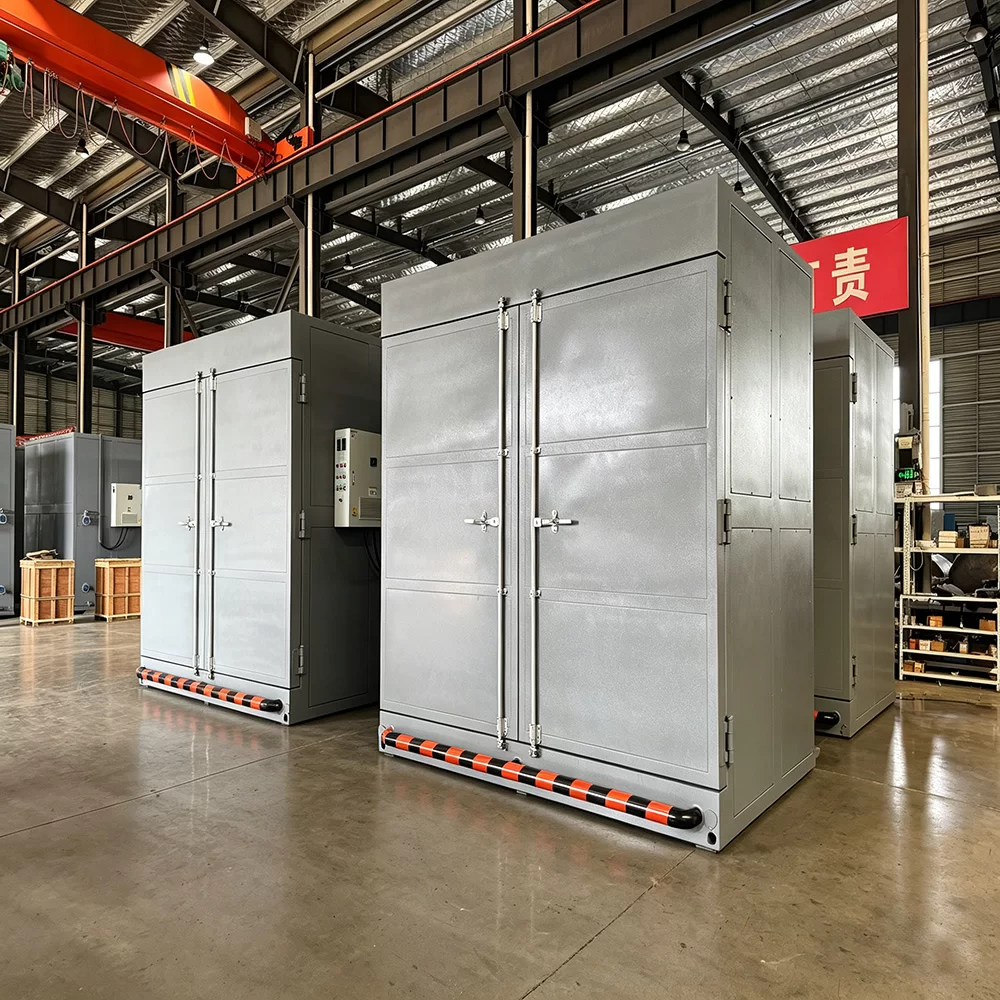
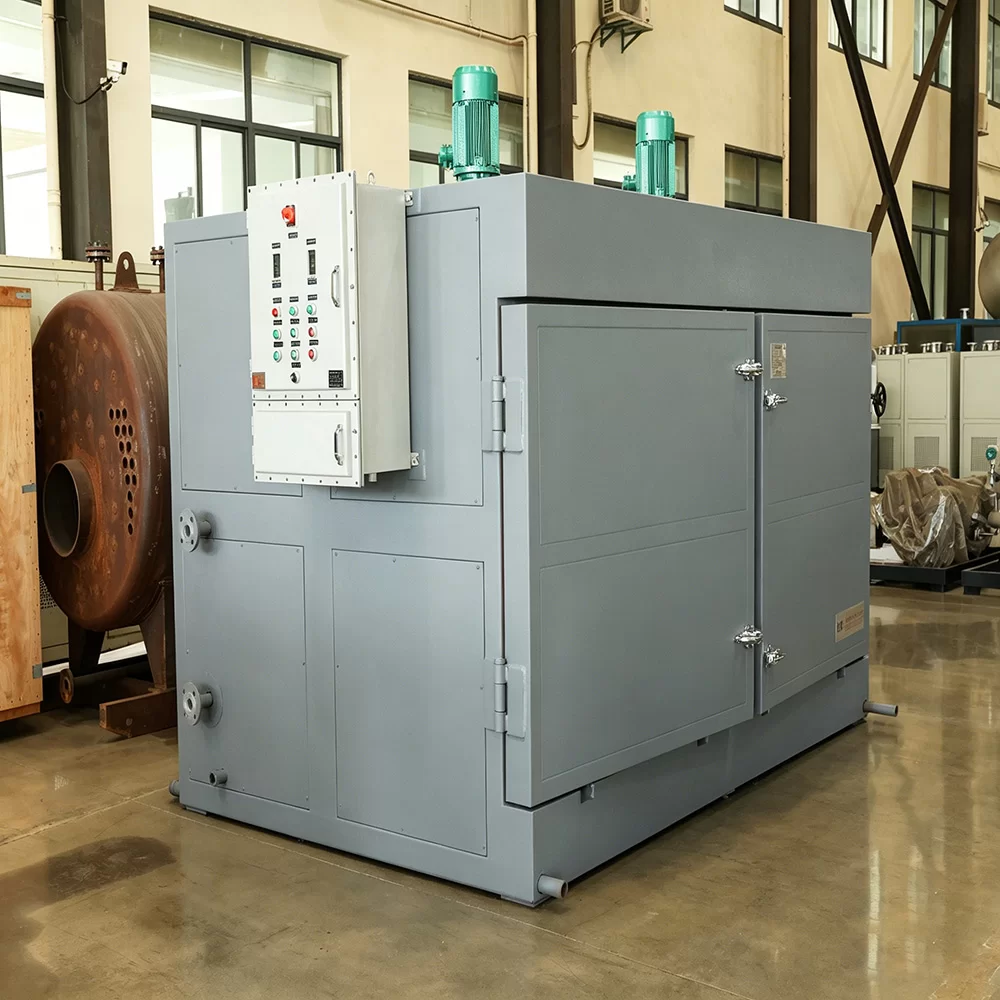
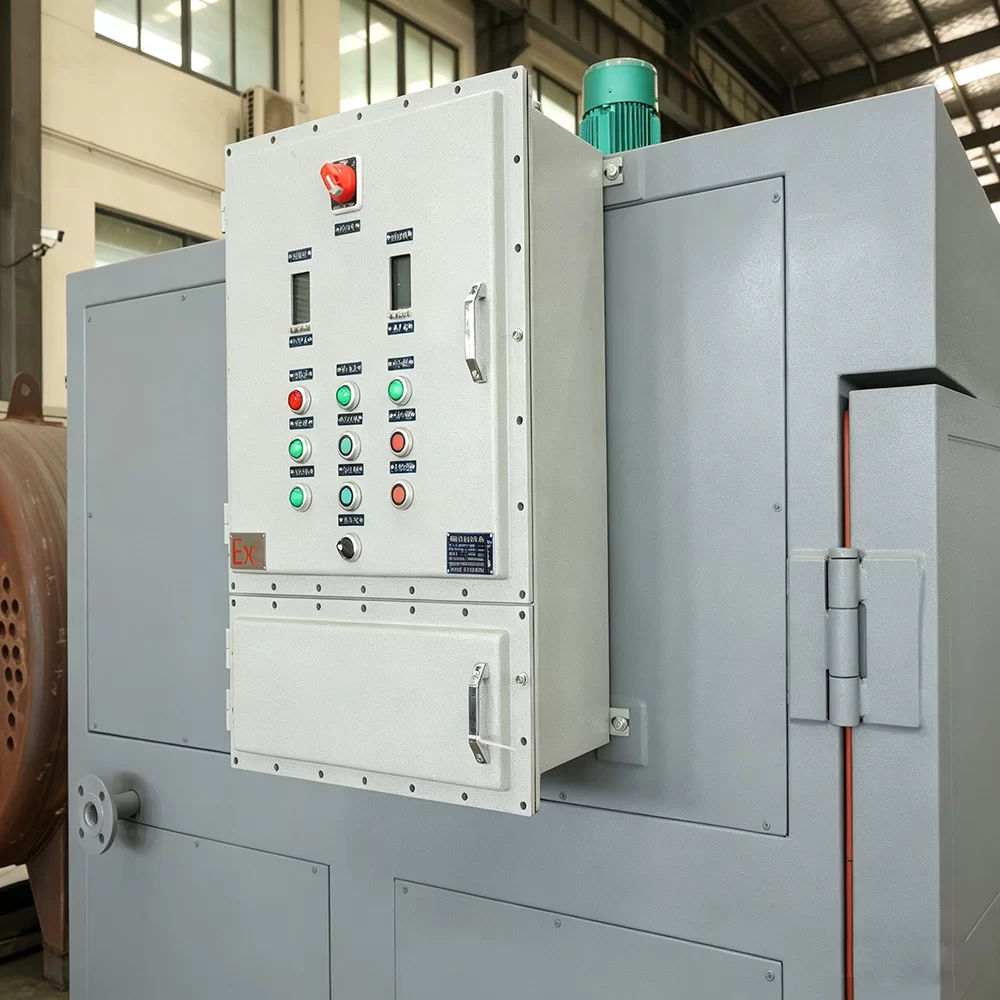

RYAN Thermal Oil-Heated Oven – Electric or Fuel-Fired Heat Source

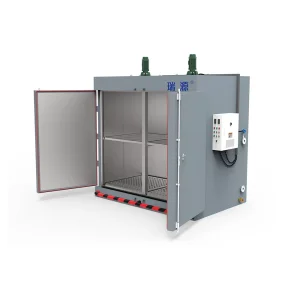
The Thermal Oil-Heated Oven is an industrial drying and curing system that utilizes circulating thermal oil as the heat transfer medium. Powered by either electric heating or fuel-fired (coal, gas, oil) heat sources, it delivers uniform, stable high temperatures for demanding production environments.

Product Description

Product Description

The Thermal Oil-Heated Oven is an industrial heating system that uses circulating thermal oil as the heat transfer medium. Unlike direct electric resistance ovens or steam-heated ovens, this design separates the heat source from the oven chamber – allowing greater flexibility in fuel choice, improved safety for volatile applications, and the ability to serve multiple ovens from a single heat source.

System Components

Component Function
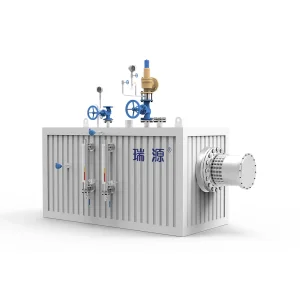
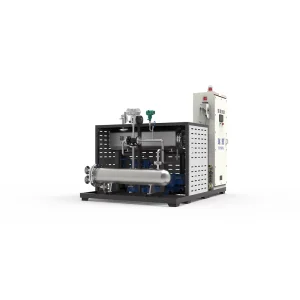
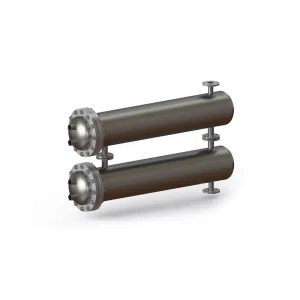
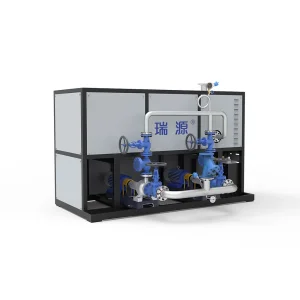
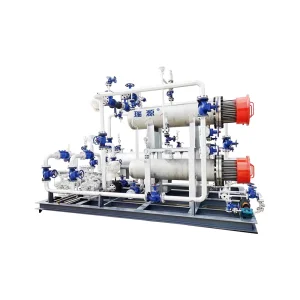
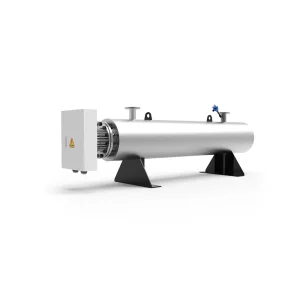
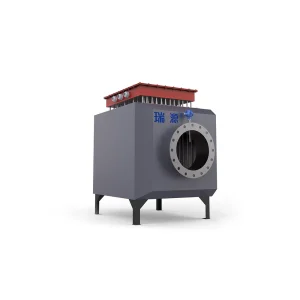
Heater Box (Thermal Oil Heater) Contains the heat source (electric heating elements or fuel-fired burner) and a thermal oil tank. Raises the temperature of the circulating oil to the required set point.
Circulating Oil Pump High-temperature pump that continuously moves hot oil from the heater box to the oven’s internal heat exchanger and back.
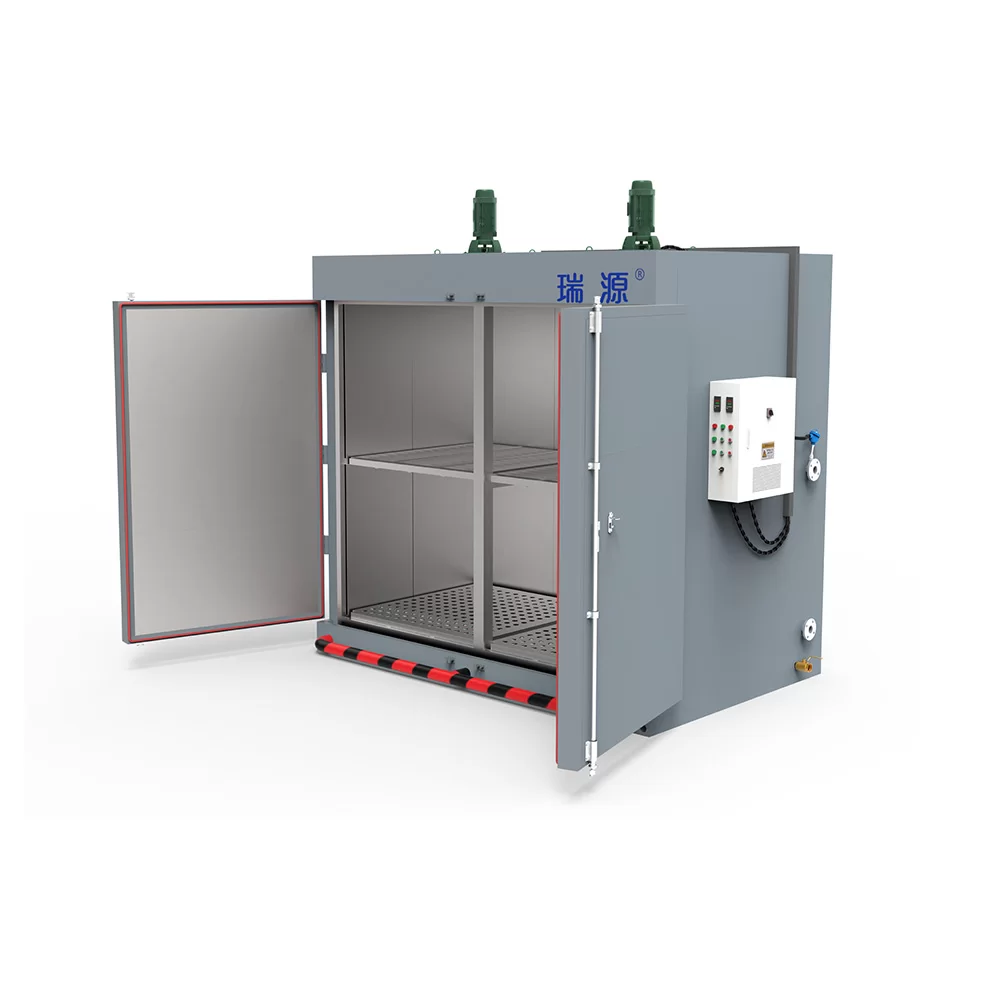
Oven Chamber with Heat Exchanger Insulated enclosure with a finned tube heat exchanger inside. Hot oil passes through the exchanger, heating the air that is circulated throughout the chamber by a forced air fan.

How It Works

1
Thermal oil in the heater box is heated to the desired temperature using either electric heating elements or a fuel-fired burner (coal, natural gas, diesel, or heavy oil).
2
The circulating oil pump draws hot oil from the heater box and delivers it to the heat exchanger located inside the oven chamber.
3
As the hot oil passes through the heat exchanger tubes and fins, it transfers thermal energy to the air surrounding the exchanger.
4
A forced circulation fan blows air across the heat exchanger fins and throughout the oven chamber, ensuring uniform temperature distribution.
5
After releasing its heat, the cooled oil returns to the heater box via the return line, where it is reheated and the cycle repeats.

Key Features

Uniform Temperature The thermal oil circulation system combined with forced air flow eliminates cold spots and ensures consistent product results across the entire chamber.
Precise Control Digital PID controller maintains oil temperature within tight tolerances (±1-2°C), with the oven chamber achieving ±2-5°C uniformity.
Energy Efficient When operated continuously, fuel-fired thermal oil systems can be significantly more economical than electric resistance heating for large-scale operations.
Indirect Heating Safety No electric heating elements or open flames inside the oven – ideal for drying solvents or materials that produce flammable vapors.
Flexible Fuel Choice Select the heat source that matches local fuel prices: electric, natural gas, diesel, heavy oil, or coal.
Multiple Oven Capacity A single thermal oil heater can supply hot oil to two, three, or more separate ovens, reducing equipment costs.

Robust Construction: Oven chamber fabricated from heavy-gauge steel with high-density insulation. Internal heat exchanger made from stainless steel or carbon steel depending on process requirements.
Frequently Asked Questions

Q1: What are the primary benefits of using thermal oil over steam heating?
A: Thermal oil systems operate at high temperatures with very low pressure compared to steam, which improves safety and reduces the need for high-pressure vessel certifications.
Q2: Can I use different types of fuel for the same heater?
A: The heater box is designed for specific burner types (gas, oil, or electric), but you can choose the configuration that best suits your local energy costs at the time of order.
Q3: How many ovens can a single thermal oil heater support?
A: Depending on the heater's capacity and the flow rate, a single unit can efficiently supply heat to multiple oven chambers or multi-zone facilities.
Q4: Is this system suitable for drying materials with flammable solvents?
A: Yes. Because the heat source (flame or electric element) is located outside the oven in a separate heater box, it is much safer for processing volatile materials.
Q5: What is the typical temperature uniformity of the oven chamber?
A: While the oil itself is controlled within ±1-2°C, the oven chamber typically achieves a uniformity of ±2-5°C, depending on the airflow design and chamber size.
Q6: What maintenance is required for the thermal oil system?
A: Regular maintenance includes checking the circulating pump, inspecting the oil level, and periodically testing the thermal oil quality to ensure optimal heat transfer efficiency.

Related Products