1 / 4

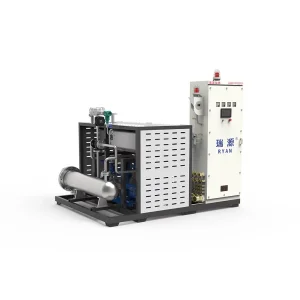
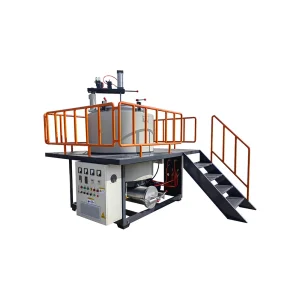
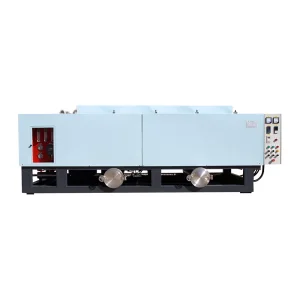
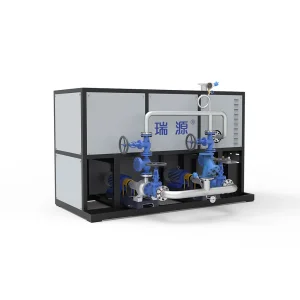
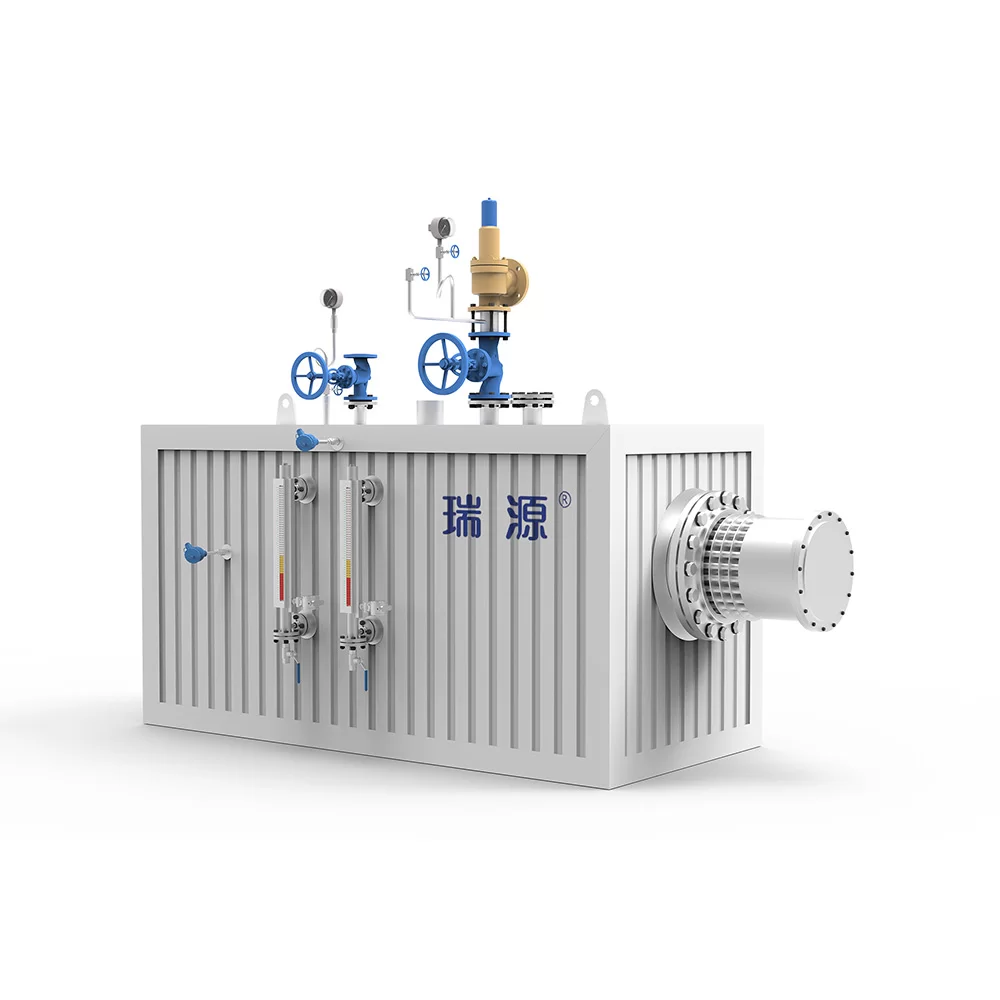
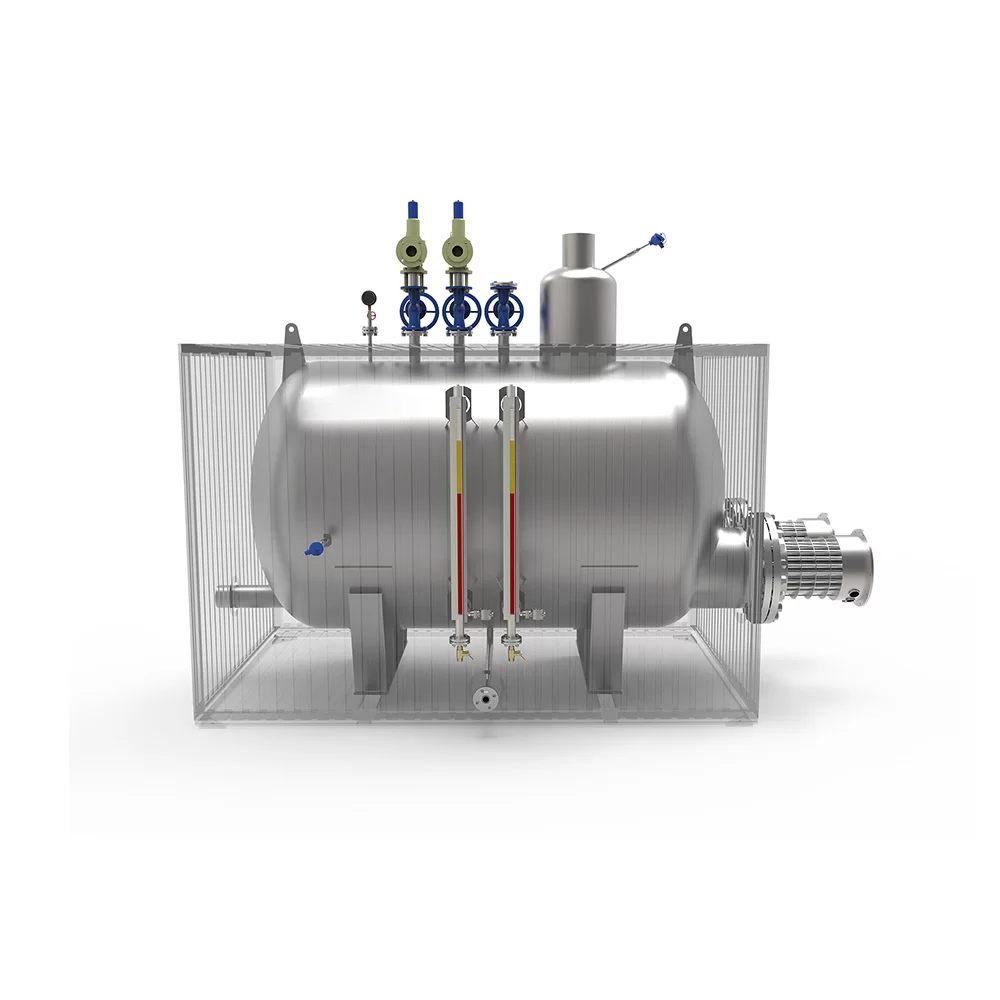
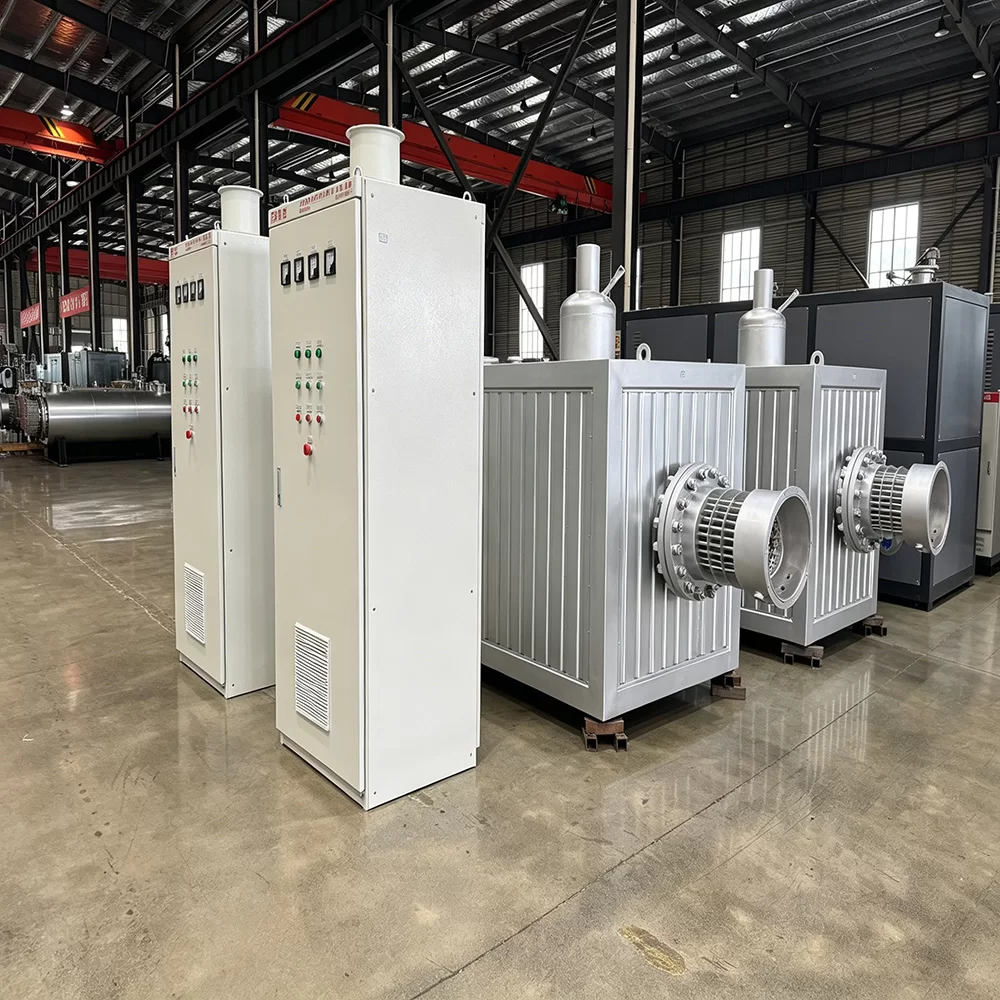
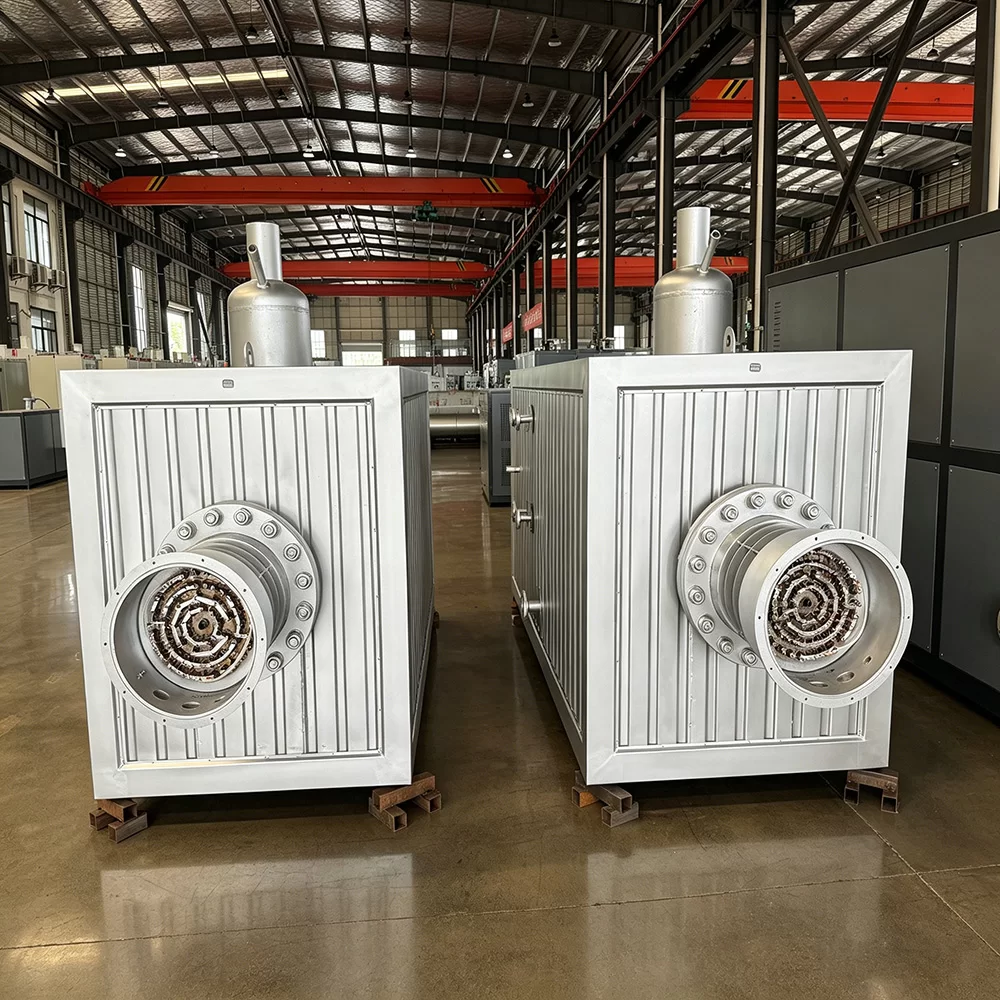
The Biphenyl Steam Generator is a high-performance industrial vaporization system specifically engineered to convert liquid biphenyl (diphenyl) into high-temperature steam. Designed for the rigorous demands of synthetic fiber production, this system serves as a critical heat transfer medium, ensuring that textile spinning processes receive consistent, high-grade thermal energy to maintain polymer fluidity and product quality.
By integrating an optimized heat exchanger configuration, the generator overcomes the inherent inefficiencies of traditional electric heating and standard coil designs. It facilitates a seamless closed-loop circuit where thermal oil transfers energy to biphenyl, creating a stable vapor phase that provides unmatched temperature uniformity and operational safety for high-precision industrial environments.
| Standard Boiling Point | 257°C | Pressure-Adjusted Boiling Point | Approx. 280°C (at 0.19 MPa) |
|---|---|---|---|
| Heat Transfer Medium | Biphenyl (Diphenyl/Phenyl Benzene) | Energy Source | Thermal Oil (Electric or Fuel-fired) |
| System Configuration | Closed-loop Circulation | Heat Exchanger Type | Optimized Extended Flow Path |
| Primary Application | Textile Synthetic Fiber Spinning | Core Function | Liquid to Vapor Phase Conversion |
| Thermal Stability | Excellent High-Temperature Stability | Operational Focus | Precise Temperature Control |
Engineered for high-pressure stability, reducing risks associated with biphenyl vaporization.
Extended heat exchange paths increase residence time, ensuring complete vaporization.
Eliminates cold spots, providing uniform steam distribution for consistent fiber quality.
Allows for exacting temperature adjustments, crucial for sensitive polymer systems.
Automated condensate return reduces medium loss and lowers long-term operational costs.
Compatible with various thermal oil heaters and diverse synthetic fiber production lines.
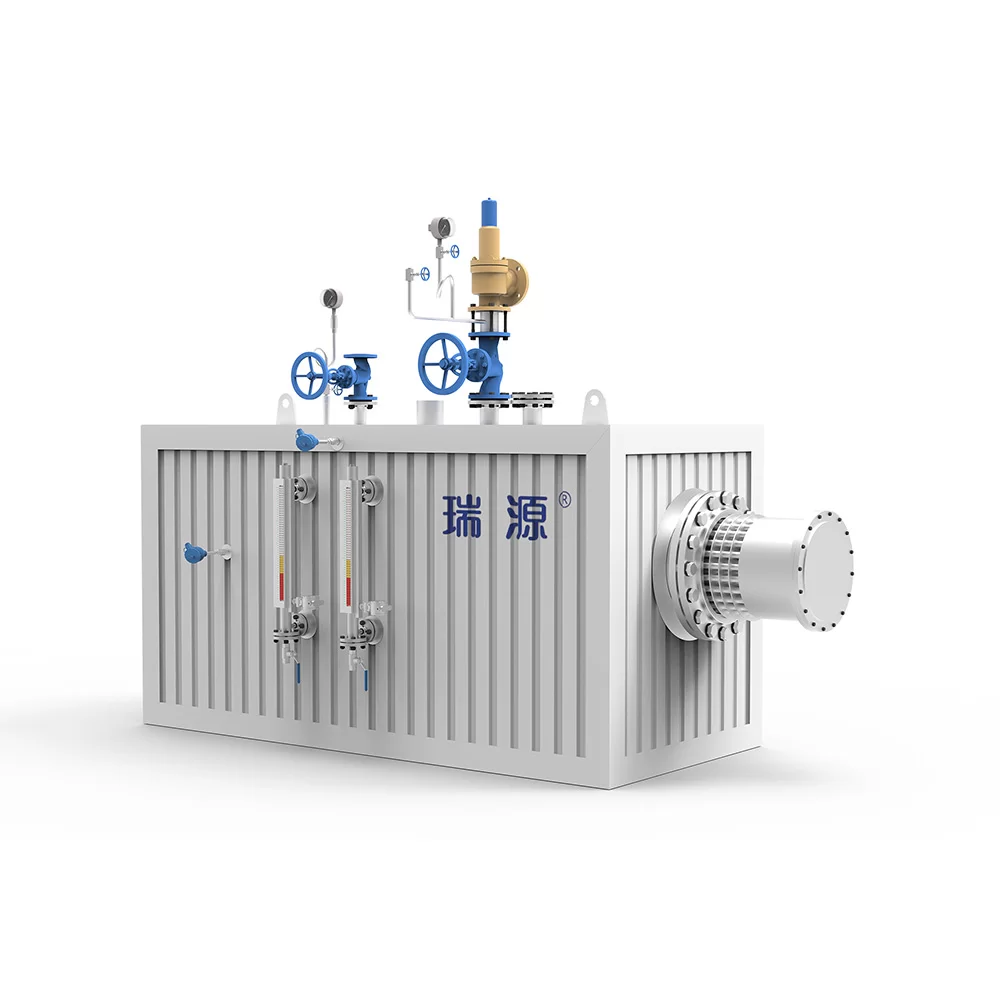
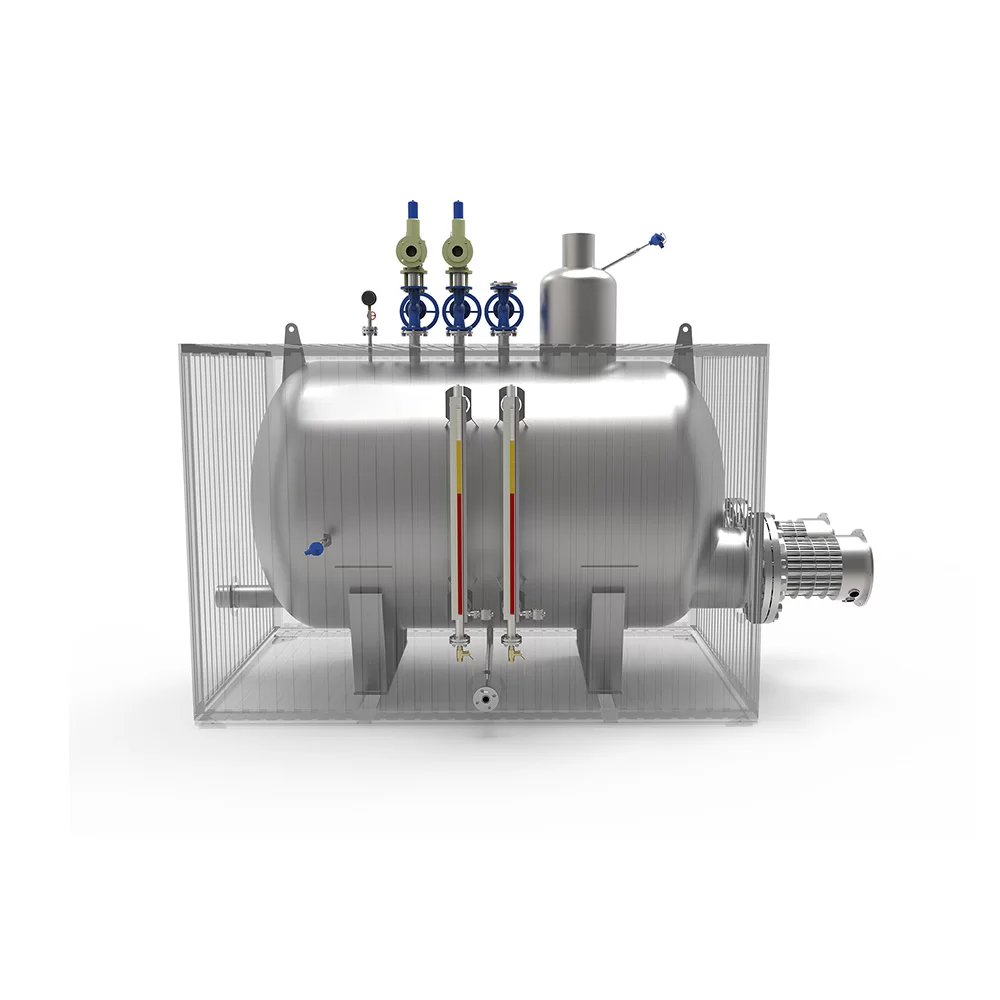
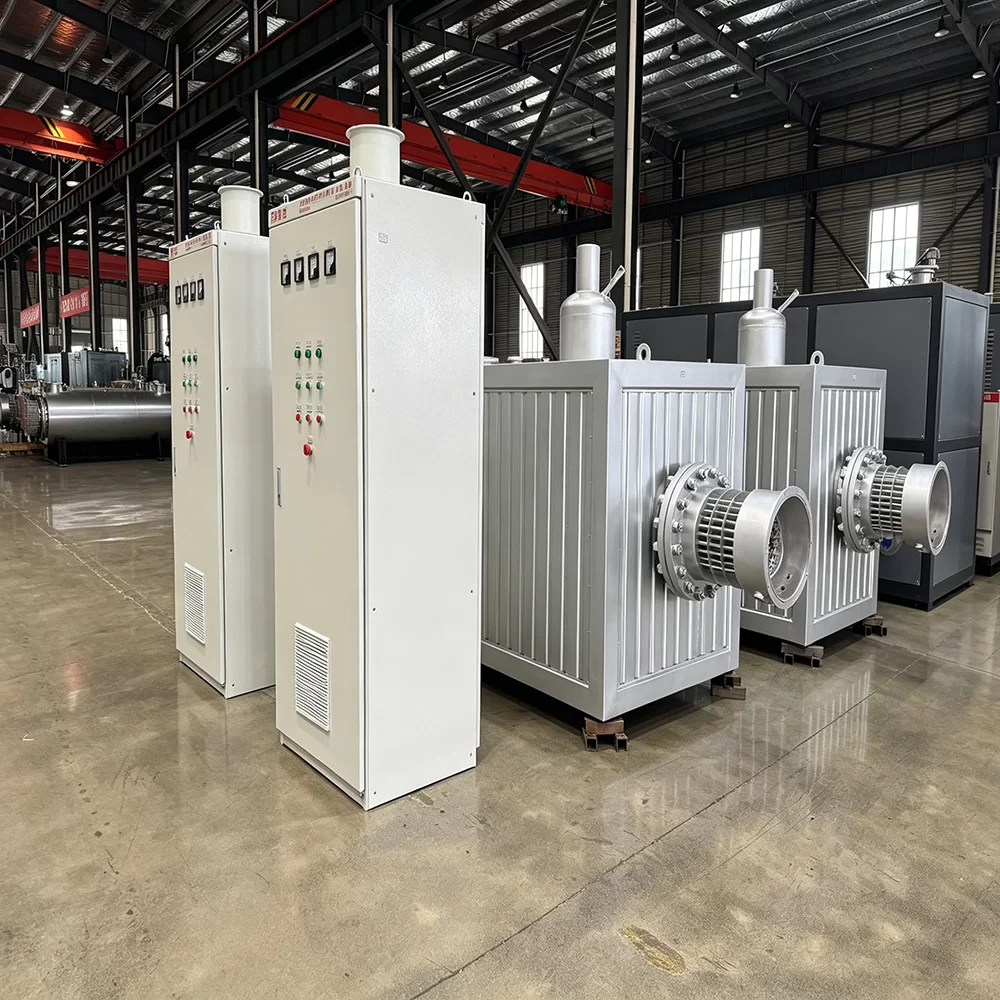
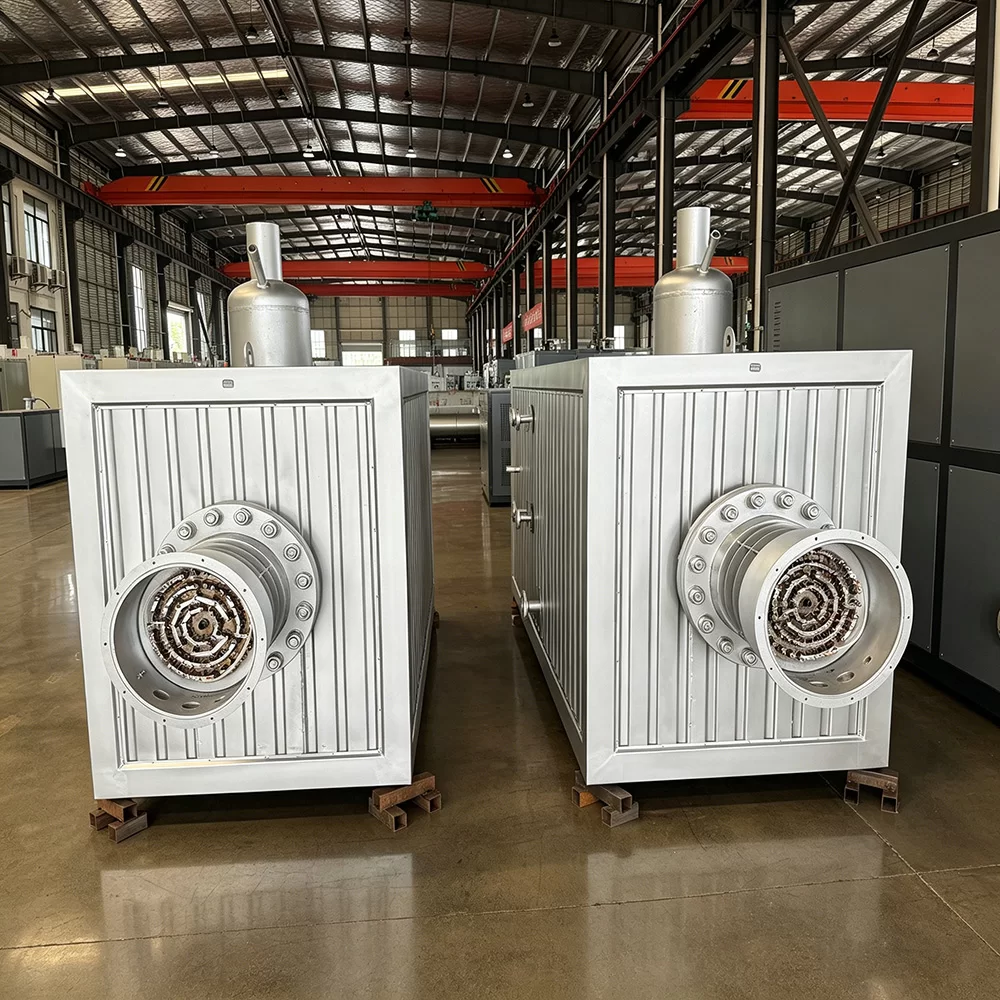
Perfect coordination between the oil heater and the generator for steady heat flux.
Advanced engineered flow paths to maximize the heat transfer coefficient.
Real-time pressure and temperature alerts to prevent operational overheating.
Precision valves ensure the exact amount of biphenyl steam reaches the spinning jackets.
Efficient return system that recaptures liquid biphenyl for re-vaporization.
High-grade alloy construction to resist thermal fatigue and chemical corrosion.
| Comparison Metric | Standard Electric Heating | Biphenyl Steam System |
|---|---|---|
| Heating Uniformity | Low (Hot-spots common) | High (Uniform Distribution) |
| Energy Efficiency | Moderate | High (Optimized Exchanger) |
| Temperature Control | Slow Response | Rapid & Precise |
| Medium Waste | High Leakage Risk | Low (Closed-Loop Circuit) |
| Operational Lifespan | Medium | Long (Thermal Stability) |