1 / 4

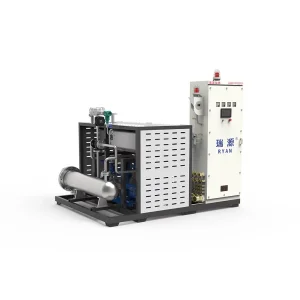
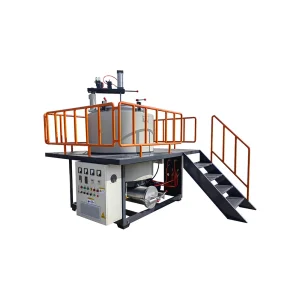
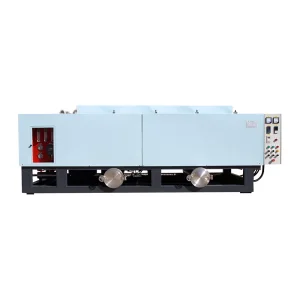
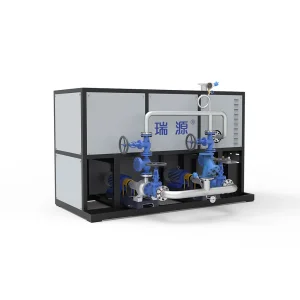
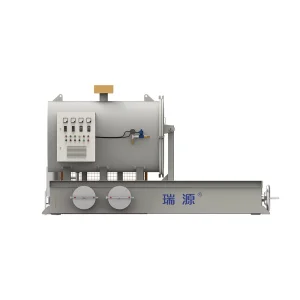
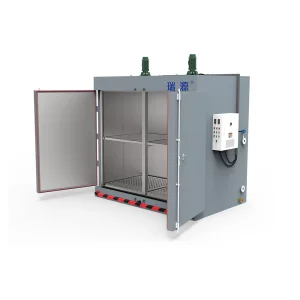
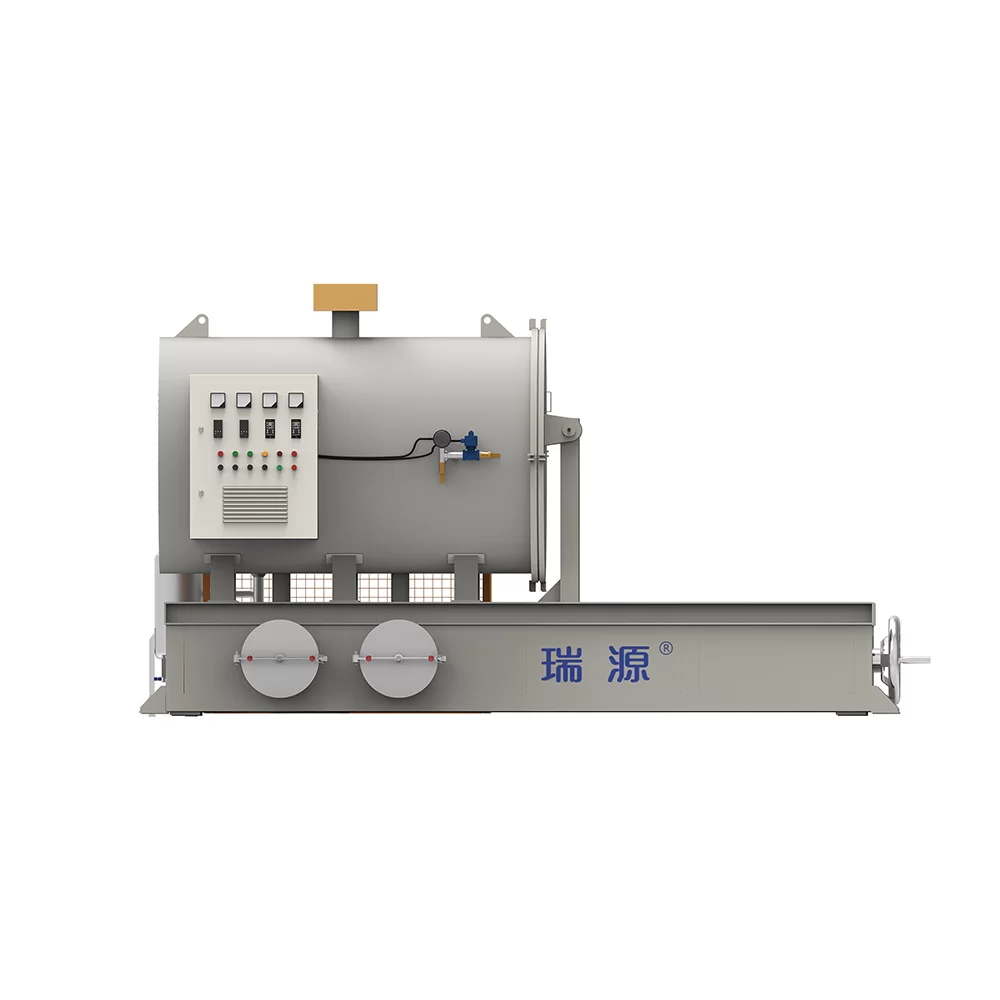
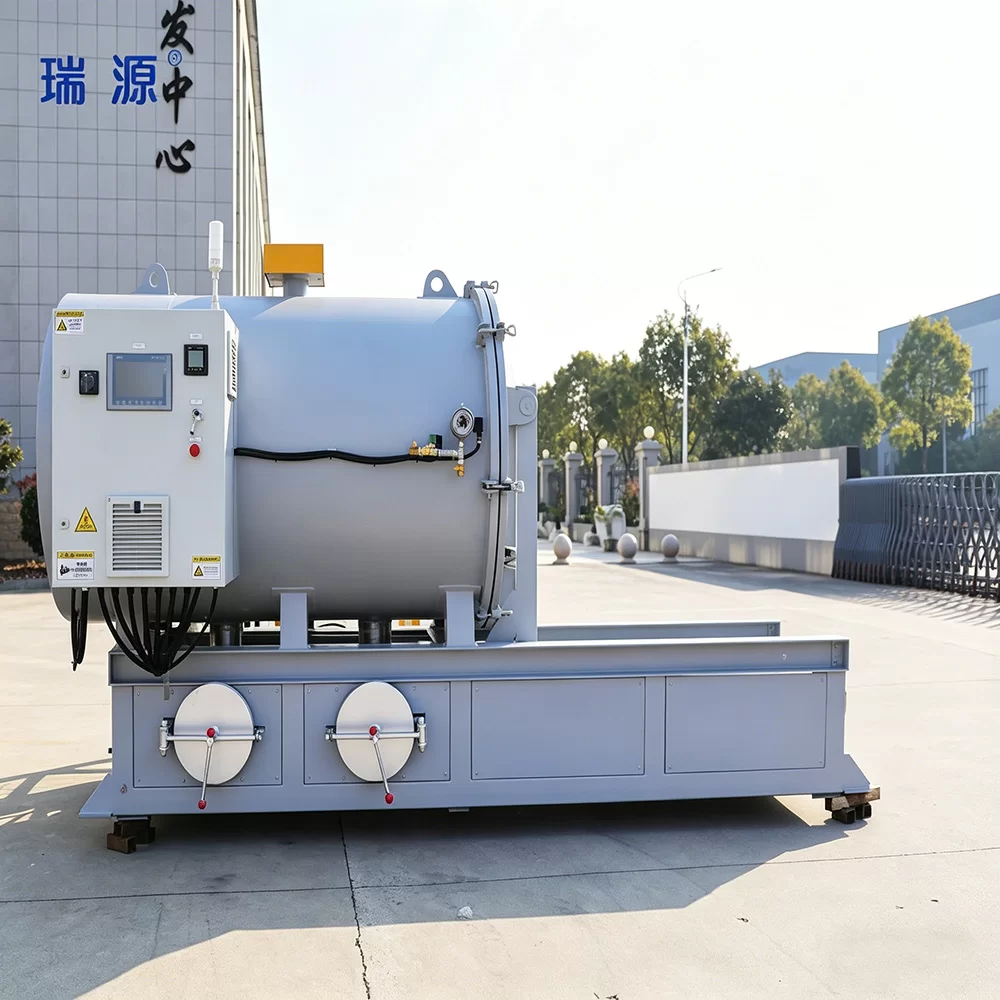
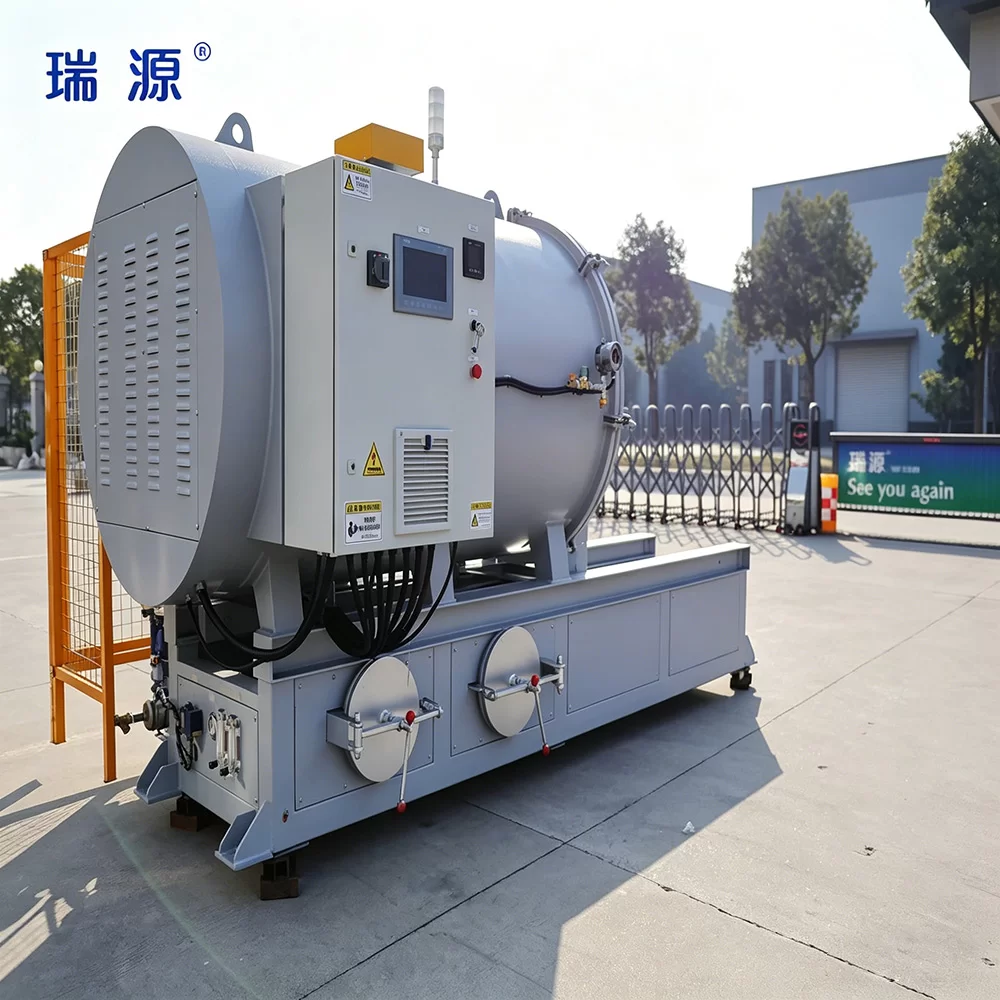
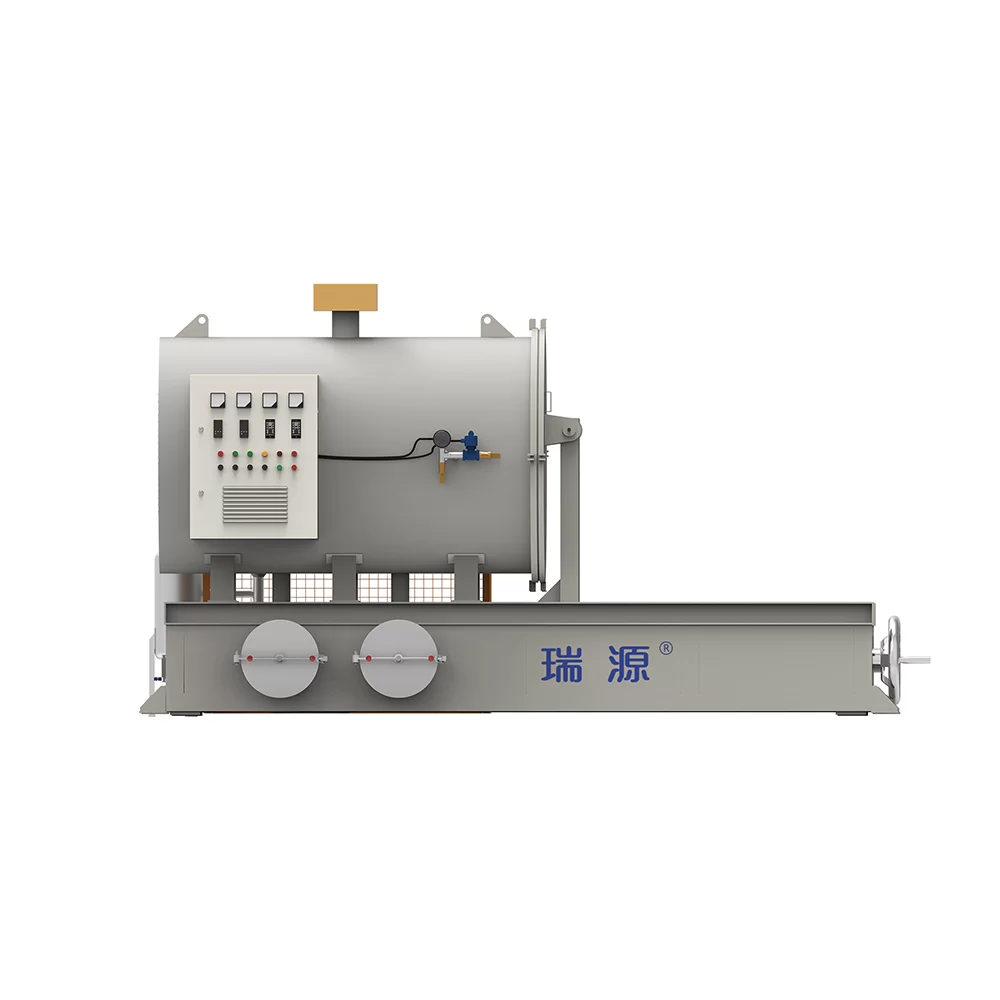
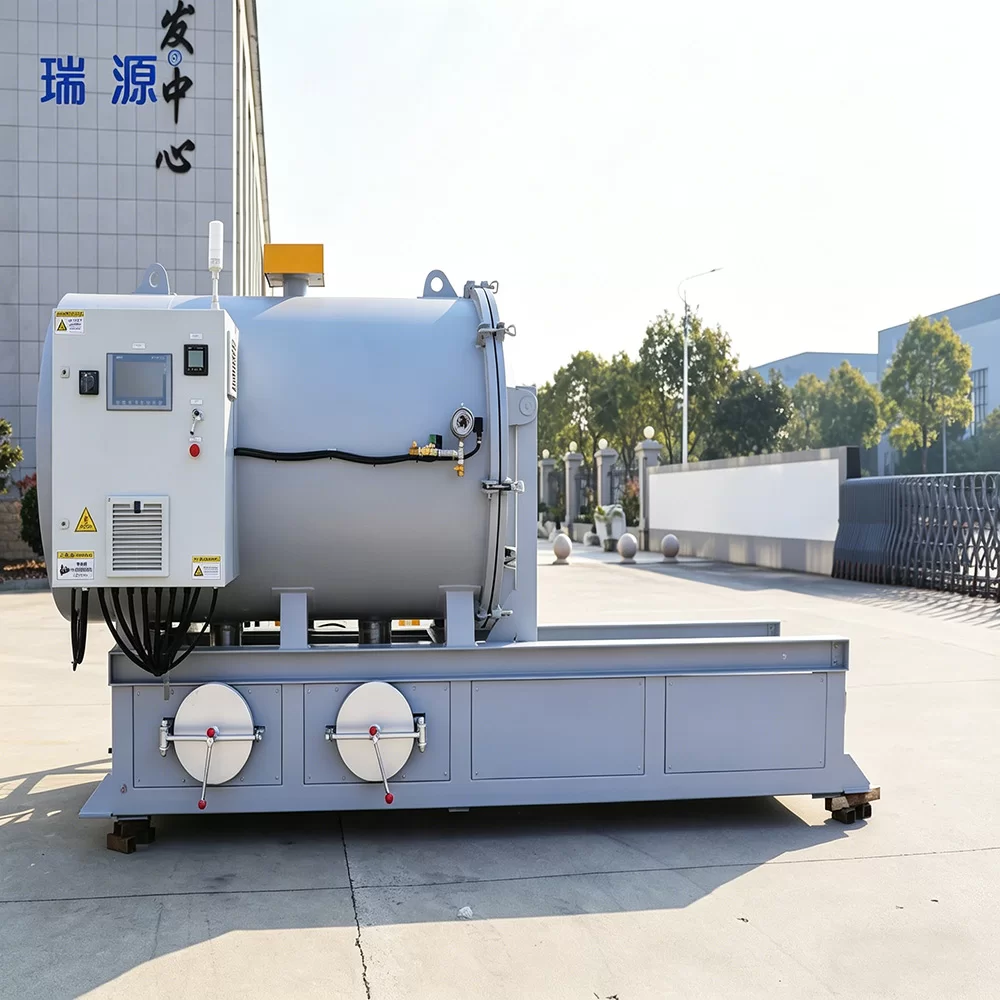
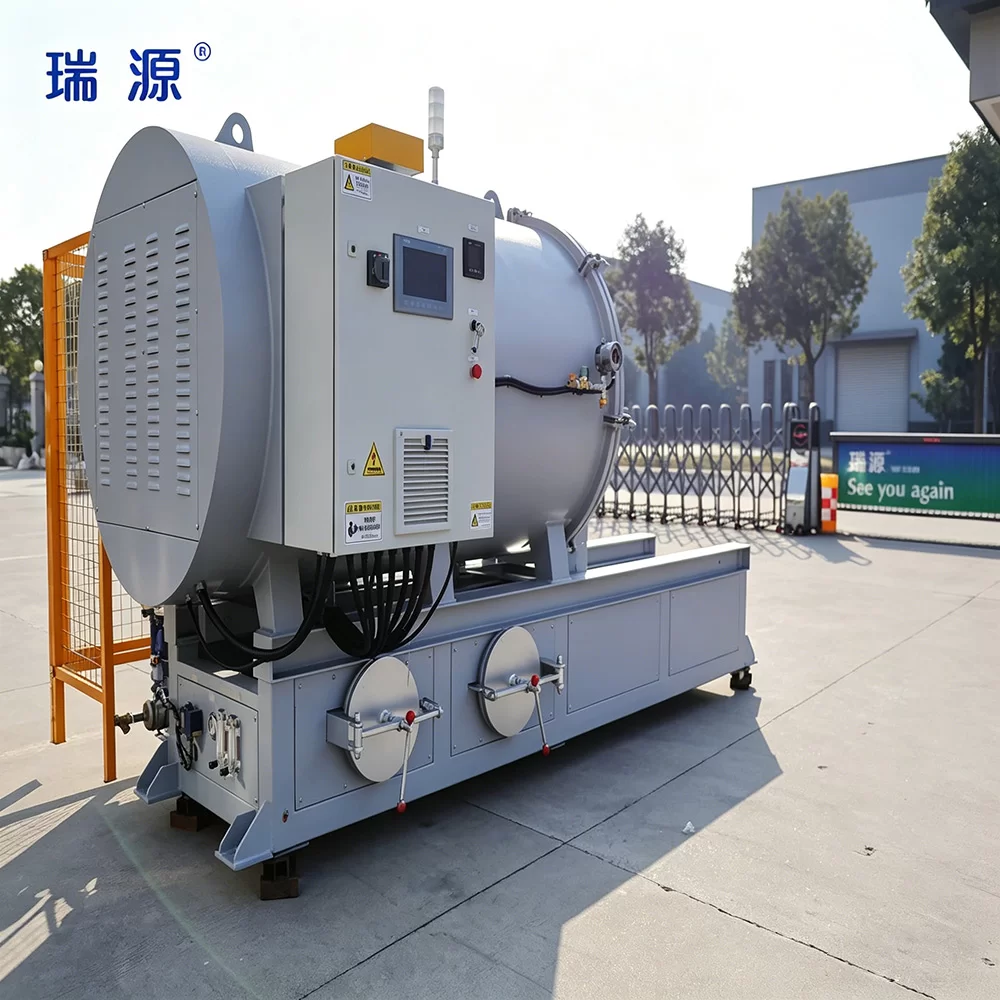
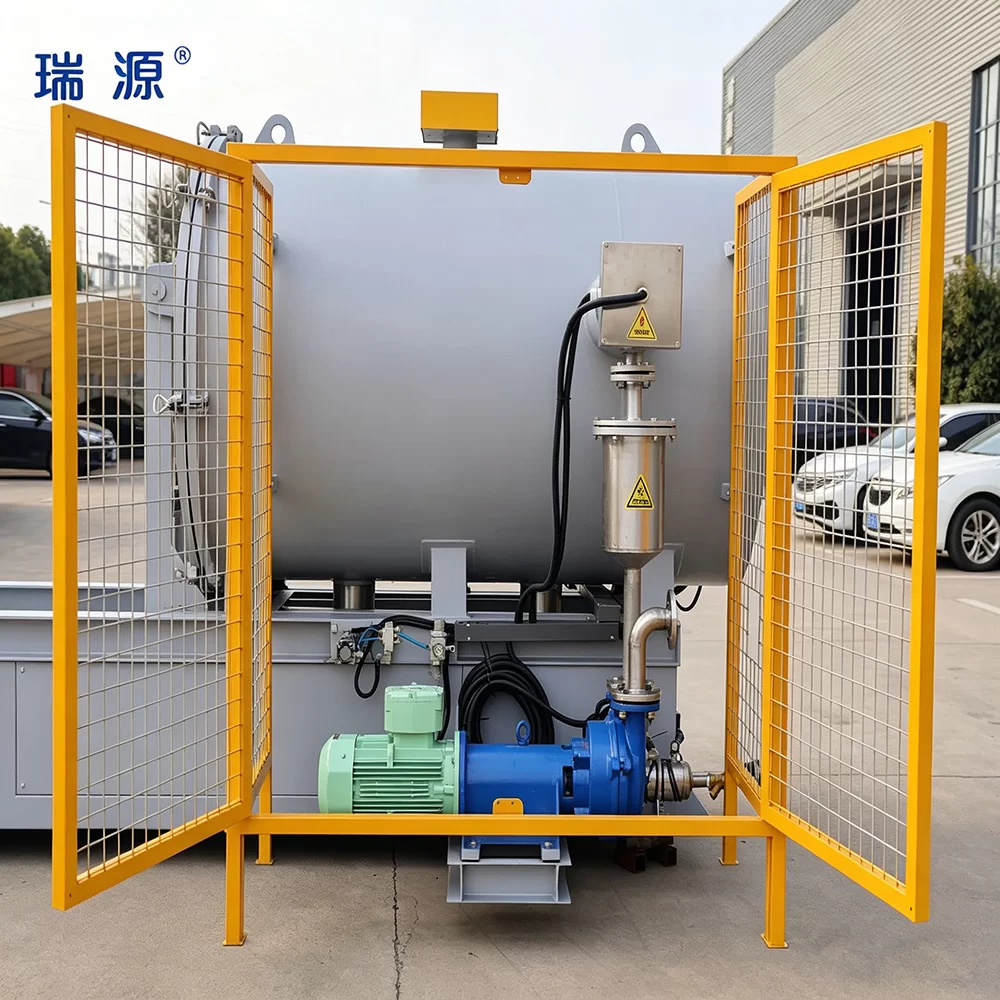
The Vacuum Calcination Cleaning Oven is a state-of-the-art industrial solution meticulously engineered for the complete removal of polymer residues from high-precision metal components. By integrating advanced vacuum technology with controlled thermal processing, this system ensures that polymers are efficiently melted, drained, and vaporized. This high-tech approach eliminates the risk of combustion, preserving the structural integrity and surface finish of even the most sensitive industrial parts.
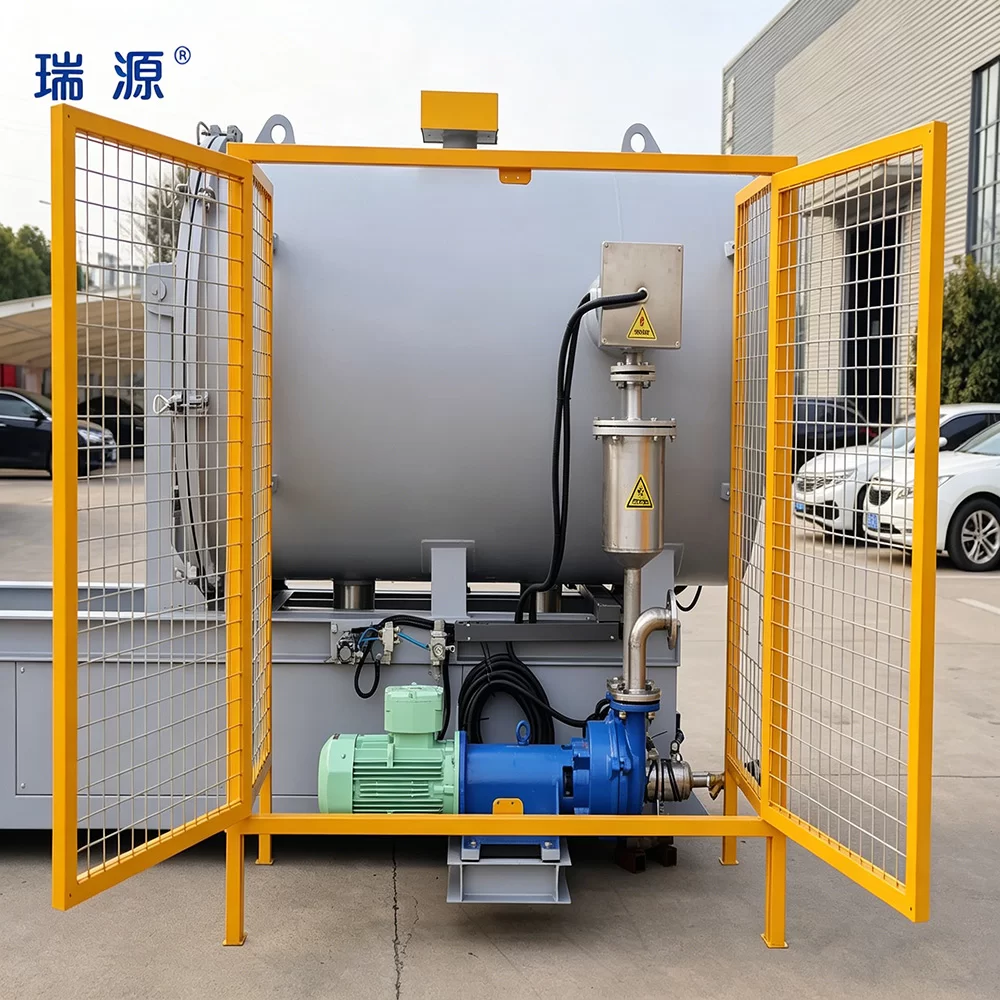
Designed for maximum versatility and strict environmental compliance, the system features a specialized water scrubbing process to capture condensates and purify emissions. Whether processing complex thermoplastic polymers or precision-engineered equipment, the Vacuum Calcination Furnace provides a safe, fully automated, and energy-efficient pathway to restore industrial components to their original factory specifications, significantly reducing downtime and operational risk.
| Process Type | Vacuum Calcination Cleaning | Cleaning Cycle | Approx. 8 Hours |
|---|---|---|---|
| Operating Environment | Vacuum Chamber | Temperature Control | High-Precision Digital Control |
| Compatible Polymers | PET, PA, PP, TPE, PB, PBT, PC, PMMA, ABS | Cleaning Mode | Fully Automatic |
| Emission Handling | Water Spray Scrubbing | Waste Collection | Bottom Collector System |
| Safety Standard | Combustion-Free Vacuum Process | Energy Profile | Low Energy Consumption |
The vacuum environment eliminates oxygen, preventing oxidation and localized overheating to protect critical parts.
With cleaning cycles of approximately 8 hours, equipment uptime and overall productivity are significantly increased.
Highly effective across a wide spectrum of thermoplastics including PET, ABS, PC, and PMMA for diverse industrial needs.
End-to-end automatic operation reduces manual labor requirements and eliminates human error during processing.
Advanced monitoring ensures uniform heating to melt polymers without damaging metal substrates or causing warping.
Integrated water scrubbing system ensures vaporized polymers are collected safely, ensuring environmental compliance.
Monitor multiple cleaning batches simultaneously for optimized workflow and production management.
Save specific temperature and vacuum profiles for different polymer types to ensure consistency.
Instant notification upon cycle completion or if temperature variances occur during processing.
Continuous vacuum pressure monitoring to guarantee a safe, combustion-free environment.
Track power consumption per cycle to analyze and optimize operational costs effectively.
Automated management of the water spray system for efficient condensate collection.
| Performance Metric | Traditional Chemical Cleaning | Vacuum Calcination Cleaning |
|---|---|---|
| Cleaning Time | Multi-day soaking/rinsing | ~8 Hours per cycle |
| Environmental Impact | Hazardous chemical waste | Water-scrubbed condensate |
| Material Safety | Risk of chemical corrosion | Non-reactive thermal process |
| Labor Requirement | High manual scrubbing | Fully Automated |
| Residue Removal | Partial/Surface level | Deep polymerization removal |