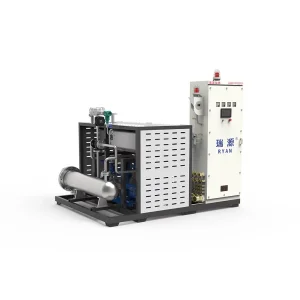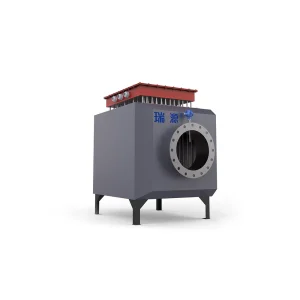
Jiangsu Ruiyuan Heating Equipment Technology Co., Ltd. is a leading Chinese manufacturing enterprise specializing in the research, development, production, and comprehensive sales and after-sales maintenance of industrial heating machinery and certified pressure vessels. Grounded in our foundational philosophy, “integrity as our foundation, quality as our key to success, keeping pace with the times, and continuous innovation”, we deliver custom-engineered heating assemblies designed to handle the most demanding high-pressure environments across Hungary and the broader European market.
"With over 30 years of deep specialization in boiler R&D and electrical thermal oil systems, Ruiyuan addresses the four critical parameters that challenge modern factory operations: precision heating and exact temperature profiles, advanced high-temperature organic contaminant extraction, low-lag system startup, and highly complex bespoke non-standard manufacturing specifications."
For industrial manufacturing projects located in Hungary’s expanding automotive, chemical, textile, and electronic clusters (such as those in Debrecen, Győr, and Miskolc), reliable process equipment is vital. As factories scale up to meet ambitious productivity metrics, they face strict safety regulations. We provide reliable solutions by matching rigorous Chinese manufacturing capacity with full European conformity assessment standards.
Engineered configurations designed specifically for high-efficiency process requirements in Central Europe.
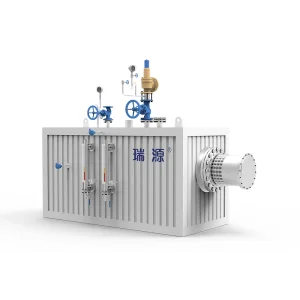
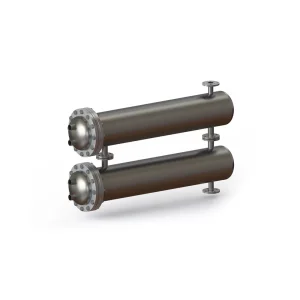
Hungary has established itself as an important industrial manufacturing and logistics hub in Central and Eastern Europe. Bolstered by foreign direct investment (FDI), modern industrial parks, and proximity to major EU supply chains, the country hosts large-scale manufacturing operations. Cities like Győr, Debrecen, Kecskemét, and Budapest house processing plants that require reliable thermal utilities and high-pressure storage systems.
With several major automotive assembly lines and massive battery gigafactories established or under construction in regions like Debrecen, Hungary has become a key node for EV component supply. Electric vehicle battery production requires strict temperature management and vacuum processing. Systems such as thermal oil loops, heating-cooling exchangers, and industrial vapor generators are critical to processing raw materials, coating electrodes, and manufacturing separators.
The Hungarian chemical and pharmaceutical sectors have a long tradition of high engineering standards. Heavy chemicals, polymer processing, and pharmaceutical active ingredient (API) synthesis require specialized pressure vessels capable of handling high pressures and temperatures. Reactor heating systems, biphenyl vapor plants, and solvent recovery vessels must comply with local environmental and safety regulations. These installations require high levels of sealing and corrosion resistance, demanding PED-compliant and ATEX-rated components.
Full alignment with Directive 2014/68/EU guarantees safe operation and smooth importing into Hungary.
ATEX and IECEx standard configurations for zone 1 and zone 2 hazardous operations.
Custom nozzles, physical profiles, and heating elements engineered to fit into existing setups.
Built with quality alloy steels and corrosion-resistant finishes to ensure durability.
The pressure vessel manufacturing industry is shifting to align with global climate regulations and safety standards. European countries, including Hungary, are working toward strict carbon reduction goals. Consequently, process heating methods are changing.
Replacing fossil-fuel boilers with electric heating technologies is an effective path toward net-zero emissions. Electric thermal oil heaters and electric boilers reduce local emissions, operate at high thermal efficiencies, and offer precise control over process temperature profiles. This shift is critical in Hungary as gas pricing fluctuations and carbon taxes drive factories toward electric alternatives.
Modern pressure vessel design integrates sensors to monitor stress, corrosion, temperature, and pressure fluctuations in real-time. By utilizing smart control panels and PLC interfaces, operators can predict maintenance cycles, avoid sudden downtime, and extend the lifespan of heating elements and vessel walls.
Our pressure vessels and thermal equipment are built according to European standards. The structural designs utilize advanced finite element analysis (FEA) to calculate safety factors under thermal expansion and cycling loads.
| Equipment Type | Operating Temperature Range | Maximum Pressure Capability | Primary Regulatory Approvals | Core Industrial Application |
|---|---|---|---|---|
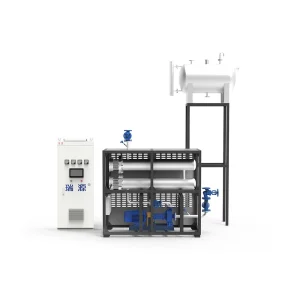
| Electric Thermal Oil Boilers | Up to 350°C (Liquid State) | Up to 1.6 MPa (Customizable) | PED 2014/68/EU, CE, ASME | Petrochemical, Polymer, Textile Processing |
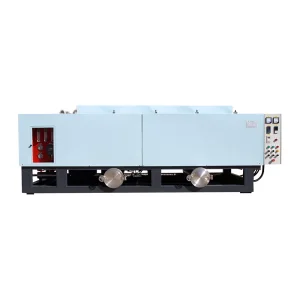
| Biphenyl Steam Generators | 250°C to 400°C (Vapor State) | Up to 1.0 MPa | CE, TUV Inspectable | Synthetic Fiber, Chemical Refining |
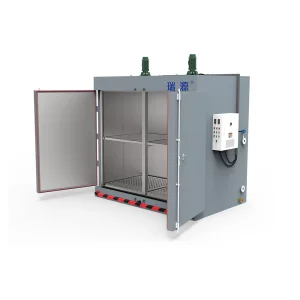
| Industrial Duct Heaters | Up to 650°C | Atmospheric / High Flow | CE, ATEX Optional | Hot Air Drying, Wind Tunnel, HVAC Systems |
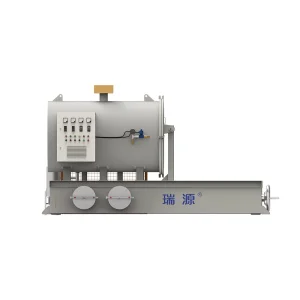
| Vacuum Cleaning Furnaces | Up to 550°C | Negative Pressure (Vacuum) | CE Safety Directives | Polymer Die Cleaning, Spinneret Reclaiming |
Operating in Hungary requires compliance with both local regulations and broader European standards. Below is an overview of our specialized engineering solutions designed to support industrial operations across the country.
In battery electrode processing, slurry drying requires high-precision air and oil heating. Our industrial electric duct heaters provide clean, uniform, and controllable airflow at temperatures up to 450°C. This level of control ensures even drying of the solvent-based electrode coatings, supporting consistent battery cell performance and safety.
Synthetic fiber plants utilize polymer extrusion processes. Our biphenyl steam generators offer high latent heat transfer capability at high temperatures, preventing cold spots in the polymer transfer line. When cleaning is required, our vacuum cleaning furnaces extract residual polymer build-up from extrusion plates, helping extend the operational lifespan of expensive parts.
For petrochemical applications, safety in hazardous areas is critical. We manufacture heavy-duty, explosion-proof electric thermal oil boilers that meet ATEX requirements. These systems are designed with flameproof enclosures, isolated terminal boxes, and over-temperature safety controls to keep heating processes safe, even in close proximity to flammable gases or vapors.
Explore our full line of industrial boilers, high-pressure cleaning ovens, and custom duct heating configurations.
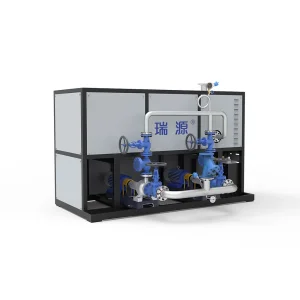
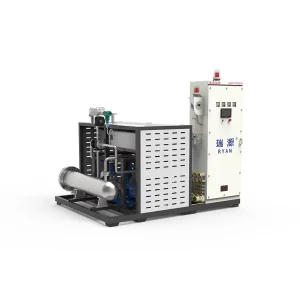
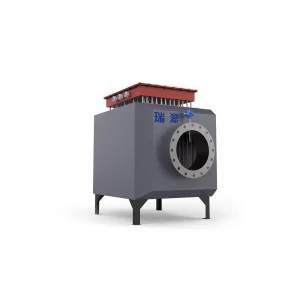
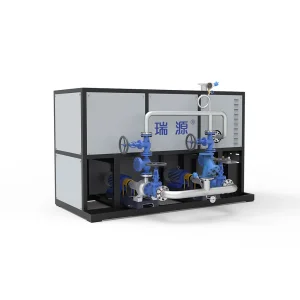
Critical compliance, delivery, and design questions answered for procurement managers and design engineers.
To install pressure vessels in Hungary, equipment must comply with the European Union's Pressure Equipment Directive (PED 2014/68/EU). Certification involves structural calculations, CE marking, non-destructive testing (NDT), and validation of weld materials and operator qualifications. Additionally, local installation requires notification to the Hungarian authority (MKEH / Budapest Capital Government Office Department of Metrology and Technical Safety) for periodic testing and licensing.
Electric thermal oil heaters operate as liquid-phase heat transfer loops. This design enables high-temperature operation (up to 350°C) at low working pressures (typically under 1.0 MPa), avoiding the high-pressure safety risks associated with steam systems. They also eliminate the need for complex water treatment chemicals, minimize corrosion risks, and provide heat transfer efficiency near 98%, which helps reduce carbon footprint and operational costs.
We handle complete international logistics coordination, shipping directly to major logistics hubs in Hungary. Our engineers configure the electrical layouts to support local grid specifications (e.g., 400V, 50Hz, 3-phase power supply) and provide control units compatible with Siemens or Schneider PLCs. This ensures straightforward integration into existing factory automation systems.
Yes. Our vacuum calcination furnaces are engineered to accommodate various sizes of filter plates, spinnerets, and extruder screws. By operating under negative pressure conditions, the system safely melts and decomposes polymer residue (such as PET, PA, PP) at temperatures up to 550°C. This method prevents mechanical wear and gas corrosion, protecting valuable tooling compared to open-flame cleaning methods.
Every pressure vessel shipment includes a complete technical documentation package. This package consists of structural design drawings, material raw compliance certificates (mill test reports), hydrostatic test certificates, weld inspection reports (NDT radiography), paint thickness metrics, electrical schematic diagrams, and CE declaration of conformity forms.