1 / 4

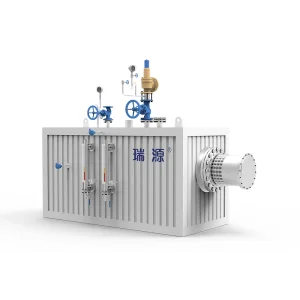
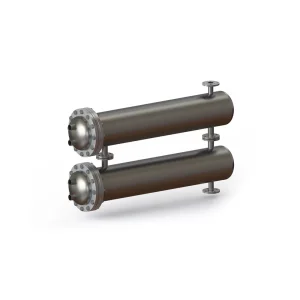
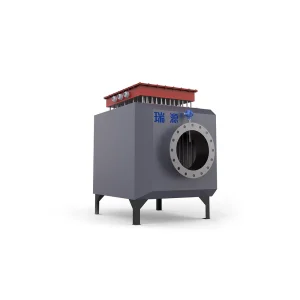
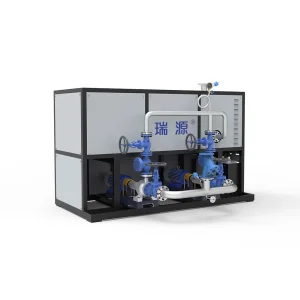
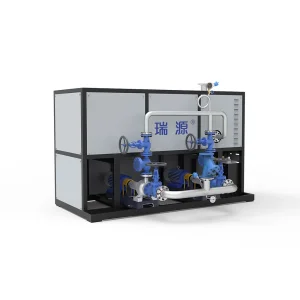
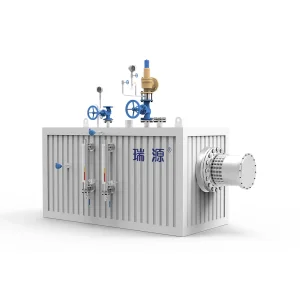
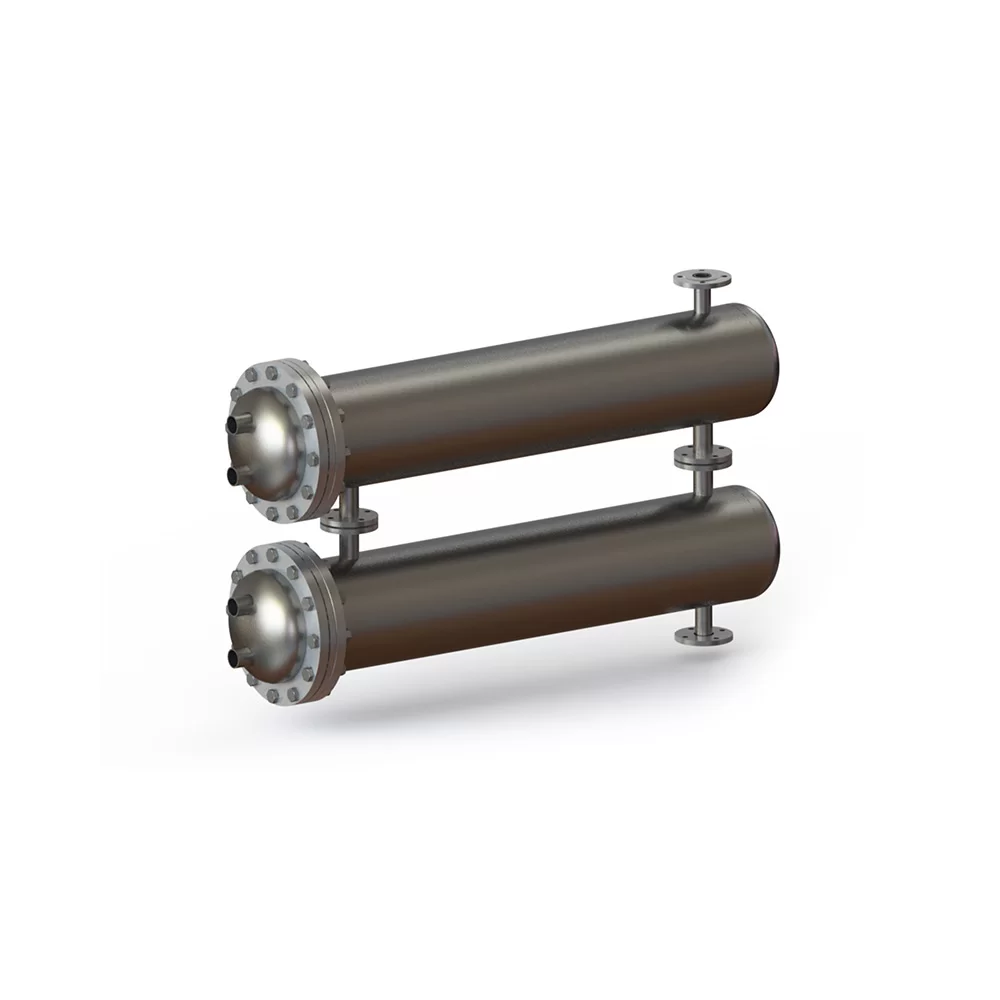
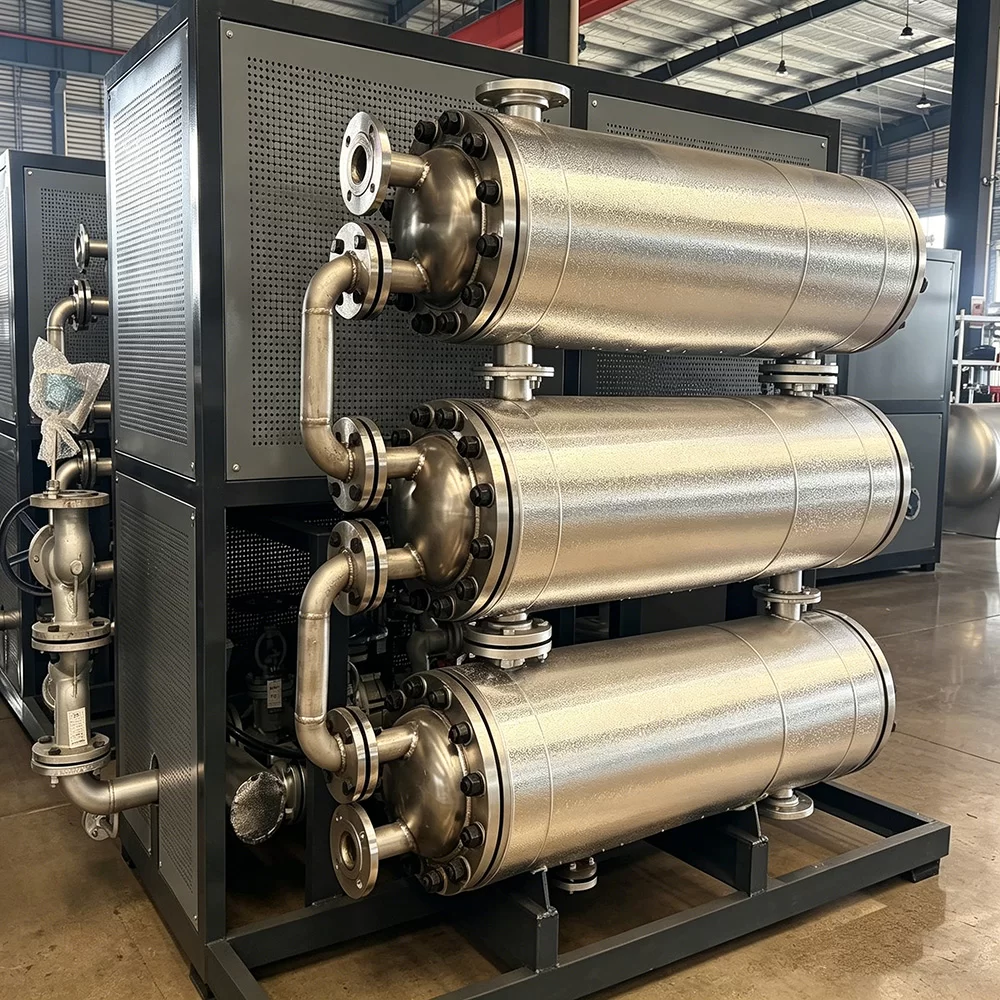
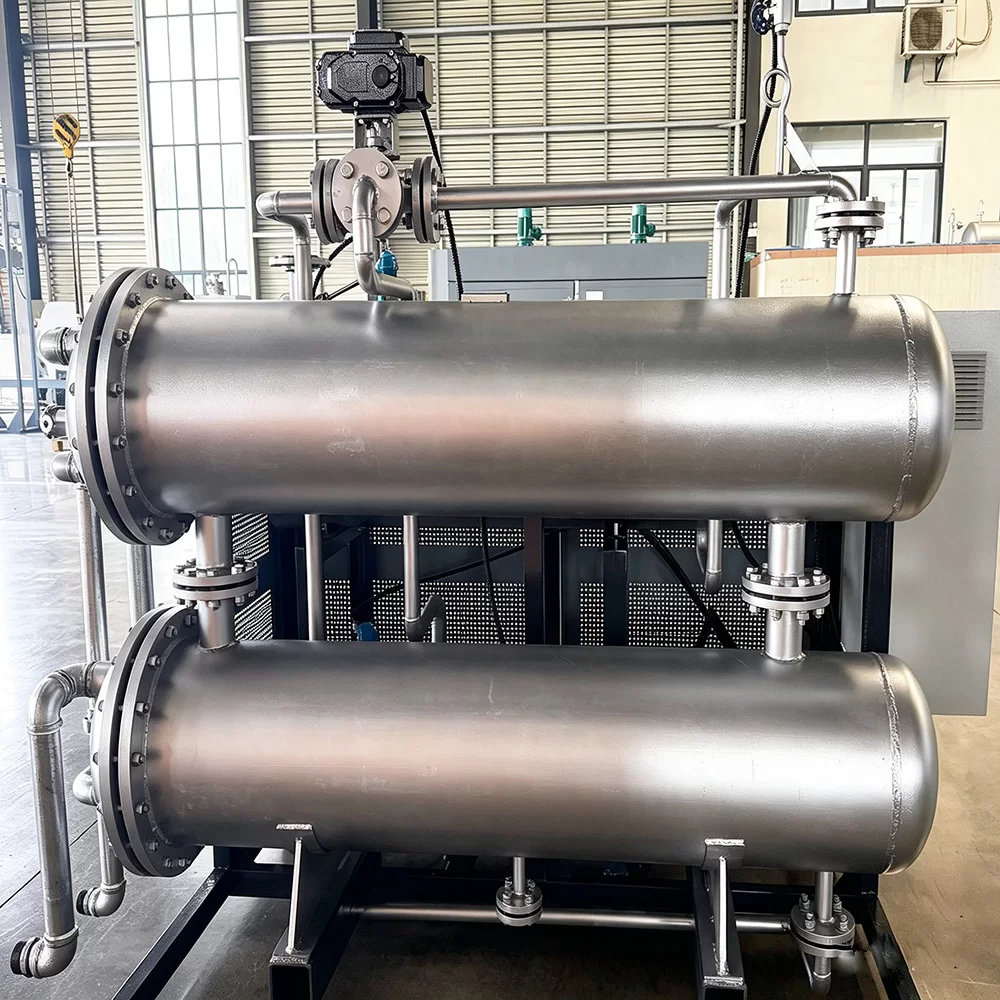
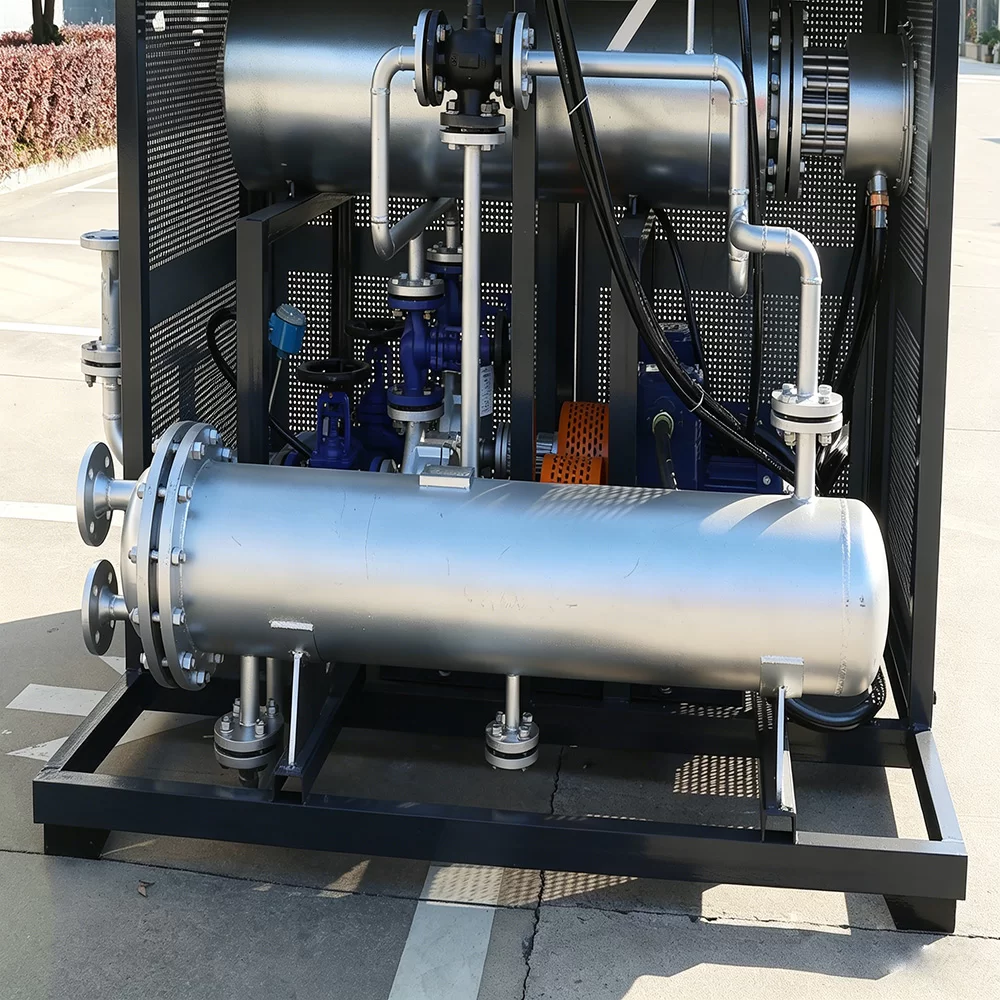
A Thermal Oil Heat Exchanger is a device that transfers thermal energy between hot thermal oil and a colder process fluid (liquid, gas, or air), or in reverse configuration for cooling duties. As thermal oil systems operate at high temperatures (typically 150°C to 400°C) without the high pressures of steam, they offer a safe, efficient, and stable heat source for a wide range of industrial processes.
Depending on the process requirement, the same basic heat exchanger design can function as:
| Function | Description |
|---|---|
| Heater | Raises the temperature of a cold process fluid using hot thermal oil |
| Cooler | Lowers the temperature of a hot process fluid using cooler thermal oil or another cooling medium |
| Condenser | Condenses a vapor (e.g., solvent vapor) into liquid by transferring heat to thermal oil (which then carries the heat away) |
| Evaporator | High thermal stability, excellent heat transfer properties |
| Reboiler | Provides heat to the bottom of a distillation column to generate vapor for the separation process |
PT100 or thermocouples on both thermal oil inlet/outlet and process fluid inlet/outlet
Modulating control valve on thermal oil bypass or three-way mixing valve for precise process temperature control
Optional for thermal oil or process fluid flow monitoring
On both sides to monitor differential pressure (indicating fouling or blockage)
PID controller (standalone or integrated with plant DCS/PLC) that modulates the control valve or thermal oil heater output
We understand the unique properties of thermal oil - high temperature, low specific heat, viscosity variation with temperature - and design exchangers specifically optimized for these characteristics.
No "one size fits all." Every exchanger is designed based on your exact process conditions: flow rates, temperatures, allowable pressure drops, fluid properties, and fouling tendencies.
Our designs achieve lower approach temperatures and higher heat recovery than standard off-the-shelf exchangers. Typical energy savings of 10-20% compared to poorly optimized designs.
Robust construction with appropriate material selection ensures decades of service life with minimal maintenance.
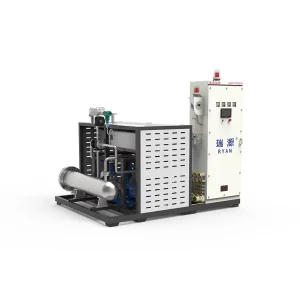
As thermal oil system specialists, we can supply not only the heat exchanger but also the thermal oil heater, expansion tank, circulating pump, control panel, and all interconnecting piping - a fully integrated solution.
A Thermal Oil Heat Exchanger is a specialized device designed to transfer heat energy between hot thermal oil and a colder process fluid (such as liquid, gas, or air), or vice versa, supporting heating or cooling tasks in industrial systems.
They typically operate at high temperatures ranging from 150°C to 400°C. They offer a highly stable and safe heat source because thermal oil systems achieve these high temperatures without the elevated pressure requirements of steam.
Depending on configuration, they can function as a Heater (raising temperature), Cooler (lowering temperature), Condenser (condensing vapor into liquid), Evaporator, or Reboiler (providing heat to distillation columns).
Custom engineering is crucial because it accounts for unique process variables like fluid viscosity shifts, exact flow rates, allowable pressure drops, and fouling tendencies, ensuring 10-20% higher energy efficiency compared to standard models.
Key control elements include high-precision PT100 temperature sensors, modulating control valves or three-way mixing valves, flow meters, differential pressure gauges, and integrated PID controllers linked with plant PLC/DCS systems.