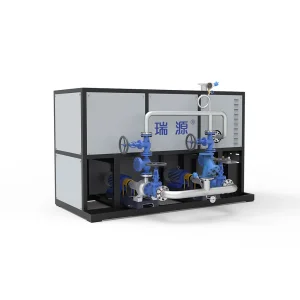
Advanced heating units designed and optimized to satisfy the stringent CE and PED certifications required in the Campania region.
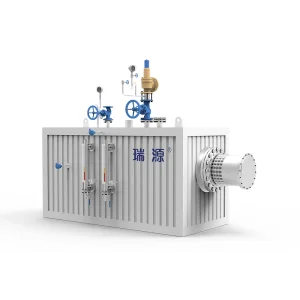
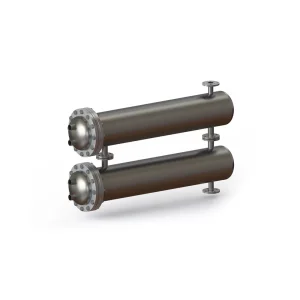
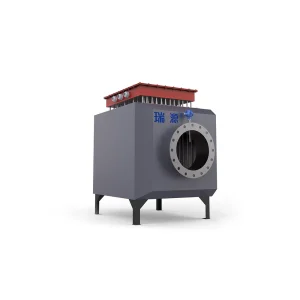
The Metropolitan Area of Naples, located strategically in the Campania region of Southern Italy, represents a complex industrial ecosystem that spans maritime shipping, petroleum refining, aerospace engineering, polymer processing, and food preservation. As a vital trade port in the Mediterranean, Naples serves as a gateway where raw chemical processing meets logistical export infrastructure. Operating within this ecosystem requires process machinery capable of resisting harsh marine corrosion, managing complex thermal dynamics, and maintaining absolute pressure boundary integrity.
For pressure vessel exporters targeting the Naples market, the manufacturing and design paradigm goes beyond traditional fabrication. It demands strict alignment with the European Pressure Equipment Directive (PED) 2014/68/EU, as well as the harmonized European standards (such as EN 13445) and the widely accepted ASME Section VIII Division 1 & 2 design codes. Industrial plants situated around Naples—including petrochemical refineries, chemical processing units, and high-performance synthetic fiber production centers—require highly engineered, reliable vessel geometries that can handle high heat transfer fluids, vacuum cleaning processes, and heavy oil handling systems.
Jiangsu Ruiyuan Heating Equipment Technology Co., Ltd. provides optimized pressure systems designed specifically to address the demanding engineering specifications of Southern Italy. Backed by 30+ years of technical experience, our units deliver safety, thermal efficiency, and long-term operating life under tough operating conditions.
Analyzing the shift toward industrial electrification, strict carbon emission regulations, and advanced material processing.
With Italy enforcing strict carbon taxation and green directives, industrial sites in Naples are transitioning away from direct-fired gas boilers. Clean electric heating elements linked with high-temperature thermal oil heating loops allow for zero direct greenhouse gas emissions at the point of use.
Naples Port operations handle large quantities of high-viscosity marine heavy oils. Our inline electric circulation pipe heaters keep these fluids above their pour points. This provides efficient viscosity control and trouble-free fuel injection for auxiliary marine boiler systems.
Naples is a core hub for aerospace parts and composites manufacturing. Crucial components require thermal autoclaves and vacuum cleaning furnaces to strip polymers from metal spinners, spinnerets, and dies without risking mechanical distortion.
A structural comparison of core pressure vessel codes showing our design capability for European exports.
Exporting custom pressure vessels and electric heat exchangers to the Naples market requires a clear understanding of the differences between North American ASME codes and European Union PED directives. Our design office operates seamlessly across both systems to ensure complete safety and regulatory compliance.
| Engineering Parameter | PED 2014/68/EU (European Standard) | ASME Section VIII Div 1 (American Standard) | Ruiyuan Compliance Practice |
|---|---|---|---|
| Design Calculation Code | EN 13445 or approved code equivalent | ASME design formulas and stresses | Dual-verified using Finite Element Analysis (FEA) |
| Materials & Traceability | EN 10204 3.1 / 3.2 material certificates | ASME SA specifications, mill test reports | Only certified plates and forgings with full traceability |
| Hydrostatic Pressure Testing | Minimum of 1.43 × design pressure | Minimum of 1.3 × design pressure | Tested to meet the highest safety ratio |
| Non-Destructive Testing (NDT) | Visual, radiographic, ultrasonic, magnetic test | Radiography based on joint efficiency | 100% NDT inspection for critical weld seams |
| Third-Party Inspection | Notified Bodies (NoBo) validation | National Board Authorized Inspector | Certified by internationally recognized inspection agencies |
How our equipment functions in modern industrial systems to maximize efficiency and process reliability.
Used for high-temperature synthetic fiber production. Under high pressure, biphenyl vapor provides highly uniform latent heat. This prevents hot spots that can degrade delicate polymer chains.
Delivers heating fluid up to 350°C at near-atmospheric pressure. This eliminates the safety hazards and water treatment demands of high-pressure saturated steam boilers.
Vacuum cleaning furnaces degrade polymer residue on parts at temperatures near 500°C. In a vacuum, polymers break down without burning, protecting expensive metal tooling.
High-density electric elements lower viscosity in heavy fuel oils. Low surface watt densities protect the oil from carbonizing and burning onto the heater elements.
Direct answers regarding specifications, materials, certifications, and shipping configurations.
Explore our full line of industrial heaters, thermal chambers, and vacuum cleaning furnaces built for international export.
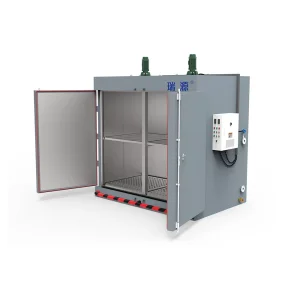
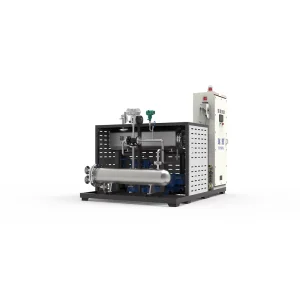
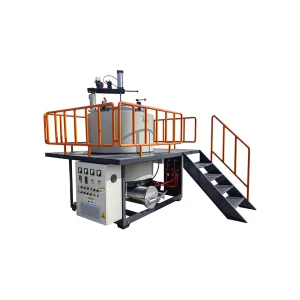
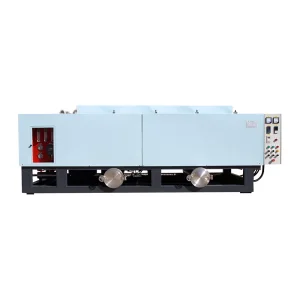
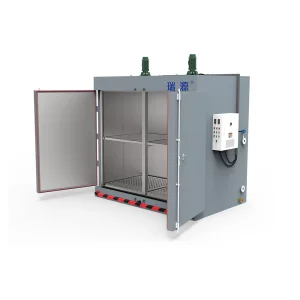
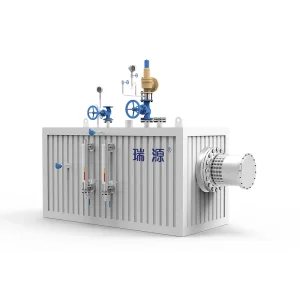
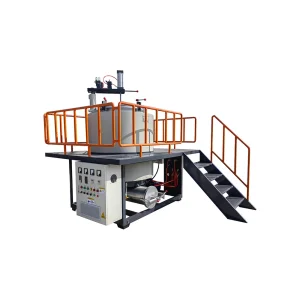
For over 30 years, Jiangsu Ruiyuan Heating Equipment Technology Co., Ltd. has developed and manufactured high-performance industrial electric heating systems and thermal equipment. Guided by our philosophy of "integrity as our foundation, quality as our key to success, keeping pace with the times, and continuous innovation," we supply durable, high-efficiency equipment to leading processing facilities worldwide.
We coordinate directly with international freight lines calling on the Port of Naples to ensure smooth delivery, port clearance, and commissioning. From custom pressure ratings to specialized material selection, our engineering team manages the complete design and manufacturing process.
Contact our technical sales team for custom project design support, technical parameters, and detailed quotations.
Send Inquiry Now