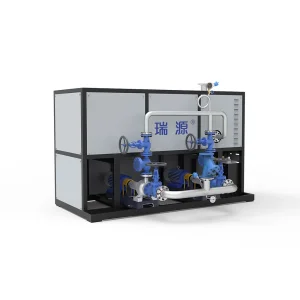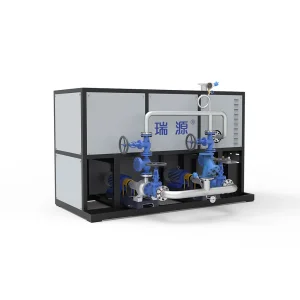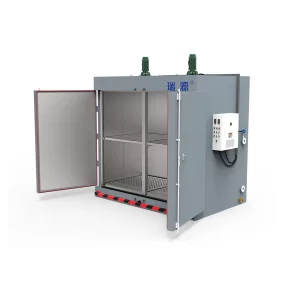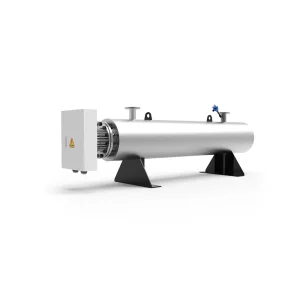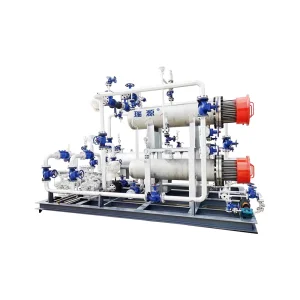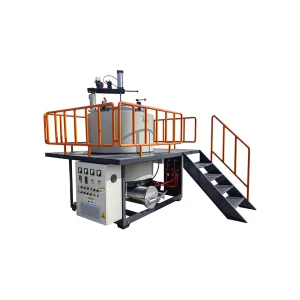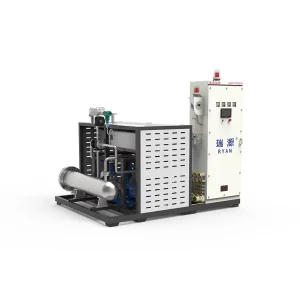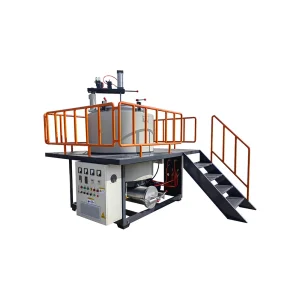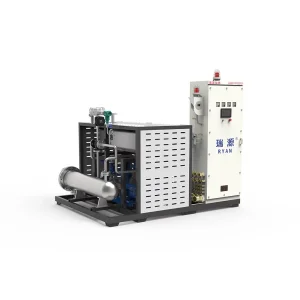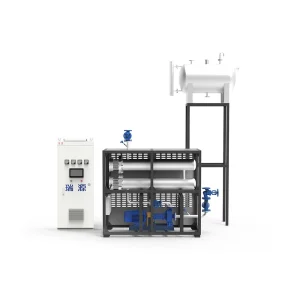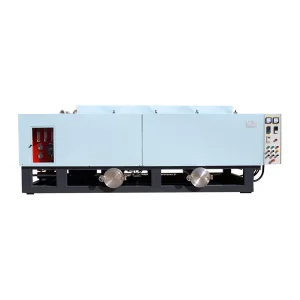
Explore our leading industrial thermal fluid heaters, engineered to deliver ultra-precise temperature control, reliable safety features, and optimized energy efficiency.
Years Engineering Experience
Precision Temp Control
Non-Standard Customization
Exporting Countries & Regions
Across the global process industries, the transition toward decarbonization and high-efficiency thermal management has accelerated the shift from traditional fossil fuel-fired boilers to advanced electric thermic oil heaters. Thermic oil heaters (also known as thermal fluid heaters) use a synthetic or organic heat transfer medium designed to operate at high temperatures (often exceeding 300°C to 350°C) while maintaining relatively low, non-hazardous system pressures. In comparison to conventional steam systems, which require extremely high pressure to reach equivalent temperatures, thermal fluid systems eliminate risks associated with scale buildup, water treatment, corrosion, and high-pressure explosion hazards.
Today, sectors such as petrochemical refining, polymer manufacturing, composite curing, textile processing, and chemical synthesis demand heat delivery systems that minimize energy losses while ensuring safety. In Europe, North America, and parts of Asia-Pacific, stringent environmental legislation targeting carbon footprints is pushing engineering procurement companies (EPCs) to source electric thermal fluid systems. By utilizing green electricity, process plants can achieve net-zero carbon operations, eliminate local combustion emissions, and significantly reduce operational footprints.
Jiangsu Ruiyuan Heating Equipment Technology Co., Ltd. is a Chinese manufacturing company specializing in research and development, production, sales, and after-sales service. Governed by the corporate philosophy of “integrity as our foundation, quality as our key to success, keeping pace with the times, and continuous innovation”, Ruiyuan has spent over 30 years refining its R&D processes to pioneer innovative solutions for heavy industrial applications.
With over 30 years of experience in boiler R&D and manufacturing, Ruiyuan specializes in industrial electric heating equipment. Its product range includes electric thermal oil heaters, vacuum cleaning furnaces, air heaters, biphenyl steam generators, and related accessories. Rather than offering one-size-fits-all products, Ruiyuan's core strength lies in solving four key challenges that trouble process engineers worldwide:
Traditional heating loops often suffer from thermal inertia and lag, causing temperature fluctuations that ruin chemical batches or polymer characteristics. Ruiyuan resolves this with Temperature Control Units (TCU) capable of maintaining tolerance limits within ±0.5°C.
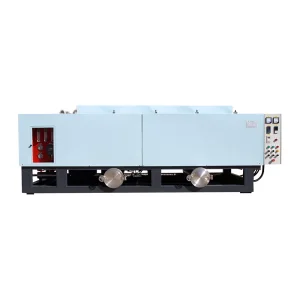
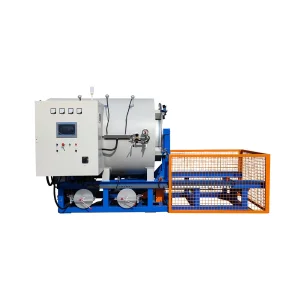
Thermoplastics, resins, and polymers accumulate on spinnerets, dies, and filter elements. Mechanical scraping causes damage. Ruiyuan’s vacuum cleaning furnaces run precise thermal cycles under vacuum conditions to safely decompose and remove residues.
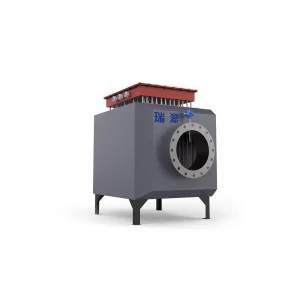
Heavy oil, asphalt, and fuel oils solidify or experience extreme viscosity increases in cold environments. Ruiyuan's RYAN Electric Pipe Heaters apply direct, calculated heat flux densities to ensure smooth, unhindered pipeline flows.
"Sourcing non-standard, custom-engineered process equipment has historically been a major pain point for engineering teams. By bridging the gap between bespoke engineering designs and high-capacity manufacturing, Jiangsu Ruiyuan ensures that complex, tailor-made thermal fluid heating loops comply with international quality, explosion-proof, and safety standards."
The global reputation of Chinese thermic oil heater manufacturers has undergone a massive transformation. No longer just a source of cost-effective labor, China’s industrial industrial hubs—particularly in Jiangsu province—represent highly integrated supply chains, cutting-edge material sciences, and rapid engineering prototyping capabilities. This creates distinct efficiency advantages for international buyers:
Thermic oil heaters are highly versatile machines. Below are the key localized industrial scenarios where Jiangsu Ruiyuan’s equipment solves complex process challenges:
In refineries and asphalt distribution terminals, keeping heavy crude oil, bitumen, and residues flowing is a constant challenge. Standard heaters can overheat localized oil volumes, leading to fluid cracking, carbon deposition, and eventual tube failure. Ruiyuan’s electric pipe heaters and thermal fluid loops utilize low watt-density element designs. This distributes heat evenly, preventing localized fluid film degradation and maintaining optimal pumping viscosity without compromising fluid quality.
In polyester, nylon, and polypropylene production lines, molten polymers are extruded through micro-apertures in spinneret plates. Over time, polymer residues degrade and clog these channels. Using Ruiyuan's RYAN Chamber and Vertical Vacuum Cleaning Furnaces, operators can clean these delicate parts under vacuum-controlled temperatures, avoiding physical damage to expensive spinnerets, filters, and dies while ensuring zero atmospheric emissions.
Batch chemical synthesis relies on precise thermal curves. If temperatures spike or dip, yield rates drop, and dangerous exothermic reactions can trigger safety systems. Ruiyuan’s Temperature Control Units (TCU) utilize rapid hot-and-cold oil switching systems combined with SCR (Silicon Controlled Rectifier) power controls to modulate thermal output smoothly, maintaining process fluid temperatures to within ±0.5°C.
| Industry Sector | Core Challenge | Ruiyuan Equipment Solution | Key Engineering Benefit |
|---|---|---|---|
| Petrochemicals | Asphalt & heavy oil fluid viscosity control | RYAN Electric Pipe Heater | Prevents localized fluid cracking, maintains flow |
| Synthetic Fibers | Polymer residue blockages on spinnerets | Vacuum Cleaning Furnace | Safe thermal decomposition without tool wear |
| Pharmaceuticals | Exothermic reaction temperature spikes | TCU Heating/Cooling System | Precise temperature stability within ±0.5°C |
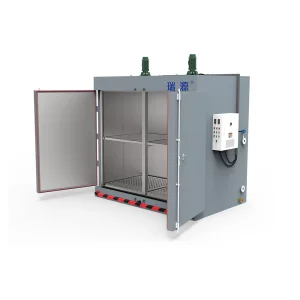
| Lamination/Ovens | Uniform heat distribution on large surfaces | Thermal Oil Heated Oven | Eliminates hot/cold zones for homogeneous curing |
When selecting a China-based thermic oil heater supplier, global procurement directors must evaluate manufacturers against strict engineering and compliance criteria. Buying a process heating system is not just about initial capital expenditure; it is about lifetime operational reliability, safety, and energy efficiency.
Ensure the manufacturer uses high-quality raw materials, such as SUS304, SUS321, or SUS316L stainless steel for heating elements to prevent corrosion and oxidation under continuous load. The heater vessel should conform to international codes (such as ASME Section VIII, CE-PED, or local equivalents). Request material test certificates, hydrostatic test reports, and non-destructive testing (NDT) documentation for all structural welds.
In petrochemical and chemical environments, explosive gases are often present. Procurement teams must verify that the electric thermal oil heaters carry appropriate explosion-proof classifications (e.g., ATEX, IECEx, or Ex-d Class I Div 1). This includes certified flameproof heating element terminal boxes, intrinsically safe sensor connections, and robust purge systems for control panels.
Modern plants operate on centralized Distributed Control Systems (DCS) using communication protocols like Modbus, Profibus, or Ethernet/IP. The heating system’s local control panel must integrate seamlessly. Furthermore, ensure multi-tier safety interlocks are pre-installed: low oil flow rate switches, high-limit temperature sensors, expansion tank level alarms, and over-pressure relief valves to automatically isolate power in case of system anomalies.
As the industrial world embraces Industry 4.0, process heating equipment is undergoing rapid digital integration. Future-ready thermic oil systems incorporate features that optimize efficiency and predict failures before they happen:
Get answers to common engineering questions regarding the selection, maintenance, and operation of industrial electric thermal fluid heaters.
Electric thermic oil heaters offer up to 99% thermal efficiency because there are no stack flue losses. They provide highly precise temperature control (down to ±0.5°C), operate silently, require no fuel storage infrastructure, have zero local carbon emissions, and are significantly safer due to the absence of open flames.
Under continuous and correct operating conditions—maintaining minimum oil velocities to prevent element scorching—high-quality SUS321/316L heating elements can last between 5 to 10 years. Proper flow rates prevent local fluid films from overheating, which is the primary cause of carbon buildup and element burnout.
A biphenyl steam generator uses biphenyl/diphenyl oxide mixtures as a heat transfer medium. This organic mixture is ideal for gas-phase heating systems at high temperatures (250°C to 350°C). Unlike water, it does not require extreme system pressures, providing a safe, reliable, and uniform vapor condensation heat source.
The system uses vacuum pyrolysis. The polymer-coated parts are heated in a sealed vacuum chamber to temperatures around 350°C to 500°C. Under vacuum, the polymers thermally decompose (depolymerize) and gasify. The gases are drawn out and condensed, leaving only a small amount of carbon ash that can be easily washed away, without damaging the metal tools.
Mandatory systems include ATEX/IECEx certified terminal enclosures, dual-element over-temperature thermocouples, mechanical pressure-relief valves, differential pressure switches to ensure fluid flow before elements energize, and safety-rated isolation contactors in the control cabinet.
Explore our complete industrial cleaning and auxiliary heating equipment, built to maximize production uptime and safety across demanding production environments.