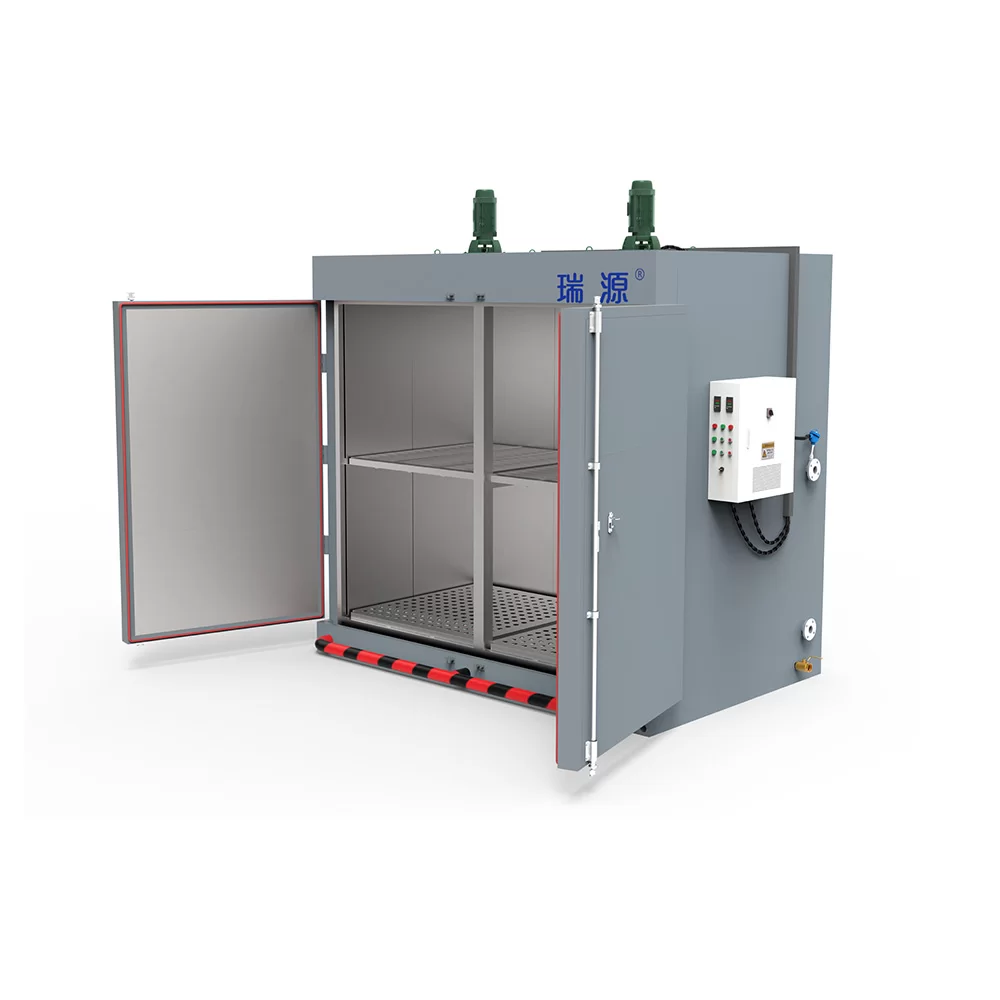
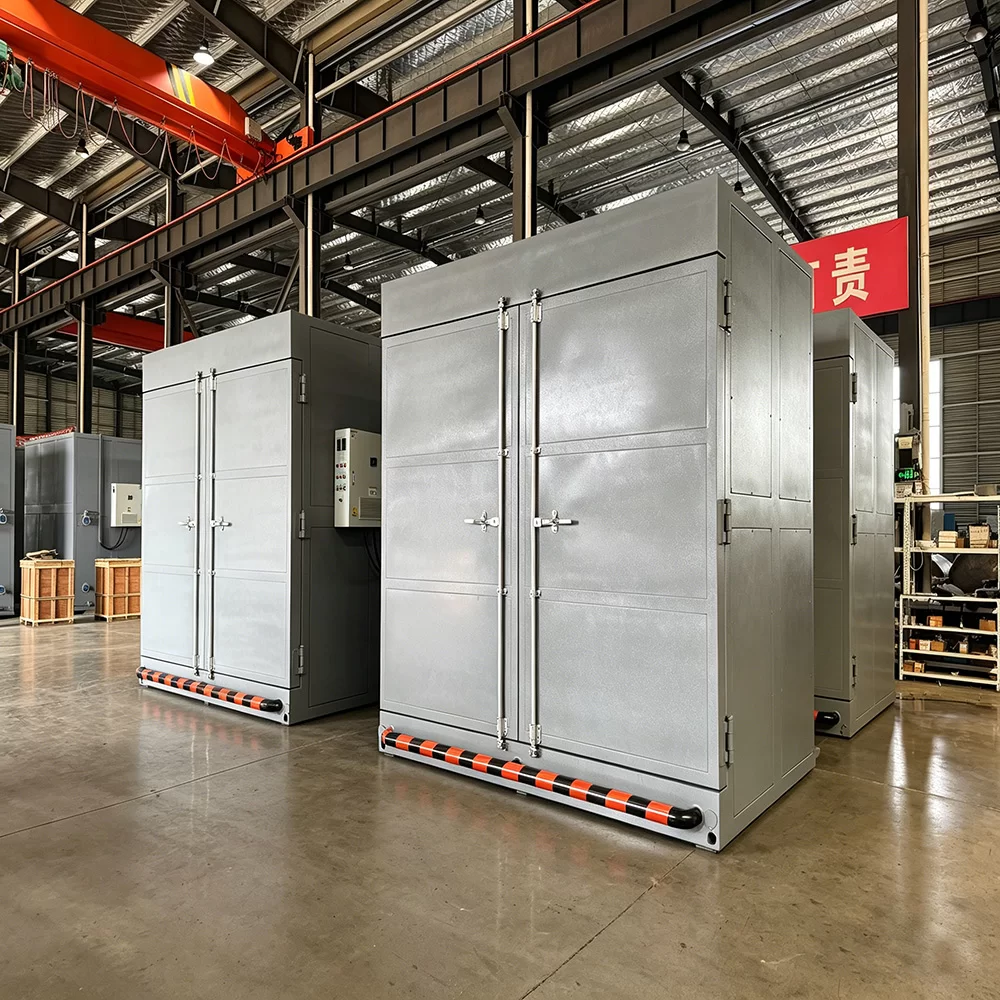
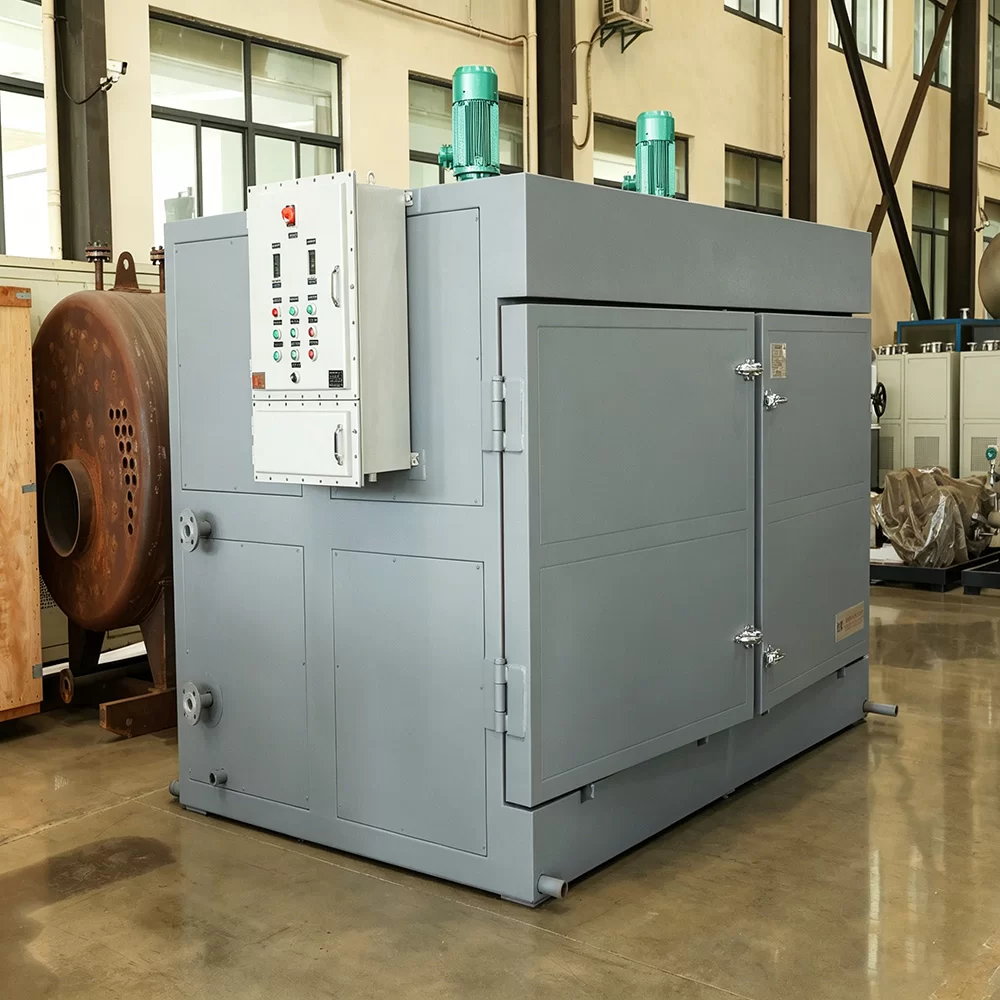
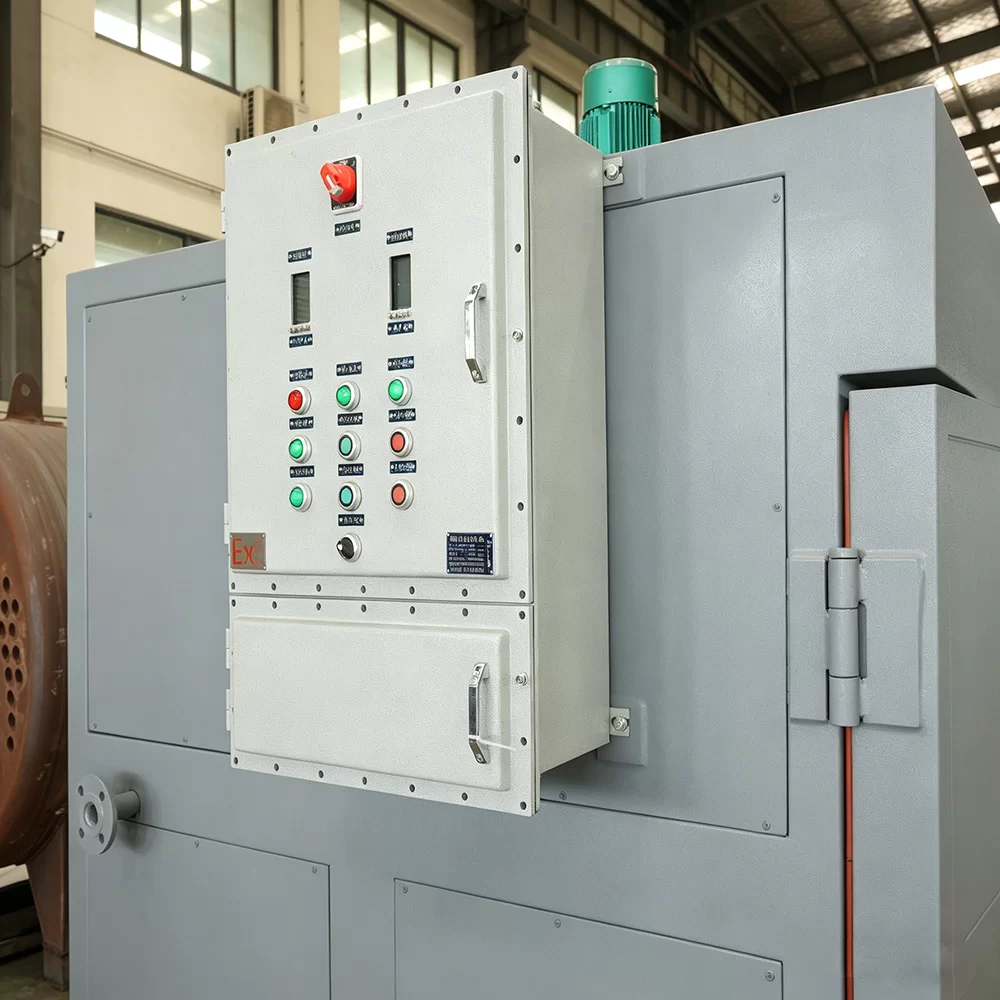
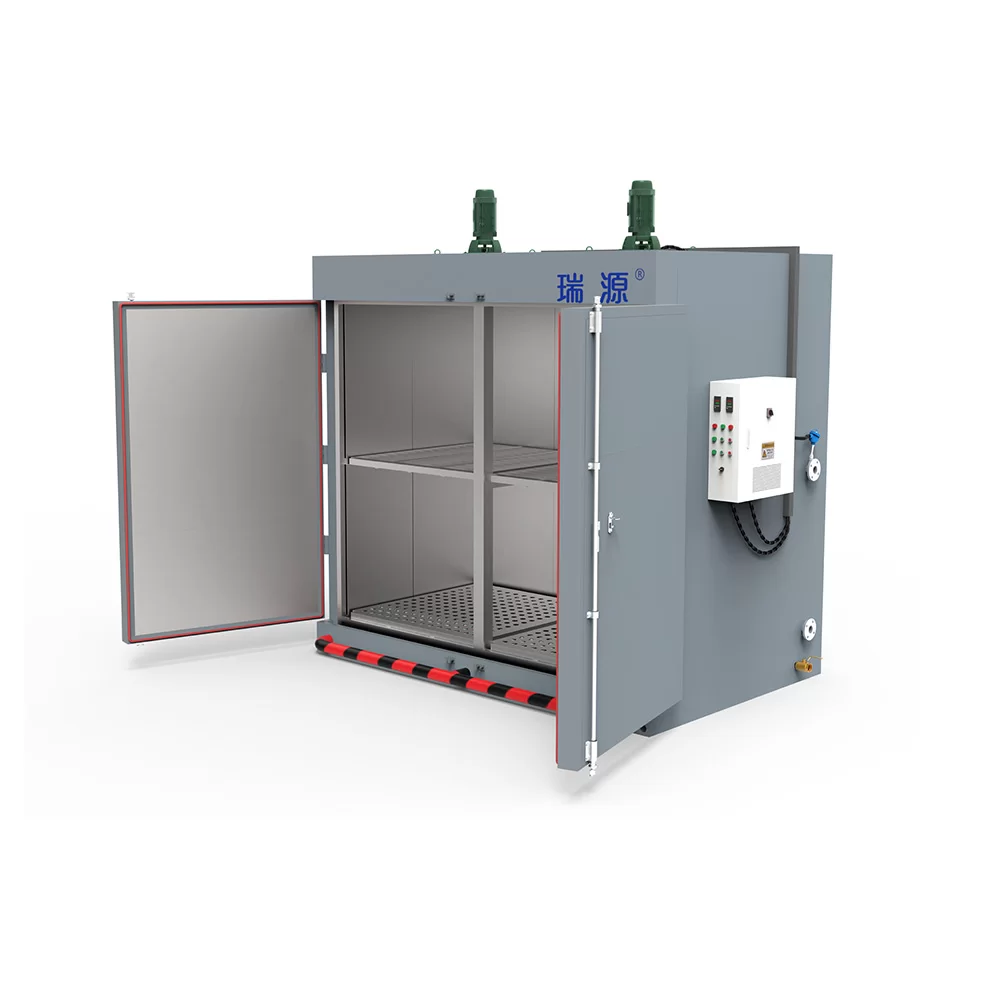
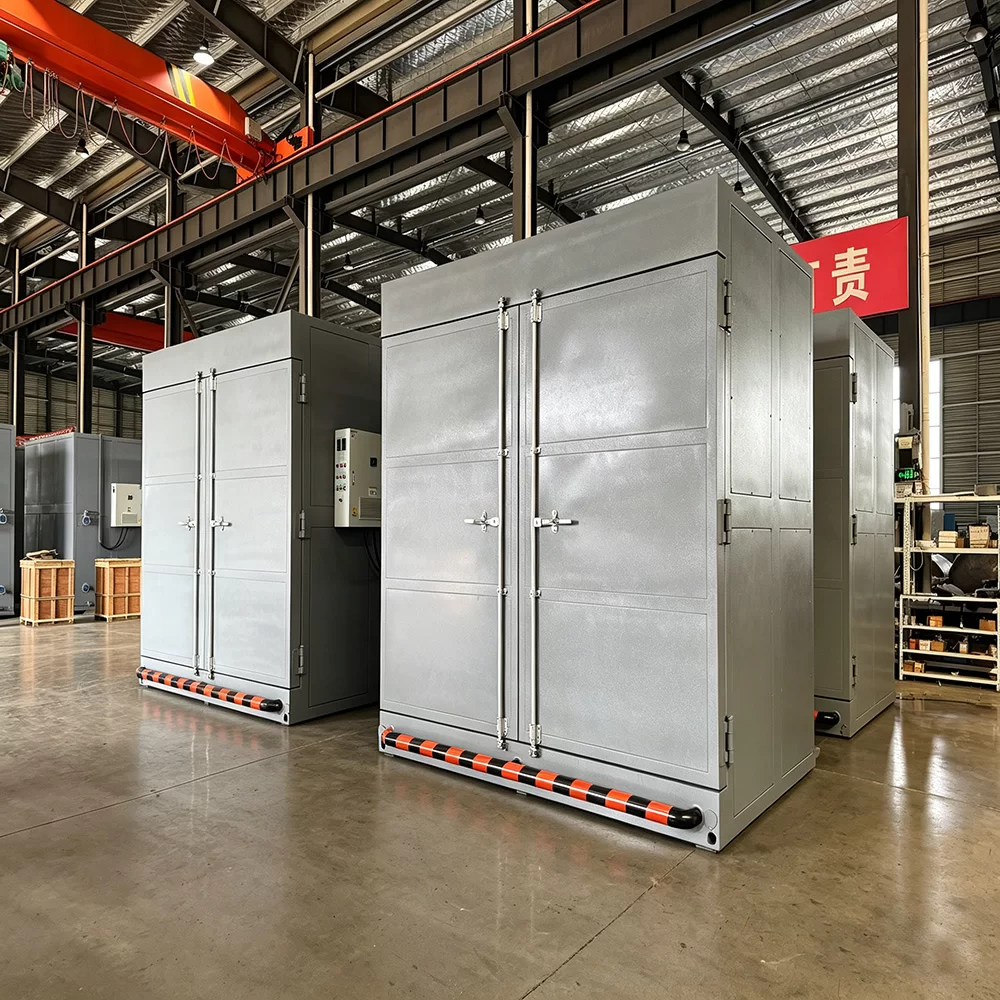
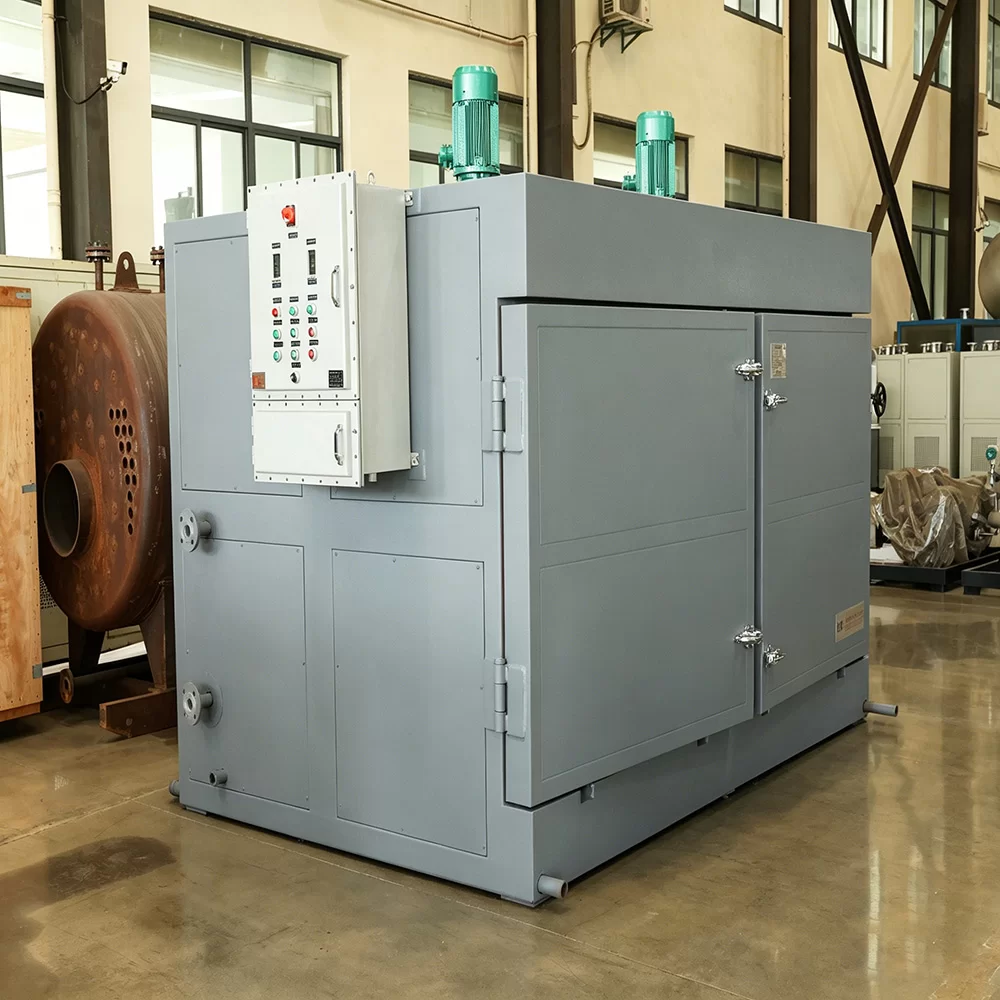
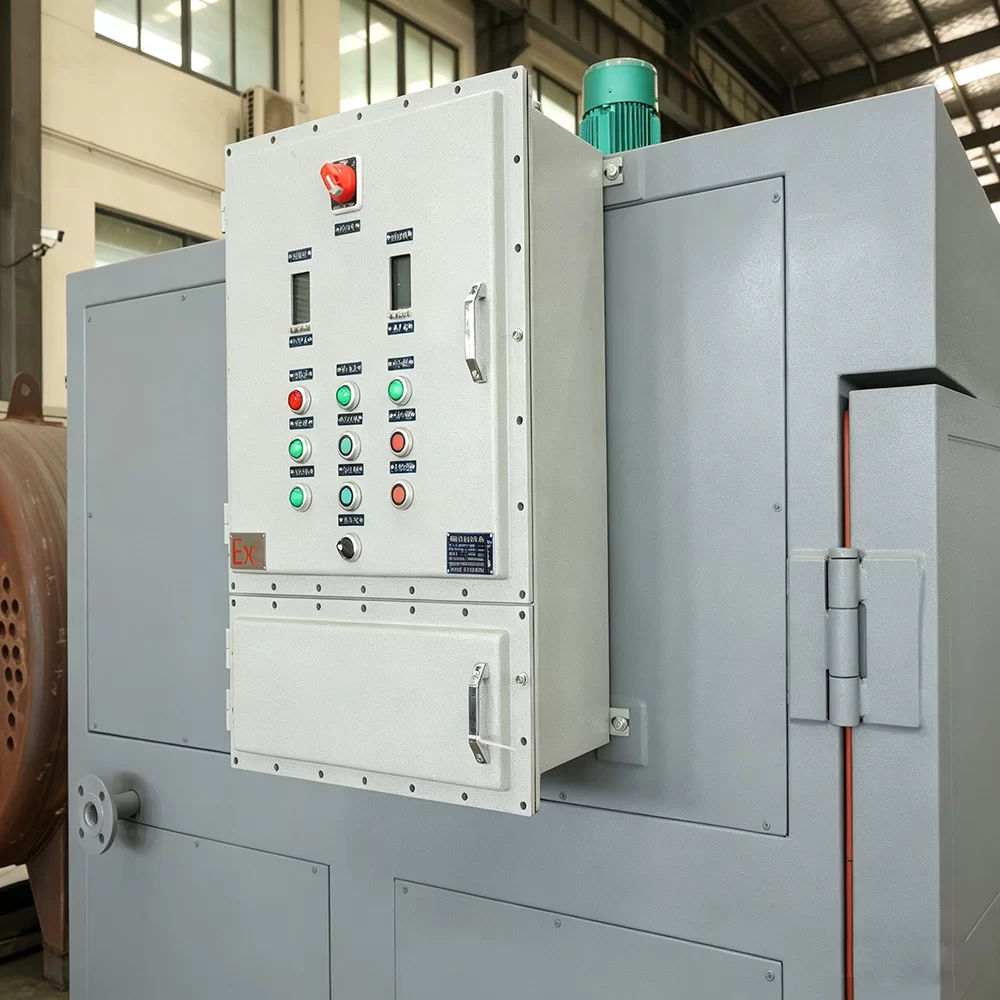
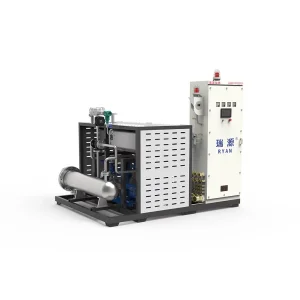
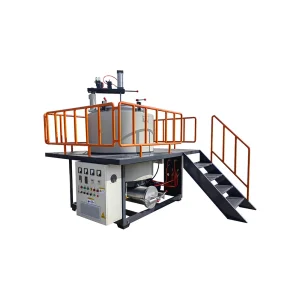
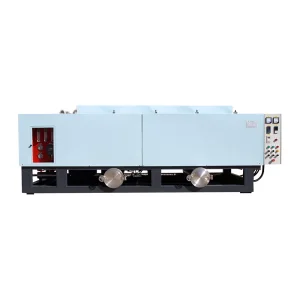
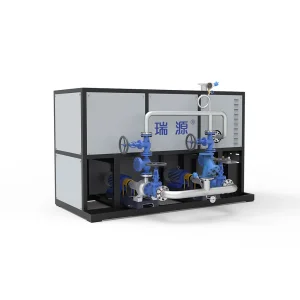
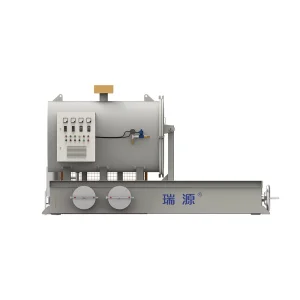
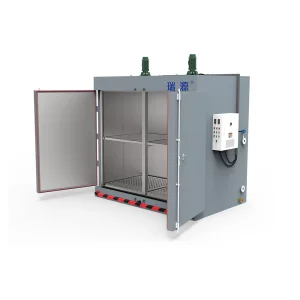
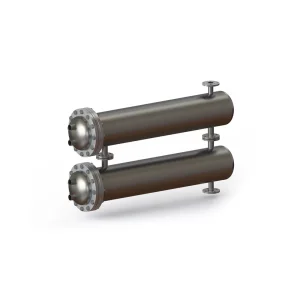
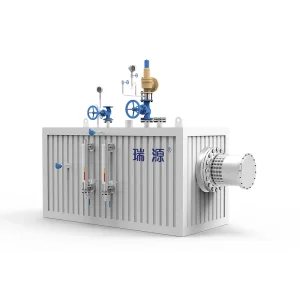
The Thermal Oil-Heated Oven is a high-performance industrial heating solution engineered for precision and safety. By utilizing circulating thermal oil as the heat transfer medium, this system effectively decouples the heat source from the processing chamber, offering unparalleled flexibility in fuel selection and enhanced operational safety for volatile applications.
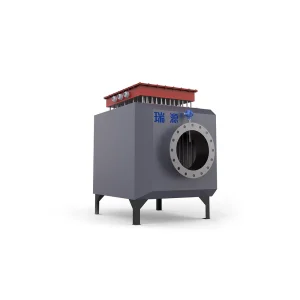
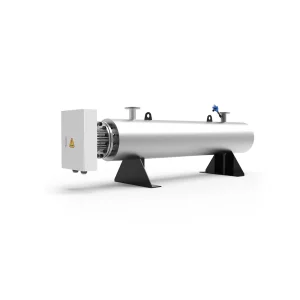
Designed for large-scale industrial demands, the system integrates a dedicated heater box, high-temperature circulation pumps, and an advanced finned tube heat exchanger. This configuration ensures rapid heat transfer and exceptional temperature uniformity, making it an ideal choice for sectors requiring stable, indirect heating for drying or curing processes.
Detailed Parameters
| Heat Source Options |
Electric, Natural Gas, Diesel, Heavy Oil, Coal |
Temperature Control |
Digital PID Controller |
| Oil Temp. Accuracy |
±1-2°C |
Chamber Uniformity |
±2-5°C (Depending on size) |
| Heat Exchanger |
Stainless Steel / Carbon Steel |
Insulation Material |
High-Density Industrial Insulation |
| Air Circulation |
Forced Air Fan System |
Chamber Construction |
Heavy-Gauge Industrial Steel |
| System Architecture |
Indirect Heat Transfer |
Capacity Support |
Multi-Oven Single-Source Capability |
Key Advantages
Indirect Heating Safety
Heat sources are located outside the chamber, eliminating open flames or electric elements internally—perfect for flammable vapors.
Uniform Temperature
The synergy of thermal oil circulation and forced airflow eliminates cold spots for consistent product results.
Precise PID Control
Advanced digital controllers maintain oil temperatures within tight tolerances for critical industrial processes.
Fuel Versatility
Easily switch between electric, gas, or oil burners to match local fuel costs and environmental regulations.
Multi-Oven Scaling
A single thermal oil heater can power multiple ovens, significantly reducing capital expenditure for large facilities.
Robust Construction
Fabricated from heavy-gauge steel with corrosion-resistant heat exchangers for extended service life.
Management Platforms
Thermal Oil Loop
Closed-circuit management of heat transfer fluids for maximum energy recovery.
PID Logic Control
Real-time monitoring and adjustment of temperature set points to prevent overheating.
Safety Interlocks
Automatic shutdown protocols for pump failure or abnormal temperature spikes.
Airflow Optimization
Managed forced-air circulation to ensure consistent heat distribution across all zones.
Fuel Management
Integrated burner control for optimizing combustion efficiency based on fuel type.
Maintenance Alerts
Scheduled tracking for oil quality checks and heat exchanger cleaning cycles.
Investment Return Comparison
| Feature |
Direct Electric Oven |
Thermal Oil System |
| Operating Cost |
High (Electricity Intensive) |
Low (Flexible Fuel Options) |
| Safety Level |
Moderate (Internal Elements) |
Excellent (Indirect Heating) |
| Temp Uniformity |
Variable (Hot Spots) |
High (Forced Air/Oil Mix) |
| Scalability |
1 Heater per 1 Oven |
1 Heater for Multiple Ovens |
| Energy Efficiency |
Moderate |
High (Continuous Operation) |
Frequently Asked Questions
What are the benefits of thermal oil heating over steam heating?
Thermal oil can reach much higher temperatures than steam without requiring high-pressure vessels, reducing safety risks and operational costs while providing more stable heat transfer.
Is this oven suitable for drying materials that produce flammable vapors?
Yes. Because the heat source (burner or element) is located outside the oven chamber in the heater box, there is no risk of ignition from open flames or electric sparks inside the chamber.
How does the "multi-oven capacity" feature save costs?
Instead of purchasing separate heating units for every oven, one powerful thermal oil heater can circulate hot oil to multiple chambers, reducing initial equipment investment and maintenance efforts.
Which fuel source is the most economical for industrial scale?
This depends on local utility pricing, but generally, fuel-fired systems (Natural Gas or Diesel) are significantly more cost-effective than electric resistance heating for continuous, large-scale operations.
How is temperature uniformity achieved in the oven?
Uniformity is achieved through a combination of a finned tube heat exchanger and a forced circulation fan that ensures hot air is distributed evenly throughout the entire chamber.
What materials are used for the heat exchanger to prevent corrosion?
Depending on the specific process requirements and temperature, we use high-grade stainless steel or carbon steel to ensure durability and resistance to corrosion.
Looking for a High-Efficiency Thermal Oil Heating Solution?
Get Professional Support