1 / 4
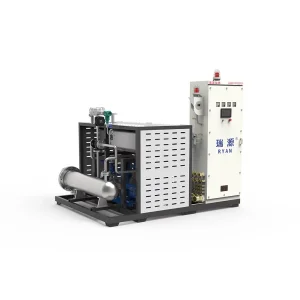
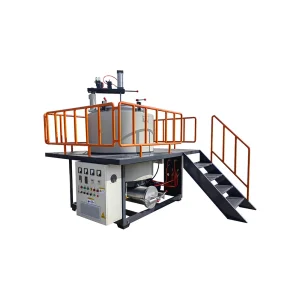
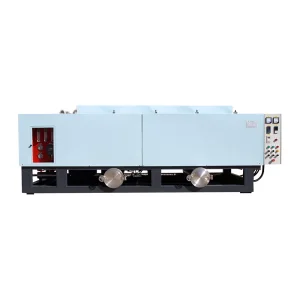
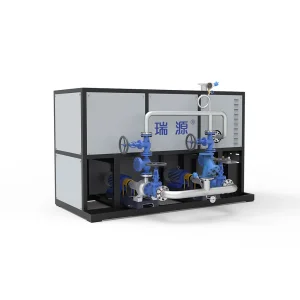
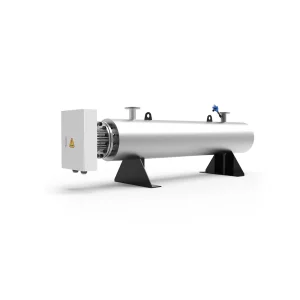
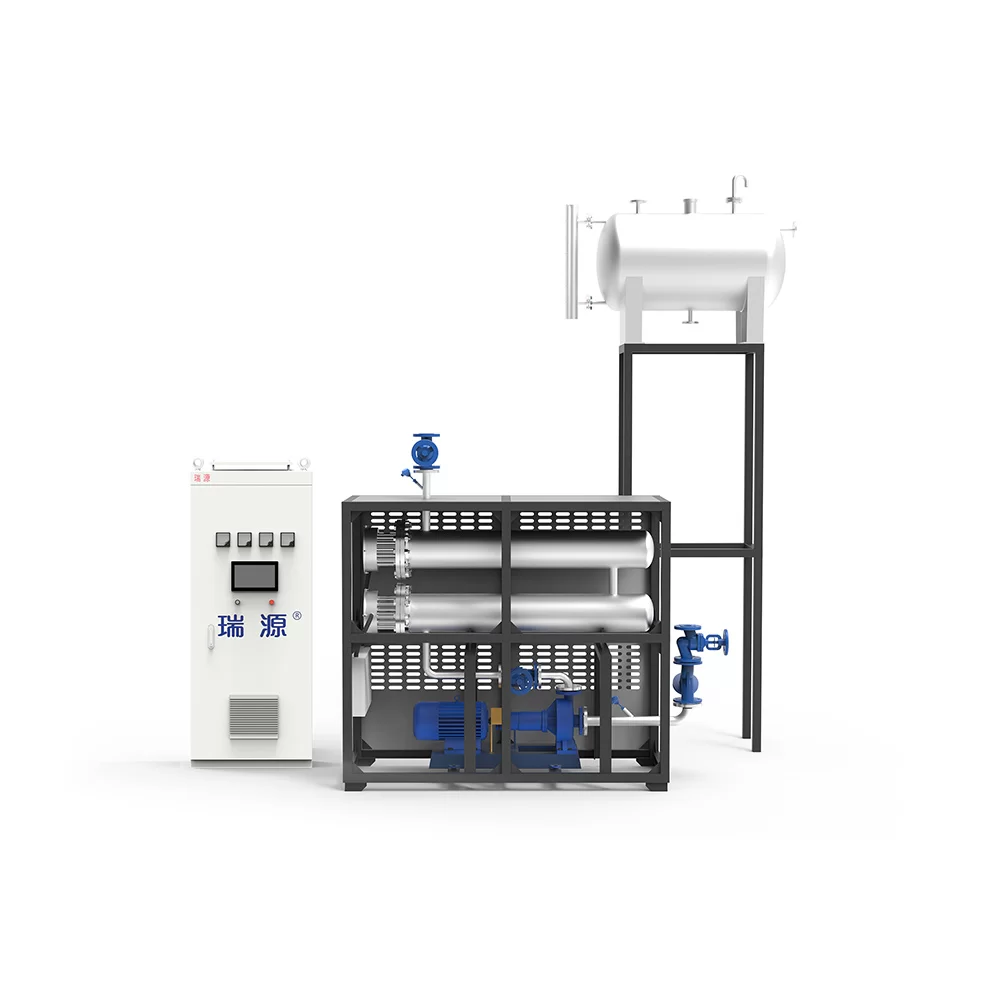
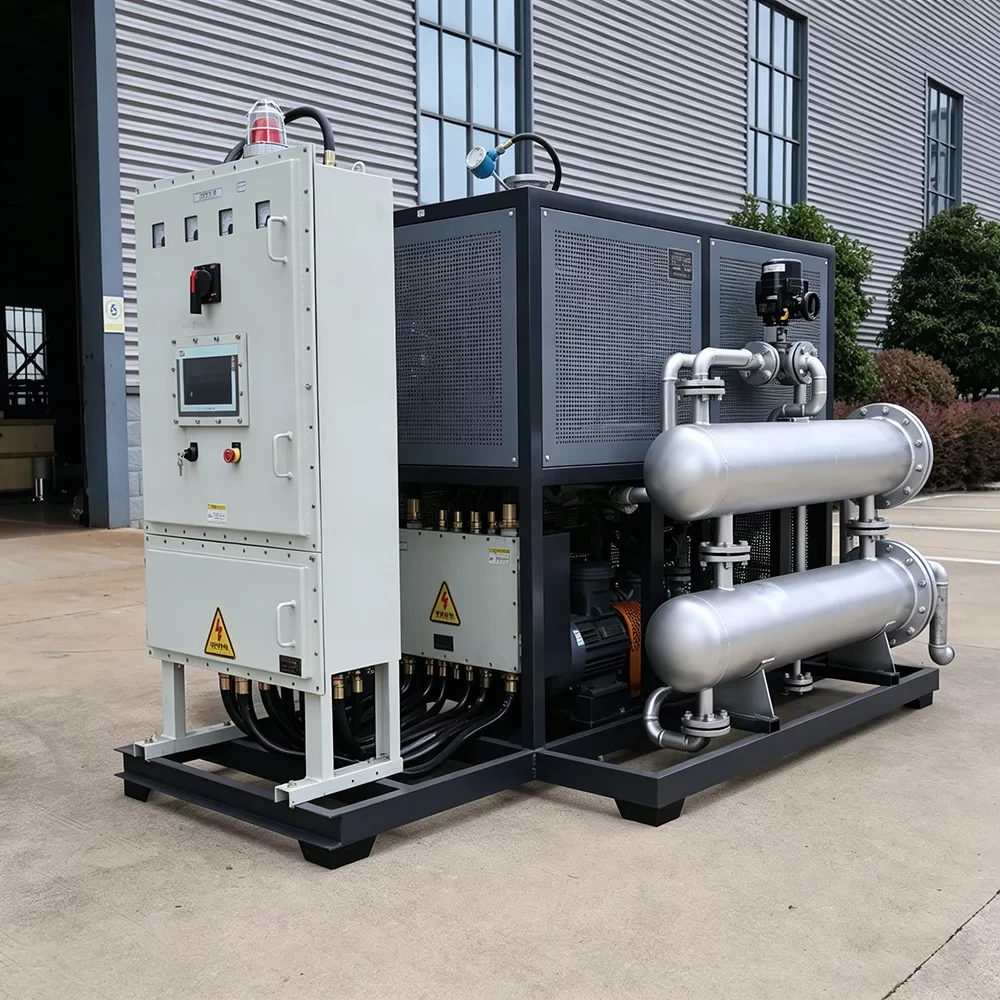
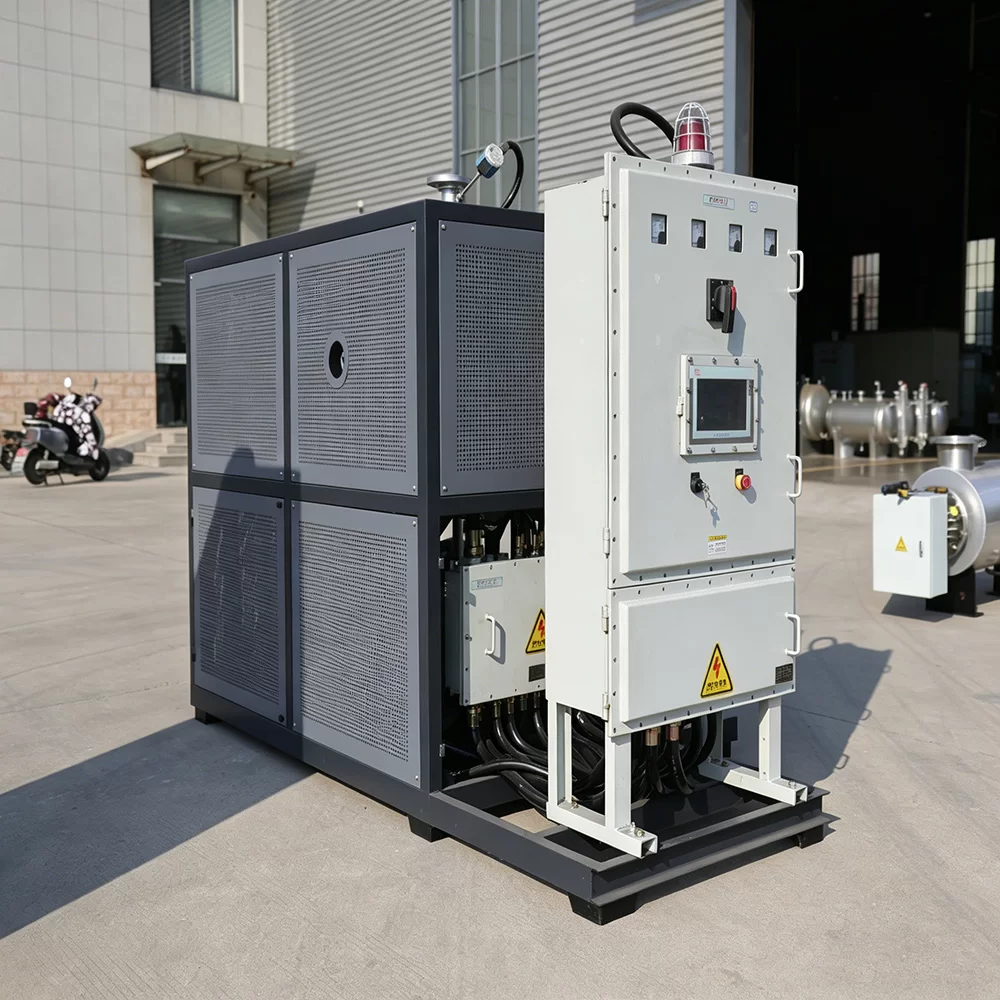
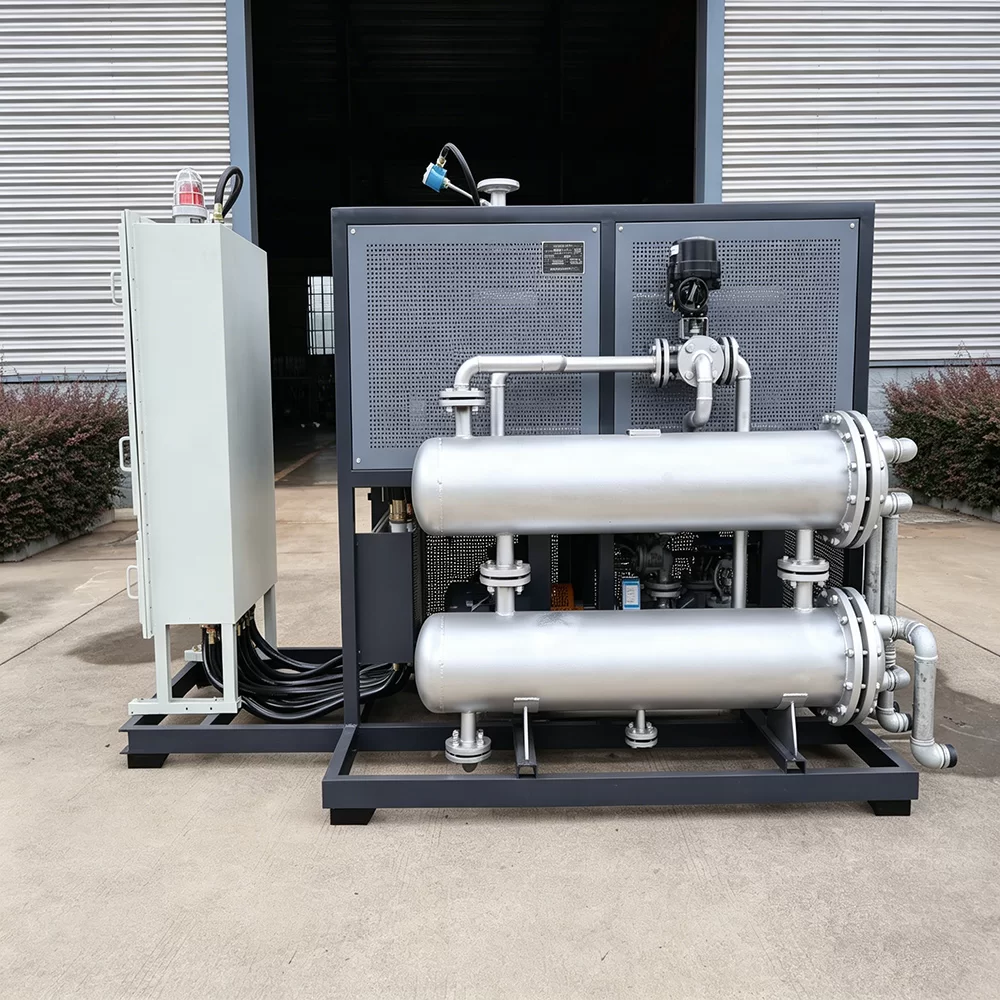
The Electric Thermal Oil Heater with Cooling Function is a high-performance, closed-loop temperature control system engineered for industrial processes that demand rigorous thermal agility. By integrating both heating and cooling capabilities into a single, sophisticated unit, it eliminates the operational lag associated with conventional systems, providing seamless thermal transitions for complex production cycles.
Designed for precision and efficiency, this integrated system utilizes advanced electric heating elements paired with an active cooling circuit. This synergy allows operators to achieve rapid ramp-up and ramp-down phases, ensuring that critical process temperatures are maintained with extreme accuracy, thereby enhancing product quality and reducing cycle times in demanding industrial environments.
| Control Accuracy | ±1°C across full range | Control System | Digital PID with Auto-Tuning |
|---|---|---|---|
| Heating Method | Electric Heating Elements | Cooling Method | Integrated Water/Air Circuit |
| Thermal Medium | Industrial Thermal Oil | Response Speed | Rapid Switching Mode |
| Safety Alarms | Over-temp & Over-pressure | Flow Monitoring | Low-flow Alarm Protection |
| Design Type | Closed-loop Integrated | Footprint | Compact Space-Saving Design |
Combine heating and cooling in one unit, eliminating the need for separate heaters and chillers.
Active cooling enables fast temperature ramp-down, significantly reducing process waiting times.
Achieve industry-leading ±1°C accuracy for sensitive industrial chemical and thermal processes.
Real-time temperature display and digital interface for effortless thermal management.
Designed to recover heat from cooling cycles where applicable to lower overall electricity costs.
Standardized protection against over-temperature, over-pressure, and low-flow conditions.
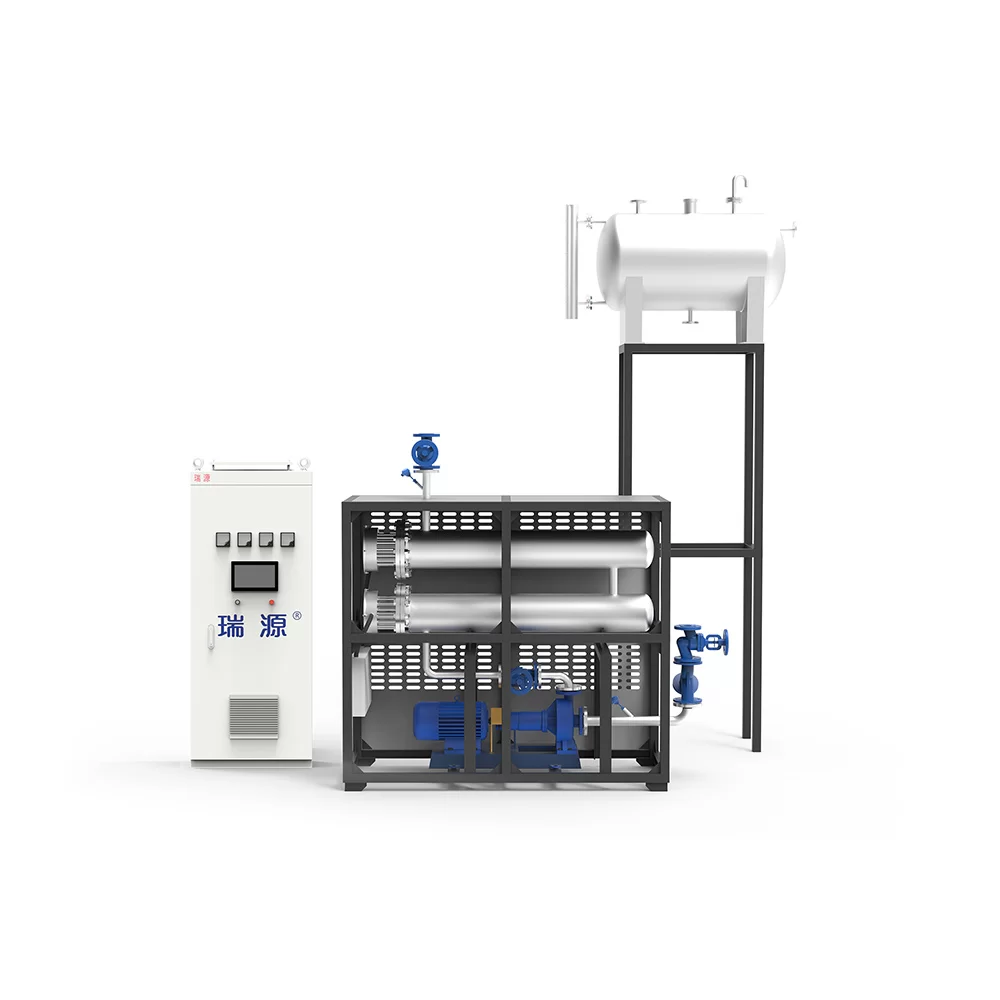
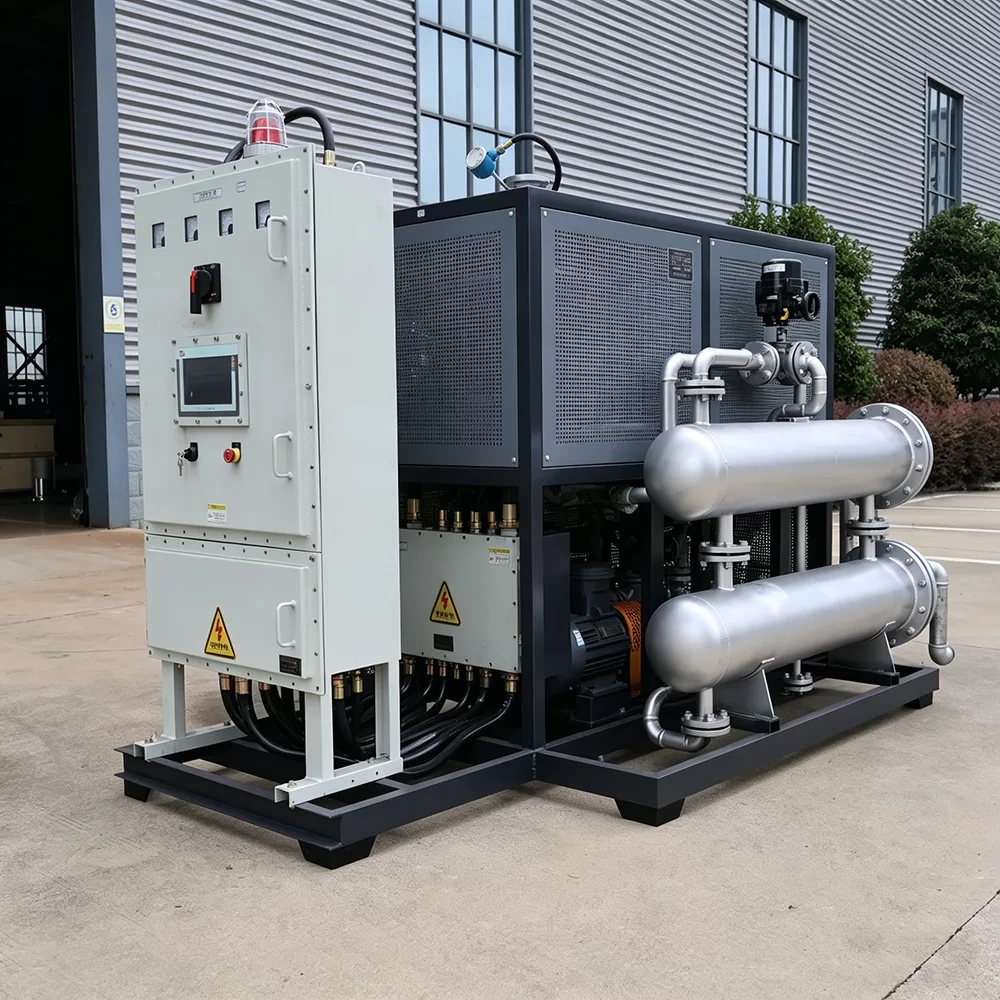
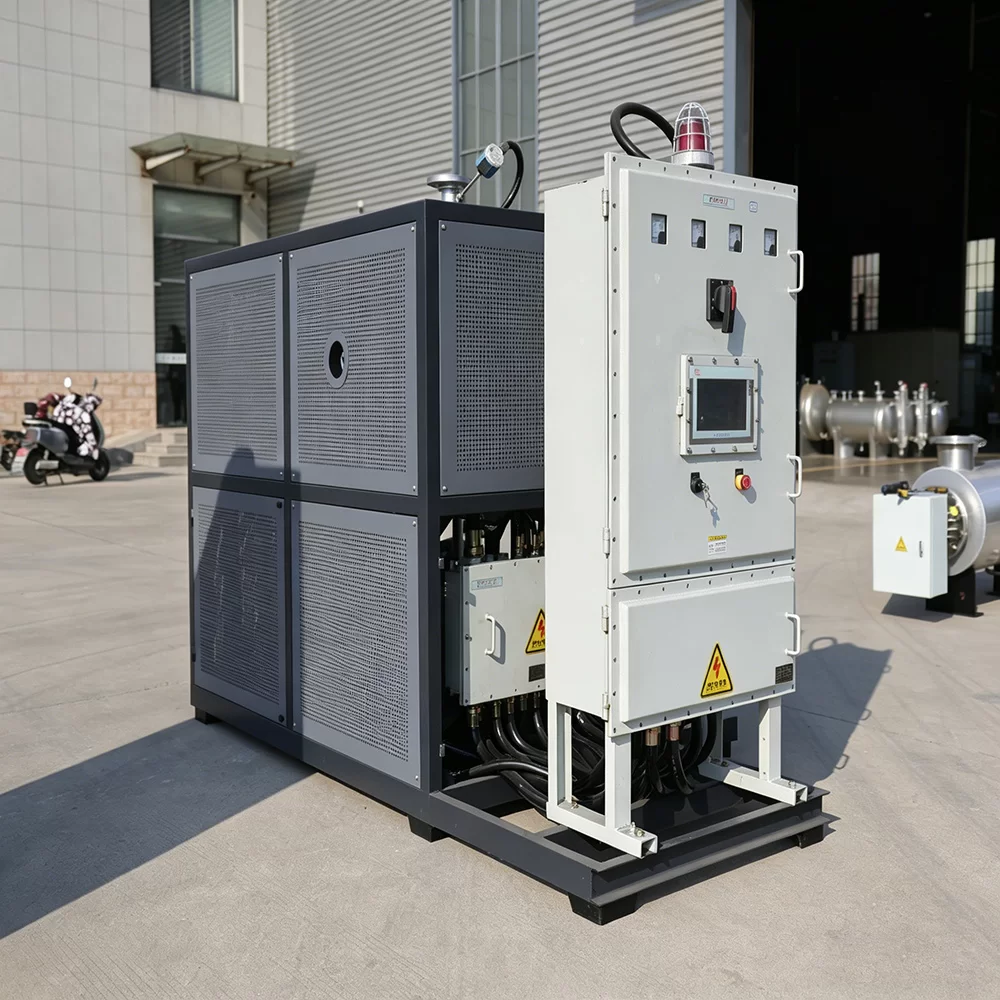
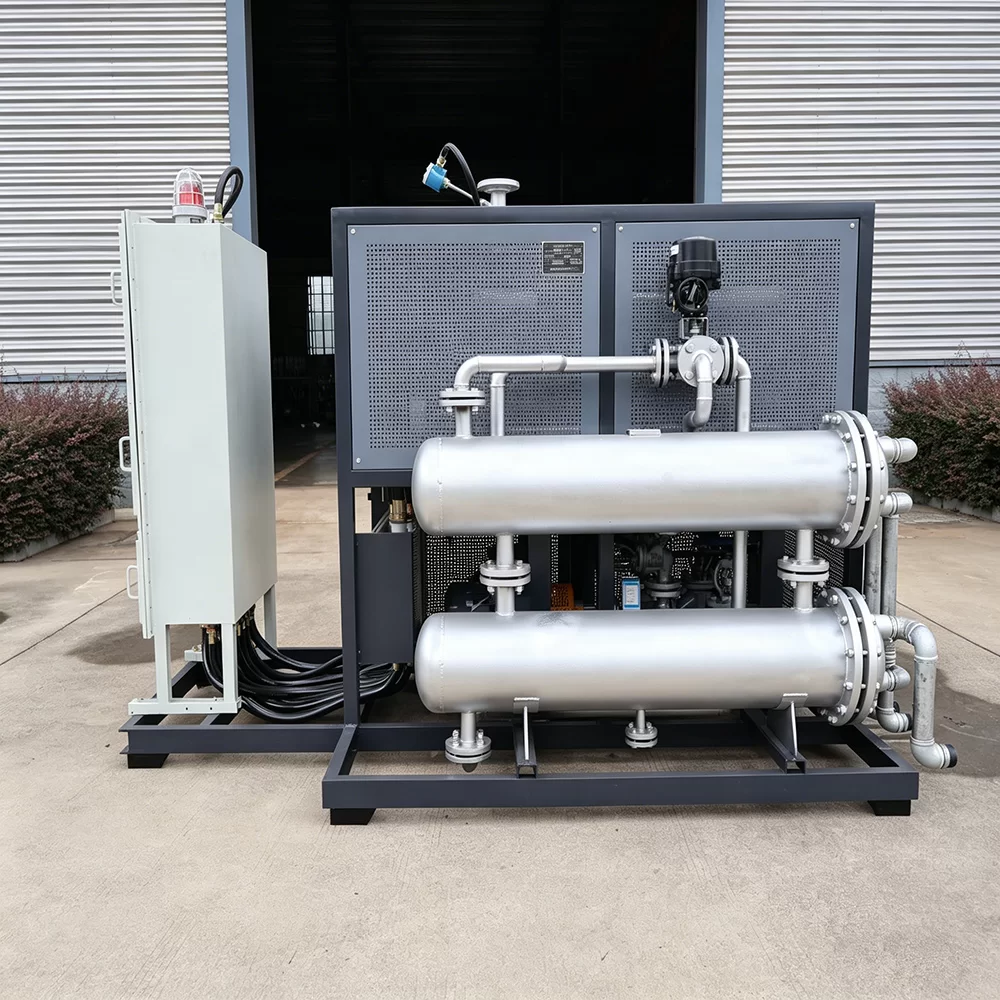
Single interface for managing both heating and cooling circuits simultaneously.
Automatic optimization of temperature curves to match specific process requirements.
Instant notification for low flow or pressure anomalies to prevent downtime.
Integrated emergency shut-off mechanisms for over-temperature protection.
Reduced piping complexity and smaller footprint than separate equipment.
Simplified upkeep through integrated diagnostic tools and easy-access components.
| Comparison Feature | Standard Model | Cooling Function Model |
|---|---|---|
| Heating Capability | Supported | High-Efficiency |
| Active Cooling | Not Available | Rapid Ramp-down |
| Equipment Count | Heater + Separate Chiller | Single Integrated Unit |
| Cycle Time | Slow Natural Cooling | Faster Batch Turnaround |
| Installation Cost | High (Dual Piping) | Low (Unified Piping) |