Explore our leading range of vacuum cleaning furnaces, thermal oil control systems, and process heaters designed for absolute operational reliability.
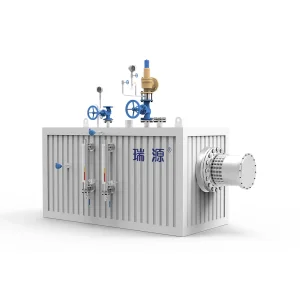
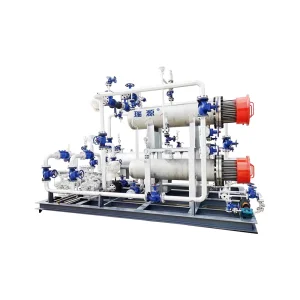
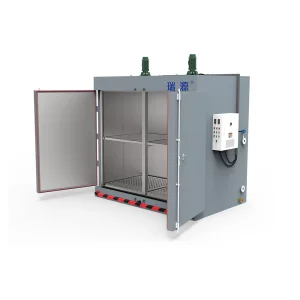
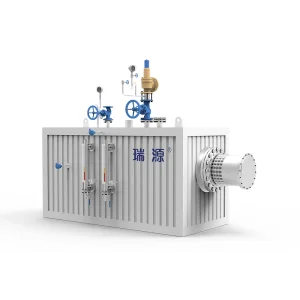
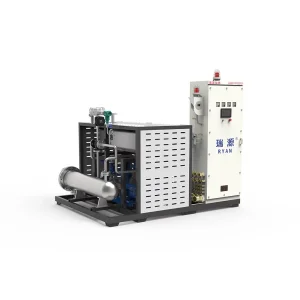
Jiangsu Ruiyuan Heating Equipment Technology Co., Ltd. is a Chinese manufacturing pioneer specializing in the design, production, distribution, and lifecycle support of premium industrial electric heating equipment.
Driven by our corporate philosophy—"Integrity as our foundation, quality as our key to success, keeping pace with the times, and continuous innovation"—we have cemented our status as a trusted global engineering partner. We address complex process requirements across chemical processing, textile manufacturing, food production, and plastics engineering.
Our systems are engineered to resolve four major process hurdles: inaccurate temperature regulation, high-temperature cleaning bottle-necks, sluggish pipeline fluid preheating, and the difficulty of acquiring custom non-standard thermodynamic configurations.
Analyzing key economic and technological dynamics driving thermal system selection in heavy processing industries today.
Industrial operations are transitioning from fossil-fuel-fired thermal fluid heaters to high-capacity, low-emission electric thermal oil systems. This movement is fueled by strict environmental regulations and corporate net-zero initiatives worldwide.
Electric thermal oil boilers offer up to 98% thermal efficiency, eliminate on-site combustion emissions, and simplify regulatory permitting. This makes them the system of choice for modern ESG-compliant manufacturing facilities.
For multinational engineering groups, procurement is highly dependent on compliance and safety verification. Sourcing explosion-proof units for hazardous zones (ATEX, IECEx, or Class I Division 2) is critical.
Ruiyuan design practices meet strict international standards, guaranteeing safe deployment in highly regulated environments.
Our tailored engineering solutions optimize efficiency, ensure precision control, and prolong component lifespans.
Fluctuating temperatures degrade heat transfer media, cause product defects, and reduce energy efficiency.
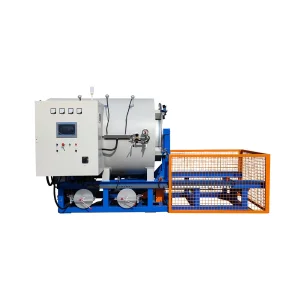
Solution: RYAN TCU systems achieve ±0.5°C precision with advanced cascade control loops and PID controllers, maintaining stable temperature profiles under varying process loads.
Polymer buildup on spinnerets and filters causes defects, reduces production capacity, and shortens equipment life.
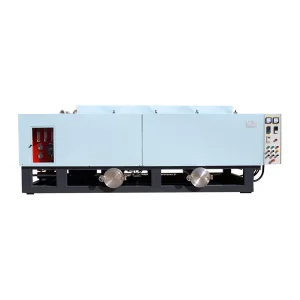
Solution: Our Vacuum Cleaning Furnaces use controlled vacuum pyrolysis to remove stubborn polymers without thermal fatigue or mechanical damage.
Long preheating times and high viscosities in fluid lines slow down production startup and cause process inefficiencies.
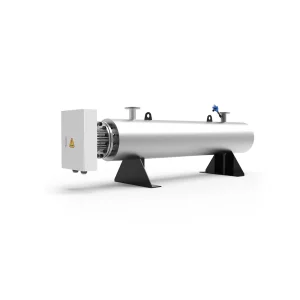
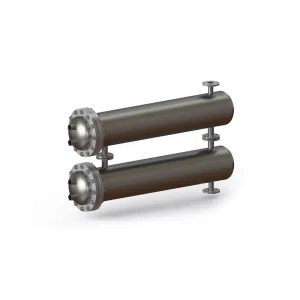
Solution: High-performance electric pipe heaters deliver direct, uniform heat transfer to fluids, enabling rapid startups and stable process flow.
Standard off-the-shelf equipment rarely aligns with legacy physical layouts, proprietary safety standards, or unique process parameters.
Solution: We specialize in custom configurations, engineering bespoke vessels, heating elements, and control skids matching site footprints and process requirements.
A strategic overview of emerging trends in industrial thermal fluid design, process control, and manufacturing.
Integrating IoT sensors into thermal oil boilers enables real-time tracking of fluid degradation, heating element resistance, and flow profiles. Predictive diagnostics identify maintenance needs before component failure occurs.
Transitioning from contactor-based power delivery to SCR (Silicon Controlled Rectifier) arrays. This enables variable power scaling, prevents element thermal shock, and stabilizes temperature control down to ±0.1°C.
Using advanced metallurgical compositions for high-temperature biphenyl steam generators and heat exchangers. This prevents stress corrosion cracking, reduces fouling rates, and increases thermal conductivity.
Bespoke vacuum ovens, high-capacity heat exchangers, and space-saving skid assemblies built to customer specifications.
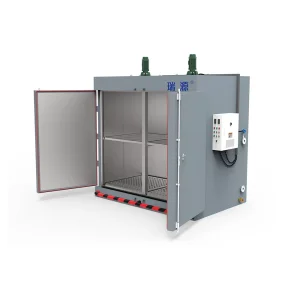
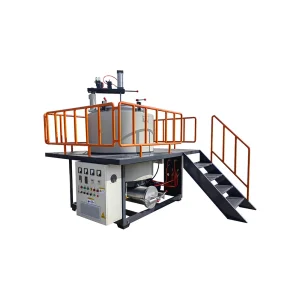
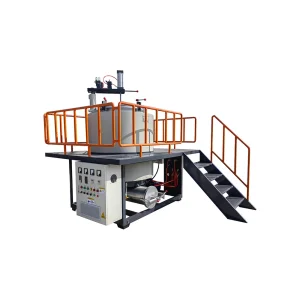
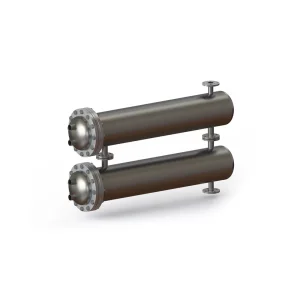
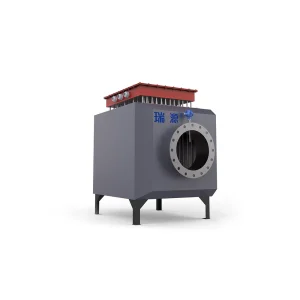
Ensuring smooth installation, commissioning, and regulatory approval in regional markets.
We engineer to major regulatory codes (ASME Section VIII, CE-PED, EAC, and national pressure vessel certificates). This ensures smooth customs clearance and quick on-site regulatory inspections.
Our PLC-SCADA panels support multi-language HMIs (English, Spanish, French, German, Russian, Arabic) and easily integrate with localized DCS architectures like Siemens, Allen-Bradley, and Schneider Electric.
We offer remote diagnostics to keep systems running smoothly. For physical maintenance and calibration, our network of regional partners provides rapid on-site field support.
Expert answers to common questions about thermal fluid selection, operation, maintenance, and compliance.
Unlike water-based steam systems, thermal fluid boilers operate in a liquid phase at high temperatures (up to 350°C) under minimal system pressures (typically below 10 bar).
This eliminates high-pressure safety risks, removes the need for chemical water treatment, and prevents corrosion. It also lowers structural costs and simplifies operations, as licensed boiler operators are generally not required.
Vacuum cleaning furnaces use vacuum pyrolysis to decompose polymers under high temperatures and reduced pressure.
This process turns complex polymers into light gases and carbon soot, which are then carried away. It provides a thorough clean without risking the mechanical distortion or micro-structural damage associated with salt baths, open-flame burning, or chemical solvent washing.
Many synthetic chemical reactions and fiber extrusion processes are highly sensitive to thermal variation. Temperature fluctuations can lead to off-spec products, polymer degradation, or poor draw ratios in fibers.
Our Temperature Control Units (TCU) deliver ±0.5°C control. This maintains product consistency, minimizes chemical degradation, and optimizes throughput.
Thermal oil degrades if local temperatures exceed the fluid's thermal stability limit. This forms carbon deposits on the heating elements, which can cause element failure.
We address this by designing heaters with a low watt-density and optimized flow paths. By keeping fluid velocities high and film temperatures low, we prevent degradation and maximize element and oil lifespans.
Yes, custom engineering is a core focus for Jiangsu Ruiyuan. Over 40% of our production consists of tailored equipment.
We design components to match your exact spatial constraints, electrical ratings, pipe dimensions, and control configurations. This ensures seamless integration with your existing process lines.
Our explosion-proof heaters utilize flameproof (Ex d) or increased safety (Ex e) terminal enclosures, ATEX-certified safety controls, and dual-level thermocouple probes to prevent overheating.
We isolate potential ignition sources to ensure safe, compliant operation in areas where combustible vapors are present.