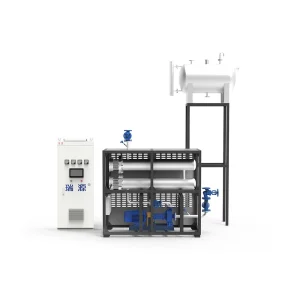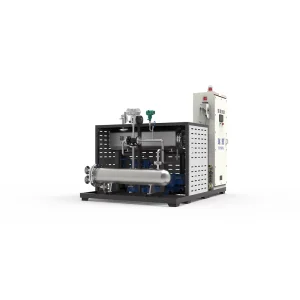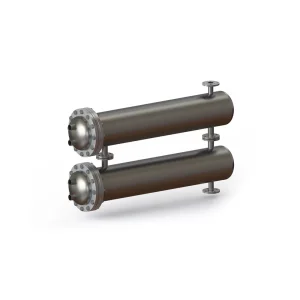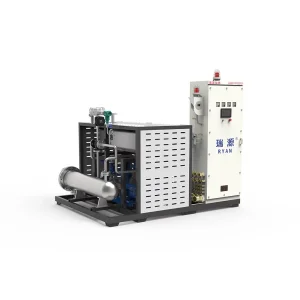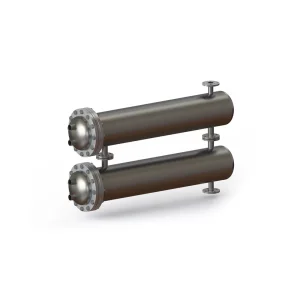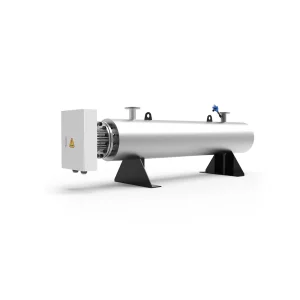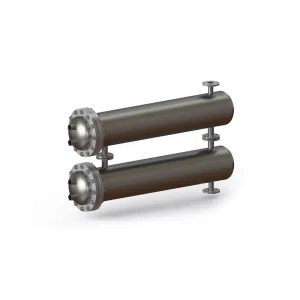
Explore our elite selection of industrial thermal oil and process heaters, optimized to meet Osaka’s rigorous standards for efficiency, stability, and cleanroom operation.
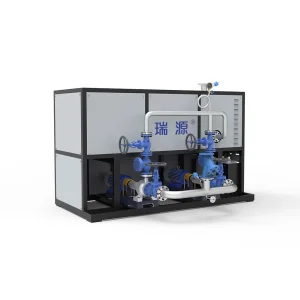
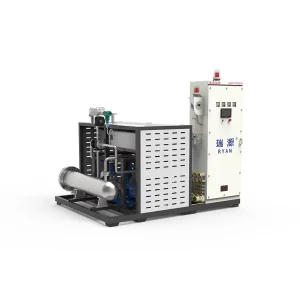
The Hanshin Industrial Region, centered around Osaka, has long been a powerhouse of Japanese manufacturing. Over the decades, Osaka’s industrial focus has shifted from heavy raw material processing to high-value high-precision sectors, including advanced chemicals, pharmaceuticals, battery materials, electronics components, and high-performance synthetic polymers. This transition has dramatically redefined the region's thermal energy requirements.
Traditional steam boilers, while robust, present significant limitations in modern precision lines. Steam requires extreme pressures to achieve high temperatures, creating mechanical safety risks and complex infrastructure footprints. To resolve this, Osaka's leading chemical synthesis plants, cleanroom equipment developers, and high-spec production lines are rapidly adopting electric thermal oil heaters (organic fluid heat transfer systems). These systems deliver ultra-precise temperature regulation at high operating temperatures (often exceeding 300°C) under minimal pressure, ensuring both facility safety and consistent material properties.
Under Japan's commitment to achieving carbon neutrality by 2050, local municipal guidelines in Osaka are putting immense pressure on factories to reduce scope 1 carbon emissions. Eliminating gas-fired, coal-fired, or heavy fuel oil-burning boilers is a top priority. Clean electric thermal oil heaters represent a direct path to decarbonization. When coupled with renewable energy sources, electric thermal fluid systems operate with zero localized greenhouse gas emissions, maintaining exceptionally high thermal efficiency (often exceeding 98%).
As global supply chains face increasing disruptions, Japanese procurement teams are looking beyond traditional domestic sourcing to build agile, resilient supply networks. Jiangsu Ruiyuan Heating Equipment Technology Co., Ltd. stands at the intersection of this shift, providing world-class process heating technology developed within China’s highly optimized Industry 4.0 ecosystem.
By blending thirty years of boiler and electric heater R&D with advanced digital manufacturing technologies, Ruiyuan guarantees unmatched product consistency, speed of delivery, and cost-to-performance efficiency. Our smart factories utilize automated high-precision welding robots, advanced CNC machining, non-destructive ultrasonic testing, and integrated quality control systems. This allows us to supply certified heating solutions that match or exceed domestic Japanese quality standards, but with the rapid turnaround and economic efficiency of China’s mature industrial supply chain.
In partnering with international enterprises, we focus on eliminating the four fundamental pain points that disrupt factory efficiency and product yields:
Fluctuating heat cycles degrade polymer quality. Our TCU systems ensure strict ±0.5°C control for sensitive reactions.
Traditional chemical solvents are hazardous. Our Vacuum Calcination ovens remove polymers cleanly and safely.
Cold blockages stop flow. We provide tailored pipeline tracing and heavy-duty pipe heaters for uniform viscosity control.
Off-the-shelf boilers rarely fit unique layouts. We specialize in custom-engineered, skid-mounted heating and cooling setups.
Our engineering team can design custom thermal oil heaters, skid units, and vacuum ovens tailored to your exact mechanical and spatial requirements.
Send Inquiry NowTo demonstrate the versatility of our thermal fluid solutions, here is how our systems integrate into Osaka’s specific industrial landscape:
Osaka’s chemical corridor requires explosion-proof reactors that maintain high temperatures during polymer synthesis, while preventing localized fluid degradation. Our Explosion-Proof Electric Thermal Oil Boilers are designed with certified flameproof enclosures (Ex d IIB T4 or higher), enabling safe operation directly next to chemical reactors. Combined with dual-circuit heating/cooling controls, they allow rapid exothermic reaction tempering without thermal lag.
In the manufacture of electronic substrates and ceramic components, cleanroom integrity is paramount. Standard heating units that burn fossil fuels or rely on fluid-exposed elements are unusable due to particle contamination. Our Cleanroom Air Duct Heaters and high-performance Vacuum Calcination Furnaces are engineered with stainless steel casings and high-efficiency filtration interfaces to operate cleanly without releasing airborne particulate matter.
Osaka-based advanced fiber manufacturers require uniform heat across spinnerets and spinning beams. If temperatures drop by even 2°C, synthetic yarn thickness becomes irregular. Our Biphenyl Steam Generators and specialized organic fluid heat exchangers ensure uniform gas-phase or liquid-phase heat distribution across all tooling surfaces, ensuring zero-defect extrusion runs.
Expert answers regarding efficiency, safety compliance, and custom design of industrial thermal oil heating systems.
Electric thermal oil heaters operate using organic heat transfer fluids that remain liquid at temperatures up to 350°C. Because the fluid does not vaporize, the operating pressure is virtually atmospheric (typically under 0.3-0.5 MPa, representing just the pump discharge pressure). In contrast, a steam boiler must run at pressures exceeding 15 MPa to reach temperatures above 300°C. By eliminating high-pressure steam, plants significantly reduce the risk of structural failure, explosion, and water treatment costs, while simplifying structural safety compliance under Japanese High-Pressure Gas Safety Act regulations.
All industrial equipment destined for the Japanese market is constructed according to local safety codes, including JIS (Japanese Industrial Standards) and relevant electrical safety compliance guidelines. For pressure vessels, we coordinate with accredited third-party inspection bodies to verify design calculations, material certificates, and pressure testing data. Furthermore, our control panels can be fitted with components complying with METI/PSE specifications, and electrical systems are fully adapted to the Japanese standard voltages (e.g., 3-phase 200V/220V, 50Hz/60Hz).
Our advanced TCUs utilize proportional-integral-derivative (PID) controllers linked with solid-state relays (SSRs) or thyristor power controllers (SCRs) to regulate electrical output continuously. Under stable operating loads, this enables temperature stabilization to within ±0.5°C. For processes requiring dynamic heat cycles (such as rapid reaction ramping followed by immediate cooling), we integrate secondary heat exchangers linked to localized chilling loops to prevent thermal overshoot.
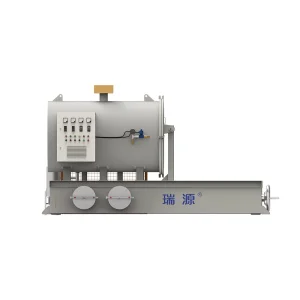
Vacuum Calcination Furnaces are designed to clean polymer residues off industrial tooling such as spinnerets, extrusion dies, and filter plates. The process works by placing the contaminated parts inside a vacuum chamber and heating it to temperatures around 400°C to 500°C. In the absence of high oxygen concentrations, the polymers decompose via thermal pyrolysis rather than combustion. The resulting organic vapors are drawn off and oxidized in an afterburner, leaving the metal parts clean without causing thermal warping or mechanical damage associated with traditional mechanical or chemical cleaning.
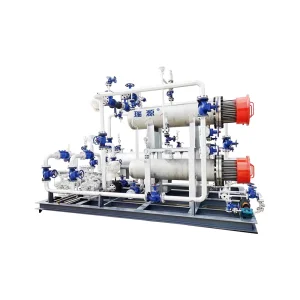
Skid-mounted systems integrate the electric heater, expansion tank, circulation pump, valves, piping, sensors, and control panels on a single steel frame. This design is fully tested and pre-wired at our factory prior to shipment. For buyers in Osaka, this minimizes complex installation and pipework on-site, reduces the engineering footprint inside the facility, and shortens the commissioning phase from weeks to days, significantly lowering overall project costs.
Select from our full line of industrial thermal management systems, engineered to standard and non-standard specifications for global factories.
“Integrity as our foundation, quality as our key to success, keeping pace with the times, and continuous innovation.”
Jiangsu Ruiyuan Heating Equipment Technology Co., Ltd. is a Chinese manufacturing pioneer specializing in the research, development, production, global sale, and after-sales service of process heating technologies. With over 30 years of engineering experience in industrial boiler R&D, our expertise spans electric thermal oil heaters, vacuum cleaning furnaces, heavy-duty air heaters, biphenyl steam generators, and specialized heating accessories.
We partner with industrial enterprises globally to systematically address four operational challenges: inaccurate heating and temperature control, complex cleaning of polymer production parts, sluggish pipeline heat tracing, and the struggle to secure reliable custom-designed process equipment. By combining strict quality control with responsive engineering support, we provide solutions that drive industrial efficiency worldwide.