Precision-engineered industrial heating systems configured to meet the rugged geographic demands and voltage requirements of the Lesotho industrial corridor.
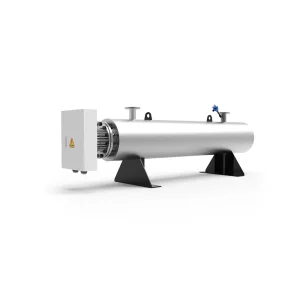
Optimized for asphalt, fuel oil, and heavy crude transport lines running through cold mountain passes.
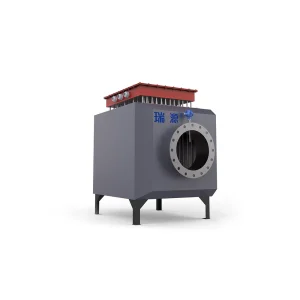
Heavy-duty forced-air duct heating assemblies engineered for industrial space conditioning and drying tunnels.
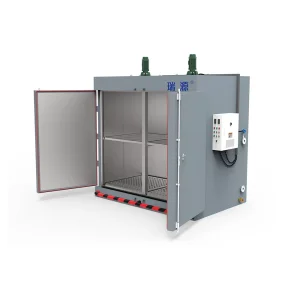
Engineered specifically for uniform curing in textile, rubber, and composite manufacturing lines.
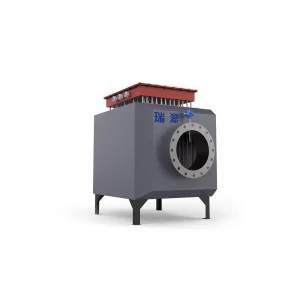
High-precision multi-stage elements designed to handle high mass flow rates in sub-zero alpine conditions.
Lesotho, geographically enclaved by South Africa, presents a unique and challenging operational environment for process heating engineering. Operating at altitudes starting from 1,400 meters to over 3,000 meters above sea level (the "Kingdom in the Sky"), the country encounters cold mountain winters. This high-altitude, low-ambient-temperature geography creates demanding conditions for maintaining fluid dynamics in industrial lines and thermal efficiency in production environments.
Historically, the country’s manufacturing base, heavily concentrated in the industrial hubs of Maseru and Maputsoe, has been propelled by the garment and textile industry. Under the influence of the African Growth and Opportunity Act (AGOA), Lesotho has developed into one of Sub-Saharan Africa’s largest apparel exporters. Thermal processing—specifically hot water generation, textile drying, heat-setting, and polymer curing—stands as a primary utility cost for these facilities. As global brands tighten environmental audit metrics, these factories are compelled to transition away from inefficient coal or heavy fuel oil (HFO) boilers toward localized, clean electric thermal oil heaters and duct heating systems.
Simultaneously, the diamond mining sector—featuring world-class operations such as the Letseng, Kao, and Liqhobong mines—requires highly robust, winterized, and often explosion-proof heating systems. In these mountainous mining terrains, ambient temperatures frequently plunge below freezing. Maintaining low viscosity in diesel fuel, hydraulic systems, and process slurry lines is a major operating hurdle that demands highly reliable electric circulation and pipeline heat trace systems.
A transition is actively underway across Lesotho's manufacturing hubs. Below is the current shift in thermal technology adoption:
Due to low atmospheric pressure at high altitudes, combustion systems (gas/coal) suffer from oxygen deficiency, resulting in incomplete combustion and significant efficiency drop. Electric heating systems do not rely on air combustion, ensuring 100% thermal conversion efficiency at any altitude.
High-capacity thermal oil equipment and specialized polymer-cleaning vacuum ovens engineered for continuous production environments.
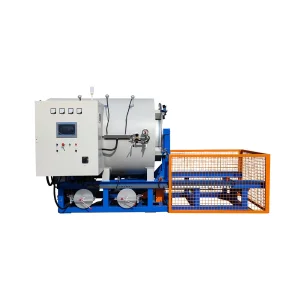
Designed for thermal cleaning of spinneret packs, filters, and extruder screws in synthetic textile production.
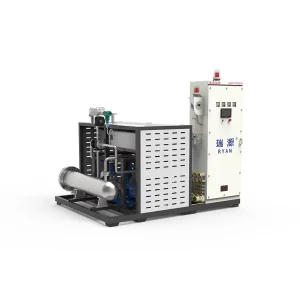
ATEX/IECEx/CNEx certified circulation systems for hazardous mining or chemical environments.
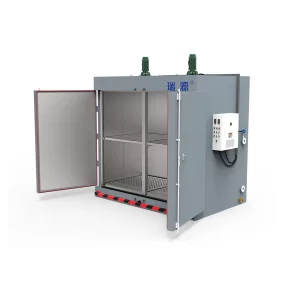
High-uniformity industrial ovens configured with secondary fluid loops for precise temperature profile control.
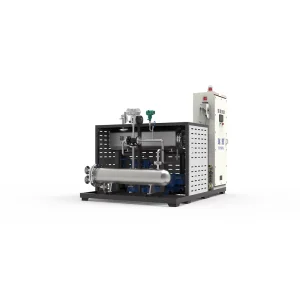
Integrated skid solution featuring expansion tanks, circulation pumps, control panels, and heater blocks.
Analyzing critical heat distribution problems faced by industries in Maseru, Mafeteng, and the highlands.
Textile mills in Maseru require dry, stable heat sources for stenter frames and polymerization ovens. Temperature variance across a 3-meter wide fabric line must not exceed ±1.5°C to avoid color shading and shrinkage defects. Traditional steam heating exhibits pressure fluctuations; swapping to a closed-loop thermal oil oven allows constant temperatures up to 250°C without high system pressures.
Letseng diamond mine operates under freezing atmospheric conditions. Heavy fuel oils and diesel storage systems require robust circulation heaters. RYAN electric inline pipe heaters maintain optimal fluid viscosity to prevent cavitation in injection pumps and fuel solidifying in exposed transport loops.
Textile mills and packaging manufacturing plants experience carbonized polymer buildup on expensive dies and spinnerets. Mechanical scraping damages precision channels. Jiangsu Ruiyuan’s vacuum cleaning furnaces degrade polymers under low pressure, restoring components without thermal stress or structural deformation.
Jiangsu Ruiyuan Heating Equipment Technology Co., Ltd. represents the absolute tier of Chinese precision engineering, combining over 30 years of Boiler R&D and manufacturing expertise. Under the corporate culture of "integrity as our foundation, quality as our key to success, keeping pace with the times, and continuous innovation", Ruiyuan has integrated its industrial supply chain to resolve the most critical operational bottlenecks for international clients.
Industrial operations in Lesotho face four major challenges when sourcing custom process heating systems:
100% of high-pressure fluid lines and shell welds undergo X-ray testing to eliminate micro-fracture risks under thermal cycles.
Pressure vessels are tested at 1.5x nominal rating to guarantee structural stability for high-temperature thermal fluids.
Elements are insulation-tested at high voltages to verify zero current leakage before shipment.
Aligning Lesotho’s manufacturing sector with global sustainability targets through electrical process heating.
Lesotho holds a distinct carbon-reduction advantage: the Lesotho Highlands Water Project (LHWP) generates reliable, clean hydroelectricity at the Muela Hydropower Station. By running electric thermal oil boilers instead of coal or diesel, factories can utilize zero-carbon electricity for their high-temperature processes.
This path matches the strict ESG demands of global apparel retailers. Transitioning from fossil fuel combustion to direct electrical resistance heating yields major process benefits:
Ruiyuan systems integrate Modbus RTU or Profinet interfaces, letting plant engineers monitor heater element temperatures, inlet/outlet flow rates, and oil degradation markers from remote locations.
Equipped with dual-channel over-temperature limiters, low-flow pressure switches, and safety valves to prevent oil cracking, mechanical failure, or electric element dry-firing.
Manufactured to meet international code guidelines including ASME Section VIII Division 1, European CE directives, and South African national standards (SANS).
Explore our full line of industrial heaters, heat exchangers, and vacuum ovens for demanding manufacturing environments.
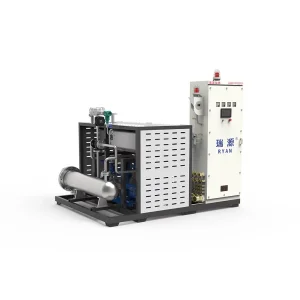
Industrial-grade high-capacity electric boilers equipped with explosion-proof terminal boxes.
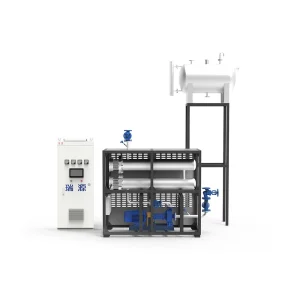
Features dual heating and cooling circuits for exothermic chemical reaction processes.
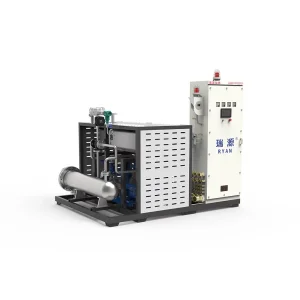
High-output customized boilers built for safe application in mines and gas plants.
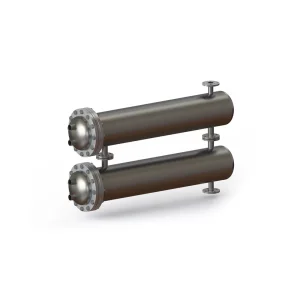
Optimized surface-area configurations to recover heat from exhaust gas or liquid loops.
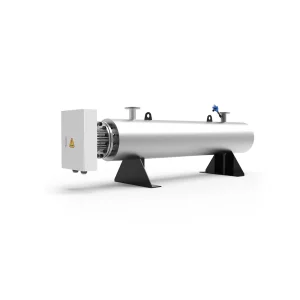
Inline circulation heating elements designed for viscous fluids, process water, and gases.
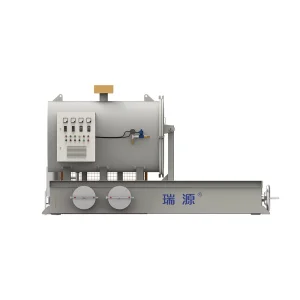
Vacuum pyrolysis chamber designed for clean degradation of polymer residues on extrusion tooling.
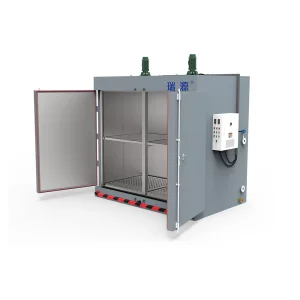
Custom engineered high-temperature convective drying and curing oven systems.
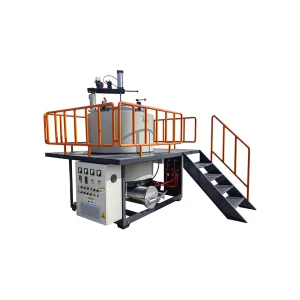
Vertical footprint configuration built for tall extrusion heads and spin pack assemblies.
Navigating the supply chain route into enclaved Southern African countries requires deep logistic experience. Jiangsu Ruiyuan has established dedicated transport and commissioning pathways to ensure the safe delivery and operation of heavy process equipment in Lesotho.
Our typical logistical flow is structured to eliminate delays and minimize port handling risks:
Ocean Freight: Secure shipment from Shanghai Port to the Port of Durban, South Africa using moisture-barrier sea packaging and steel bracing inside containers.
Overland Customs Transit: Transport via the Durban-to-Maseru logistics corridor (N3/N5 road networks) through border checkpoints like Maseru Bridge or Maputsoe (Ficksburg) Bridge.
On-site Technical Services: Dispatch of specialized engineers for installation supervision, piping alignment verification, electrical system connection, and final commissioning.
Technical solutions to common operational and installation challenges faced by engineers in Southern Africa.
Consult directly with our engineering team to solve your thermal control challenges, size your heater elements, or design custom skid units.