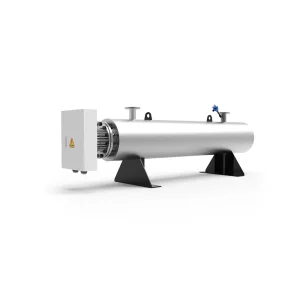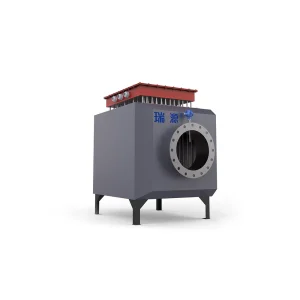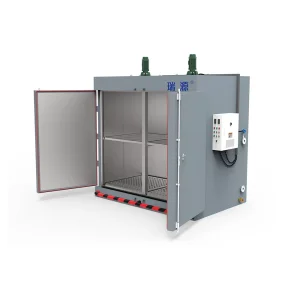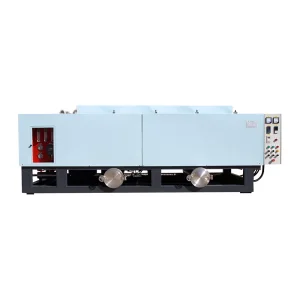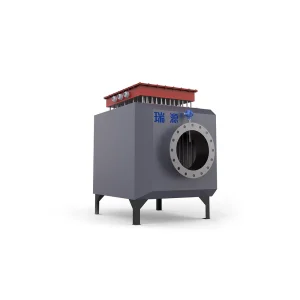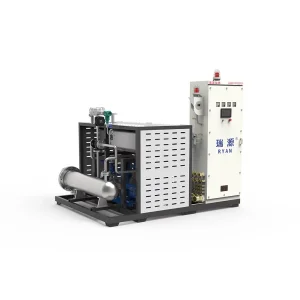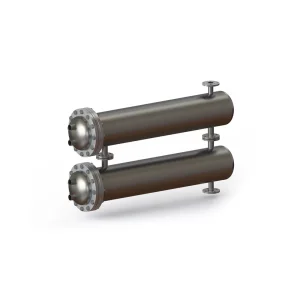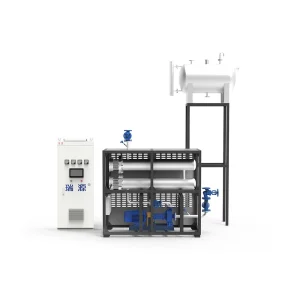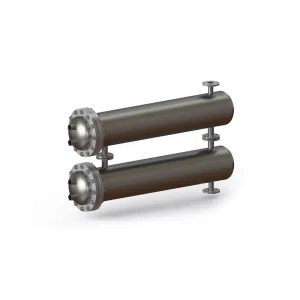
New Zealand's industrial landscape is uniquely characterized by its commitment to sustainability, high safety standards, and geographic isolation, which demands robust and reliable equipment. As a premier pressure vessel manufacturer and supplier in New Zealand, we recognize that the local market is governed by the Health and Safety at Work (Hazardous Equipment) Regulations and the PECPR (Pressure Equipment, Cranes, and Passenger Ropeways) framework.
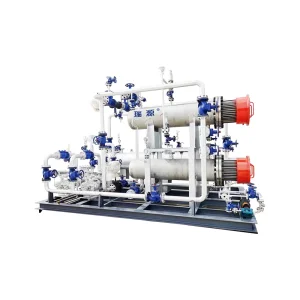
From the dairy processing plants in Waikato to the geothermal energy sites in the Bay of Plenty, the demand for high-integrity pressure vessels and industrial heating systems has never been higher. The transition towards electrification in process heat is a major trend in NZ, driven by the government's decarbonization goals. Our electric thermal oil heaters and duct heaters are specifically designed to help NZ enterprises move away from coal and gas, providing a cleaner, more efficient technical route.
Years of R&D Excellence
PECPR Compliance Ready
Emission Electric Options
Global Technical Support
Globally, the pressure vessel and industrial heating industry is undergoing a digital transformation. We are integrating AI-driven predictive maintenance and IoT sensors into our equipment to allow real-time monitoring of pressure, temperature, and material fatigue. This "Industry 4.0" approach ensures that manufacturers can avoid unscheduled downtime and optimize energy consumption.
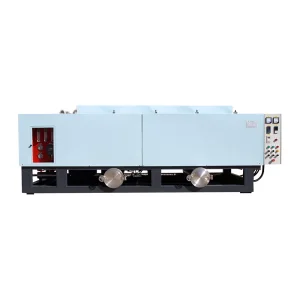
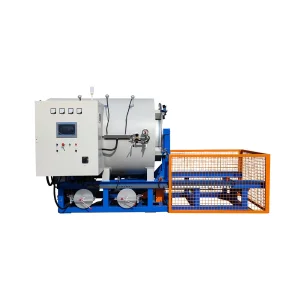
Furthermore, the global focus on the circular economy has increased the demand for vacuum cleaning furnaces. These systems are essential for removing polymer residues from metal parts without using harsh chemicals, a solution that aligns perfectly with New Zealand’s "Clean Green" image. Our horizontal and vertical vacuum cleaning furnaces lead the market in polymer removal efficiency.
Precise temperature control for pasteurization and spray drying using our high-precision electric duct heaters and thermal oil systems in regions like Taranaki and Southland.
Pressure vessels designed for high-corrosion environments and thermal oil heat exchangers utilized in secondary loop systems in the Taupo Volcanic Zone.
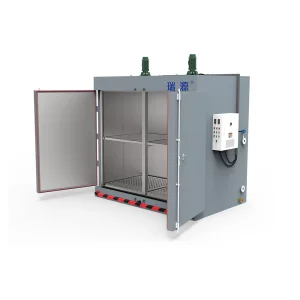
Advanced thermal oil-heated ovens for timber drying and modification, ensuring uniform heat distribution and energy efficiency for NZ's massive forestry sector.
At Jiangsu Ruiyuan Heating Equipment Technology Co., Ltd., we don't just sell hardware; we provide systemic solutions for the most complex thermal challenges:
The next decade of industrial heating in New Zealand will be defined by Hydrogen-ready vessels and Hybrid Heating Systems. Our R&D team is currently focusing on biphenyl steam generators and explosion-proof electric boilers that can integrate with renewable energy microgrids (Solar/Wind). This ensures that your investment today remains relevant as NZ moves toward a 100% renewable electricity grid by 2030.
Jiangsu Ruiyuan Heating Equipment Technology Co., Ltd. is a Chinese manufacturing company specializing in research and development, production, sales and after-sales service. Our corporate culture and business philosophy are built on ‘integrity as our foundation, quality as our key to success, keeping pace with the times, and continuous innovation’.
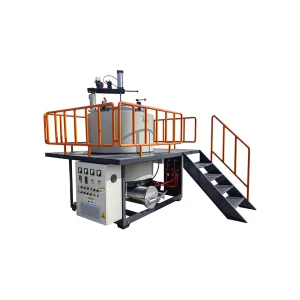
With over 30 years of experience in boiler R&D and manufacturing, Ruiyuan specializes in industrial electric heating equipment. Its product range includes electric thermal oil heaters, vacuum cleaning furnaces, air heaters, biphenyl steam generator, and related accessories.
We primarily assist customers in resolving four key challenges: inaccurate heating and temperature control, difficulties in high-temperature cleaning, slow pipeline heating, and challenges in sourcing non-standard equipment.
Yes. All our equipment can be engineered to comply with AS/NZS 1200 and PECPR regulations. We provide comprehensive documentation, including material certificates, weld procedures, and NDT reports required by NZ independent verifiers.
Electric systems offer up to 98% efficiency, require no flue stacks, and significantly reduce carbon taxes under NZ's Emissions Trading Scheme. They also provide much more precise temperature control (+/- 1°C).
Depending on complexity, design and manufacturing typically take 8-12 weeks, with sea freight adding 3-4 weeks. We offer expedited engineering for urgent replacement projects.
By using vacuum and heat, polymers are decomposed and removed without mechanical damage or oxidation of expensive metal parts (like spinnerets or extruder screws), extending the lifespan of your production hardware.