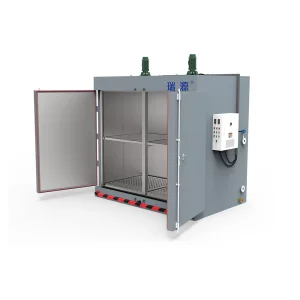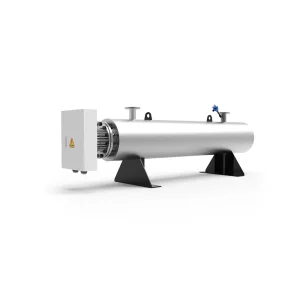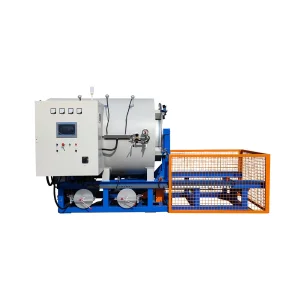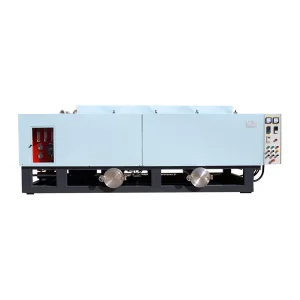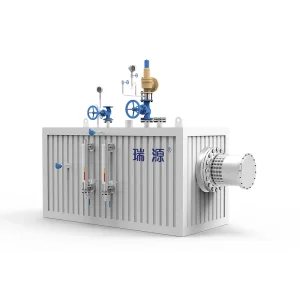
Explore our flagship, CE-compliant thermal systems engineered for maximum heat transfer efficiency and process safety.
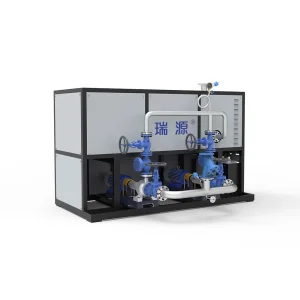
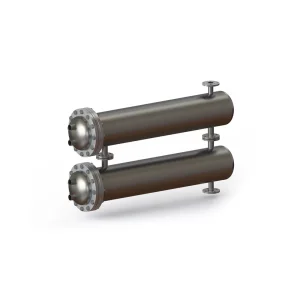
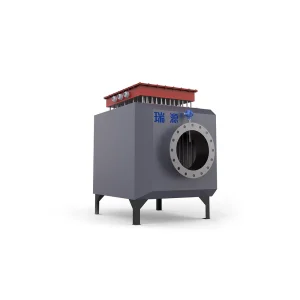
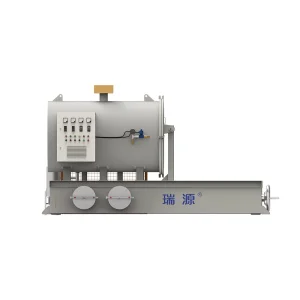
Modern process manufacturing demands highly reliable, thermodynamically optimized, and certified safe thermal heating media. A CE Certified thermal oil heating system design ensures that system architectures, pressure vessel components, control loops, and electrical safety standards align with the European Union’s rigorous Pressure Equipment Directive (PED 2014/68/EU) and Machinery Directive (2006/42/EC). Unlike steam systems that run at extremely high pressures to reach high temperatures, thermal fluid systems utilize organic or synthetic oils to deliver high-temperature heat transfer at near-atmospheric operating pressures.
This fundamental safety and thermodynamic efficiency make thermal oil heating system design the standard choice for petrochemicals, polymer processing, heavy asphalt transport, chemical synthesis, and clean energy applications. As a leading manufacturer and exporter, Jiangsu Ruiyuan Heating Equipment Technology Co., Ltd. incorporates over 30 years of engineering expertise into every custom system. Our focus remains on delivering high heat transfer coefficients while mitigating oil degradation, thermal stress, and energy losses across the production cycle.
Global procurement teams and EPC contractors face recurring issues during project execution and operational phases. Ruiyuan specializes in identifying and resolving these critical failure points through meticulous component design and advanced system integration:
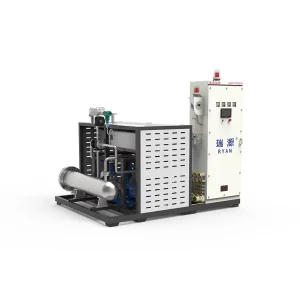
Precise temperature maintenance is critical. Ruiyuan resolves this with multi-loop PID controllers, thyristor (SCR) power switches, and continuous thermal feedback, guaranteeing control accuracy down to ±0.5°C.
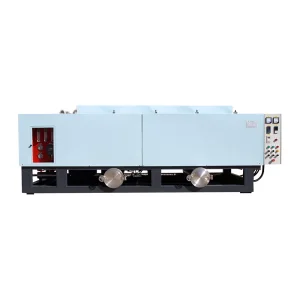
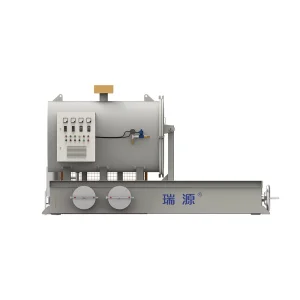
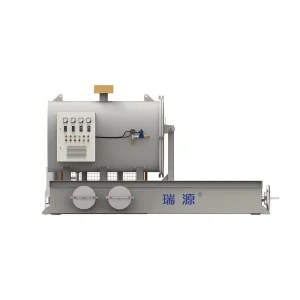
Removing hardened polymers (PET, Nylon, PBT) from mechanical parts is hazardous. Our vacuum calcination and thermal cleaning furnaces clean parts under low pressure, preventing metal fatigue and thermal damage.
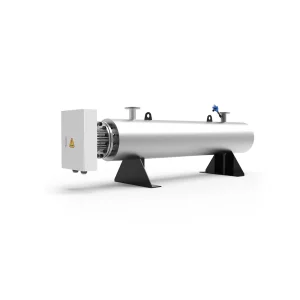
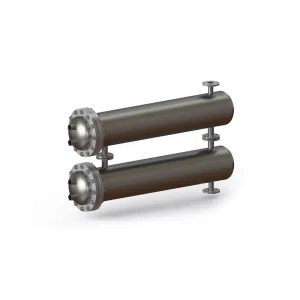
Viscous media like heavy oils or bitumen can freeze pipelines. Our custom-designed electric pipe heaters provide uniform watt-density heat distribution, eliminating cold spots and preventing media crystallization.
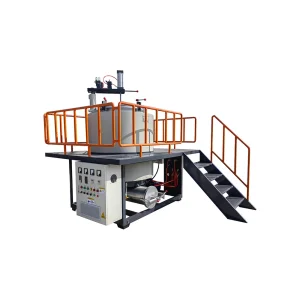
Standard thermal packages fail to accommodate unique space constraints, complex process curves, or dual-medium heating loops. Ruiyuan operates a dedicated non-standard engineering department. Every system, from footprint layouts to electrical automation panels, is modeled in 3D using finite element analysis (FEA) and fluid flow computational software to match exact client requirements.
As the industry shifts toward carbon neutrality, the technology route selected for heat generation determines both operational compliance and efficiency. The table below details key performance vectors for plant planners:
| Performance Metrics | Electric Thermal Oil Heaters (Ruiyuan System) | Direct-Fired Gas/Oil Burners | Steam Boilers (Traditional alternative) |
|---|---|---|---|
| Thermal Efficiency | 98% + | 75% - 85% | 65% - 80% (high blowdown losses) |
| Operating Pressure | Low/Atmospheric (< 0.6 MPa) | Low/Atmospheric (< 0.6 MPa) | High Pressure required for high temp |
| Carbon Emissions (Scope 1) | Zero Direct Emissions | High (Combustion products) | High (Combustion products) |
| Temperature Regulation | SCR Controlled (±0.5°C Precision) | Modulating Burner Control (±3°C to 5°C) | Pressure dependent (±2°C) |
| Equipment Footprint | Highly Compact (No Flue Gas Stack) | Large (Requires burner space, stacks) | Extremely Large (Includes water treatment) |
During the design phase of a thermal fluid loop, special focus is placed on the film temperature limit. Overheating the thermal fluid at the boundary layer next to the heater elements causes rapid thermal cracking, carbon buildup, and system clogging. Ruiyuan solves this through precise control of fluid velocity (typically engineered between 2.0 to 3.0 m/s in heating elements) to ensure turbulent flow (high Reynolds numbers), maximizing heat dissipation without degrading the organic molecules.
The industrial heating sector is undergoing a rapid transition toward digital twins, automated monitoring, and process electrification. Key development trends defining the next decade of thermal oil design include:
Replacing traditional fossil fuel-fired boilers with heavy-duty electric heaters powered by green energy grids reduces greenhouse emissions to zero.
Integrating smart sensors monitors fluid viscosity, film temperature, and pump performance to flag maintenance needs before critical failure.
Modern designs combine high-temperature thermal loops with organic Rankine cycle (ORC) turbines to convert waste heat back into electricity.
Jiangsu Ruiyuan's engineering division is actively pursuing materials optimization and control intelligence research. Our upcoming design paradigms incorporate advanced nickel-alloy sheathing materials for highly corrosive media, hybrid thermal-solar electric boilers, and cloud-monitored IoT control panels offering remote diagnostic operations for worldwide installations.
As a major exporter of thermal energy solutions, we understand that physical hardware is only part of the solution. Compliance with local regulations is mandatory for legal installation and insurance validation:
Our systems comply with the Pressure Equipment Directive (PED) 2014/68/EU, featuring full weld testing (RT/UT), certified materials tracing, and CE branding under audited notified bodies.
We offer custom engineering matching ASME Section VIII Div 1 code stamps and UL-listed control enclosures for hassle-free commissioning in the USA and Canada.
Ruiyuan supports its international client base through specialized partnerships with localized engineering firms. We offer remote commissioning guidance, fast-track container packing, customized custom clearances documentation, and complete operational manuals translated into several languages.
Get answers to critical design questions from our Senior Engineering Director.
Steam systems require very high pressures to reach high temperatures (e.g., saturated steam at 300°C requires approx. 85 bar of pressure). Thermal oil systems can operate at temperatures up to 350°C at atmospheric or low pressures (under 6 bar), reducing the explosion risks, piping wall thickness, and total system capital costs.
CE certification ensures the design undergoes strict safety testing, including structural calculations, pressure tests, material selection verification, and electrical safety validation. It minimizes liability risk and assures safety inspectors of system integrity.
Degradation occurs due to overheating (cracking) and contact with air (oxidation). This is avoided by keeping fluid velocities high, ensuring the system flow rate is maintained, and using an expansion tank blanketed with nitrogen to prevent contact with oxygen.
Yes, customization is our core capability. Over 60% of our products are manufactured as non-standard equipment, custom-fit to client footprints, plant interfaces, power specifications, and special automation protocols (such as Siemens PLC, Allen-Bradley, Modbus, Profinet).
We use high-grade carbon steel (e.g., Q345R or P265GH) for standard thermal systems. For highly demanding chemical environments, we use 304, 316L stainless steel, or high-performance nickel-based alloys to ensure corrosion resistance and mechanical integrity.
Explore our specialty vacuum cleaning furnaces and high-performance industrial ovens designed to eliminate polymer residue and optimize heat distribution.