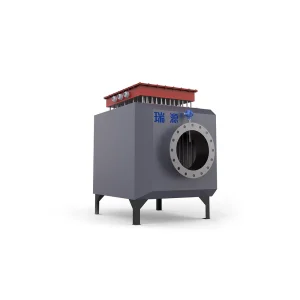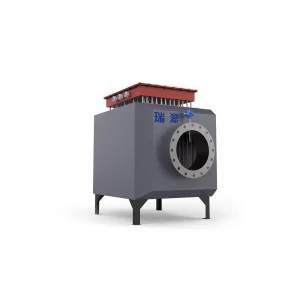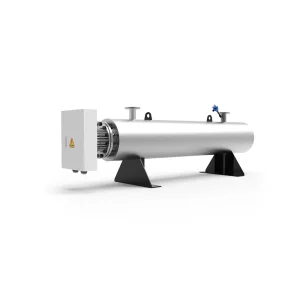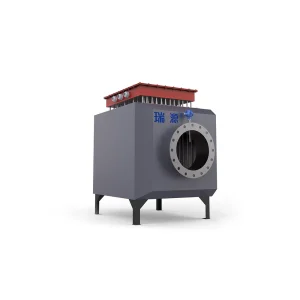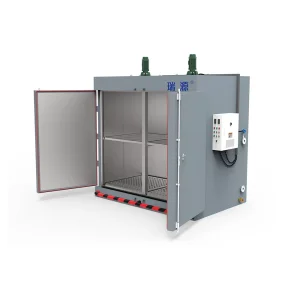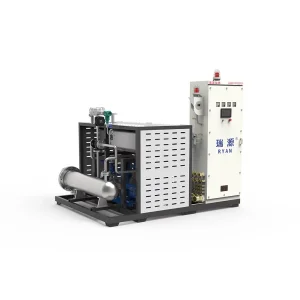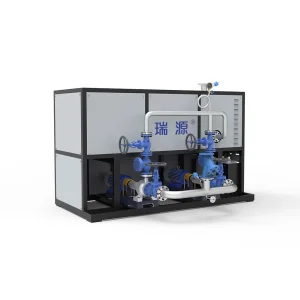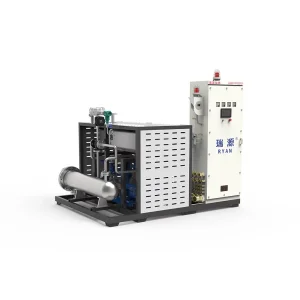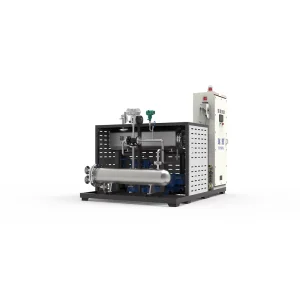
In the modern industrial paradigm, the demand for uniform heat distribution and precise temperature management has never been more critical. Thermal oil-heated ovens (also known as hot oil ovens) have emerged as the gold standard for high-capacity, high-efficiency processing across the globe. Unlike traditional steam or direct-fire systems, thermal oil technology offers a low-pressure, high-temperature operation that significantly enhances safety and longevity.
As a leading China manufacturer, Jiangsu Ruiyuan Heating Equipment Technology Co., Ltd. is at the forefront of this thermal evolution. We provide a bridge between traditional thermodynamics and AI-integrated control systems, ensuring that industries from aerospace to food processing can achieve "zero-defect" thermal results.
The global industrial oven market is shifting toward "Indirect Heating" methods. Thermal oil systems are projected to grow by 6.2% CAGR as manufacturers prioritize energy efficiency and reduced carbon footprints.
High demand in Southeast Asia for textile processing, in Europe for chemical polymerization, and in North America for composite material curing and aerospace applications.
Movement from fossil fuel combustion to Electric Thermal Oil Heaters to align with ESG (Environmental, Social, and Governance) goals and "Net Zero" initiatives.
Decarbonization: Integration of renewable energy sources into electric thermal fluid heaters, reducing operational emissions by up to 40%.
Digital Twins: Real-time monitoring and predictive maintenance using IoT sensors to prevent oil degradation and heater fouling.
Precision Controls: Advancing from standard PID to AI-based fuzzy logic control, achieving temperature stabilities of ±0.5°C.
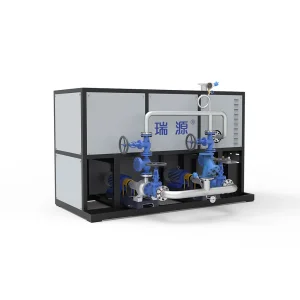
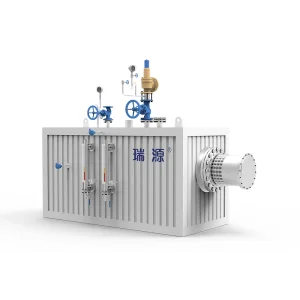
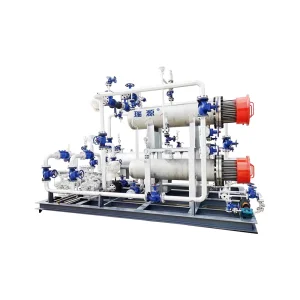
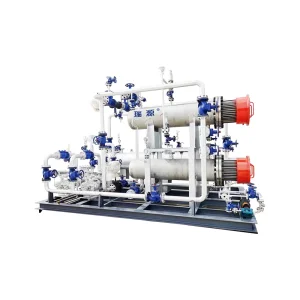
Modular Design: Skid-mounted, plug-and-play systems that reduce onsite installation time and infrastructure costs.
The future of thermal oil heating lies in Intelligent Thermal Management. Over the next five years, the industry will transition from "constant heating" to "dynamic demand heating."
At Jiangsu Ruiyuan, our 30 years of R&D focus on four specific technical pillars:
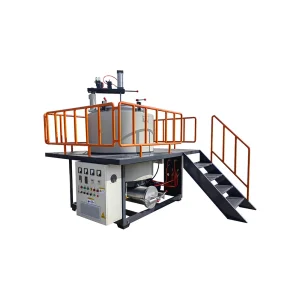
Removing polymers from spinnerets and filter components using Vacuum Cleaning Furnaces. Precise oil-based heating ensures even removal without damaging delicate hardware.
Gentle heating for chocolate processing, oil deodorization, and pharmaceutical synthesis where direct flame exposure is prohibited by safety and quality standards.
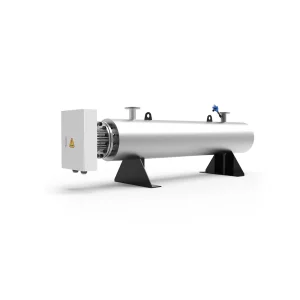
Utilizing Electric Pipe Heaters and Thermal Oil Skids to maintain viscosity in extreme cold climates, ensuring seamless transport through pipelines.
Jiangsu Ruiyuan Heating Equipment Technology Co., Ltd. is not just a manufacturer; we are a solution provider. Our corporate culture—"Integrity as foundation, quality as success"—is reflected in how we tackle customer challenges.
We solve four key industry pain points:
Years of Engineering Excellence
Specializing in industrial electric heating equipment, vacuum cleaning furnaces, air heaters, and biphenyl steam generators.
“Keeping pace with the times and continuous innovation is our DNA.”
Thermal oil ovens operate at atmospheric pressure even at temperatures up to 350°C, whereas steam would require extremely high pressures. This makes thermal oil systems safer, easier to maintain, and eliminates the need for expensive high-pressure vessel certifications in many regions.
With a high-quality Ruiyuan heating system, oil can last 3-5 years. Our systems are designed to minimize oxidation and thermal cracking by maintaining optimal film temperatures and using expansion tanks with nitrogen blanketing.
Yes, Ruiyuan specializes in non-standard equipment. We provide skid-mounted vertical or horizontal configurations to fit your facility's specific layout and spatial constraints.
Electric heaters offer nearly 100% conversion efficiency at the point of use and much more precise control. While fuel costs vary by region, the lower maintenance and higher control precision of electric systems often result in a lower Total Cost of Ownership (TCO).
Our products comply with major Chinese and international industrial standards, including explosion-proof ratings and ISO 9001 quality management, ensuring reliability in high-stakes environments.