Industrial Heating Evolution in Japan: A Strategic Technical Roadmap
Japan’s industrial sector is undergoing a profound transformation. As the nation marches toward its 2050 Carbon Neutral Goal, major manufacturers in Tokyo, Osaka, and Nagoya are shifting from traditional fossil-fuel-fired boilers to high-efficiency Electric Thermal Oil Heating Systems. This transition is not merely about environmental compliance; it is about achieving the "Society 5.0" vision of hyper-efficient, data-driven production.
The Japanese Industrial Landscape & Local Support
In the Japanese market, technical reliability and JIS (Japanese Industrial Standards) compliance are non-negotiable. Whether it's the semiconductor industry in Kyushu or chemical plants in Chiba, the demand for precision is absolute. Jiangsu Ruiyuan Heating Equipment Technology Co., Ltd. bridges the gap between high-capacity Chinese manufacturing and the meticulous requirements of Japanese engineering. We provide comprehensive documentation, seismic-resistant designs, and localized support interfaces to ensure seamless integration into Japanese factory floors.
Localization, Compliance, and METI Safety Standards
Exporting pressure vessels to Japan requires a deep understanding of the High Pressure Gas Safety Act and Ministry of Economy, Trade and Industry (METI) regulations. Our engineering team specializes in non-standard equipment design that meets these rigorous safety thresholds, particularly for thermal oil systems operating at high temperatures. By sourcing from a Chinese Factory 4.0, Japanese enterprises gain the benefit of 30 years of R&D without compromising on the safety protocols required by local fire departments and insurance underwriters.
Macro Industry Solutions: Beyond Simple Heating
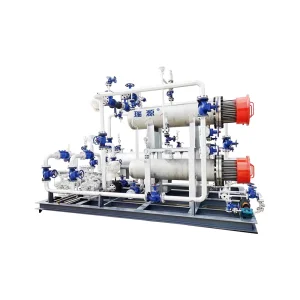
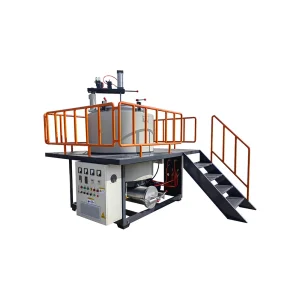
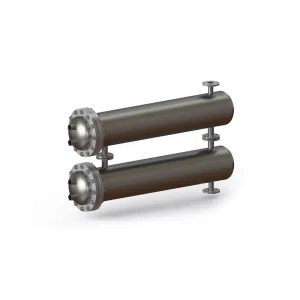
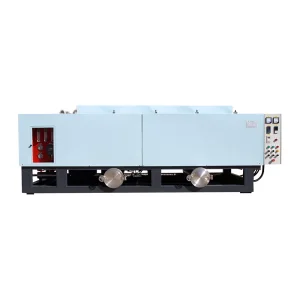
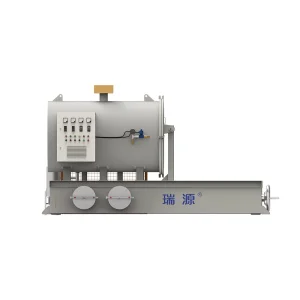
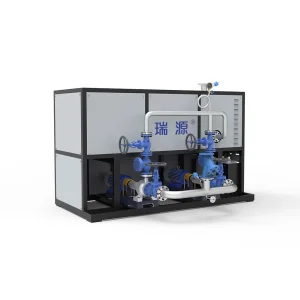
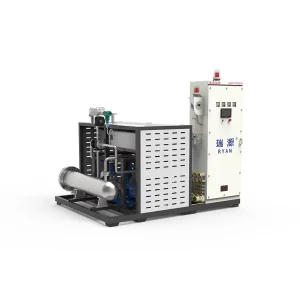
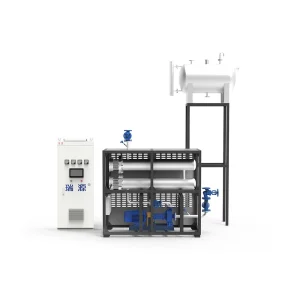
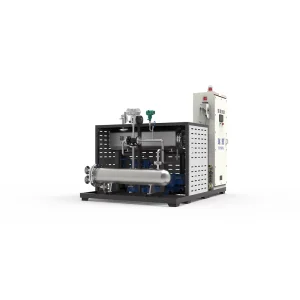
Our solutions for the Japanese market extend beyond simple hardware. We provide Integrated Thermal Management Systems. This includes the implementation of TCU (Temperature Control Units) that offer ±0.5°C accuracy—a critical requirement for Japanese carbon fiber production, high-end polymer processing, and pharmaceutical manufacturing. By utilizing biphenyl steam generators and electric thermal fluid heaters, we help Japanese firms reduce their scope 1 and scope 2 emissions significantly.