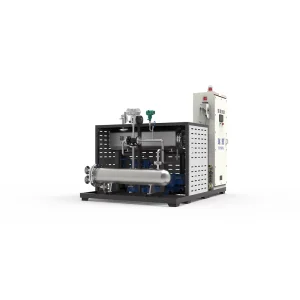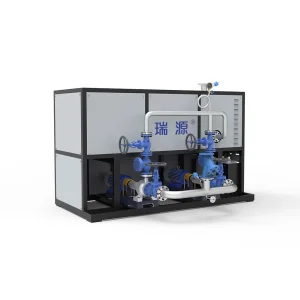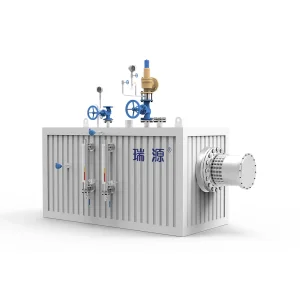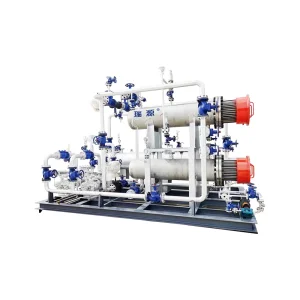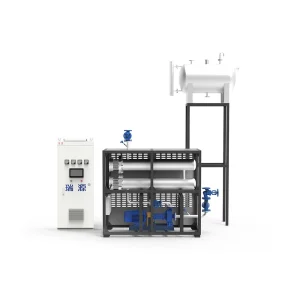
In the landscape of industrial thermal management, Hot Oil Heat Transfer Systems (also known as Thermal Fluid Systems) have emerged as the gold standard for applications requiring high temperatures at low operating pressures. Unlike traditional steam systems, thermal oil systems operate in a liquid phase, eliminating the risks of high-pressure explosions and the high maintenance costs associated with water treatment and corrosion.
The global heat transfer market is undergoing a seismic shift toward electrification and digitalization. Current trends include:
Chinese manufacturers, led by industry veterans like Jiangsu Ruiyuan Heating Equipment Technology Co., Ltd., have redefined the competitive landscape through:
Access to raw materials and specialized components ensures faster lead times and lower costs without sacrificing quality.
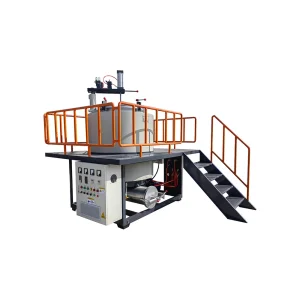
Chinese factories excel at "Non-standard Equipment" design, tailoring systems to specific spatial and thermal requirements.
Continuous innovation in vacuum calcination and biphenyl steam generation technologies.
From the bustling petrochemical plants in the Middle East to the textile hubs in Southeast Asia, Ruiyuan's systems provide critical infrastructure:
Precise exothermic reaction control and jacketed vessel heating.
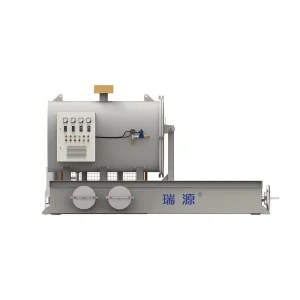
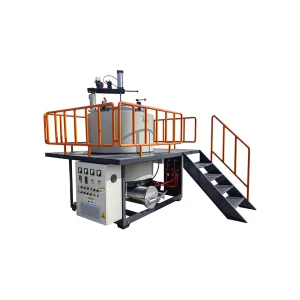
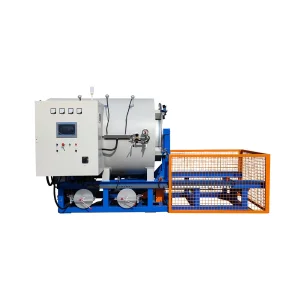
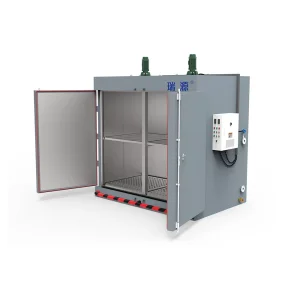
Vacuum cleaning furnaces for removing polymer residues from spinnerets and dies.
Heating heavy fuel oils and asphalt pipelines for smooth transport.
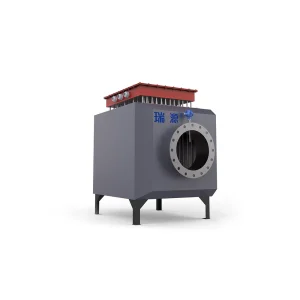
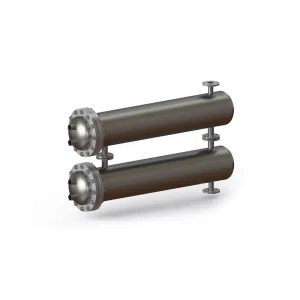
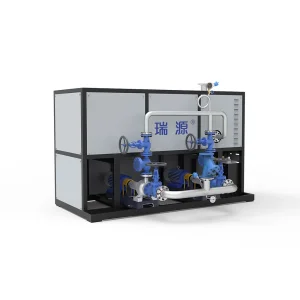
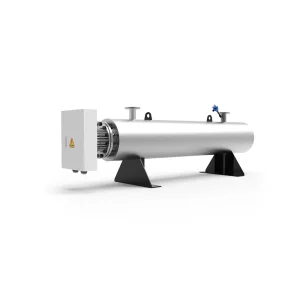
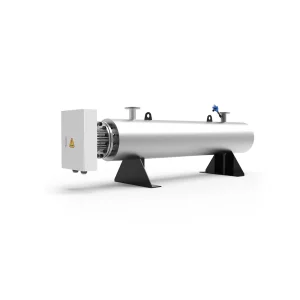
With over 30 years of experience in boiler R&D and manufacturing, Ruiyuan specializes in industrial electric heating equipment. Its product range includes electric thermal oil heaters, vacuum cleaning furnaces, air heaters, biphenyl steam generator, and related accessories.
We primarily assist customers in resolving four key challenges: inaccurate heating and temperature control, difficulties in high-temperature cleaning, slow pipeline heating, and challenges in sourcing non-standard equipment.
International buyers from Fortune 500 companies prioritize three pillars when selecting a thermal oil heater factory:
Adherence to CE, ASME, and ISO standards is non-negotiable for safety and insurance compliance.
Systems must demonstrate high COP (Coefficient of Performance) to ensure long-term operational savings.
Provision of spare parts, remote technical support, and comprehensive maintenance manuals.
A: Electric heaters offer higher precision, smaller footprints, no flue gas emissions, and nearly 100% energy conversion. They are also easier to automate and integrate into smart factory systems.
A: With proper maintenance and avoiding "hot spots," quality thermal fluid can last 3-5 years. Regular oil analysis is recommended every 6 months to check for oxidation and thermal cracking.
A: Yes, we provide ATEX and IECEx certified electric heating systems designed specifically for Class 1, Division 1 and 2 environments in the oil and gas sector.
A: Depending on the complexity, design typically takes 1-2 weeks, with manufacturing taking 4-8 weeks. Our optimized supply chain allows us to beat the industry average by 15%.