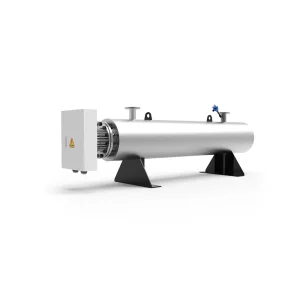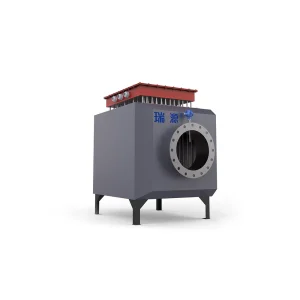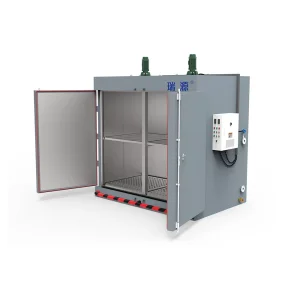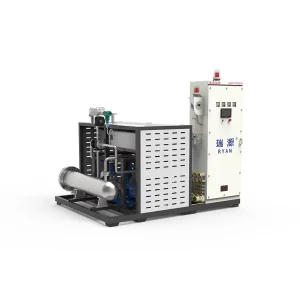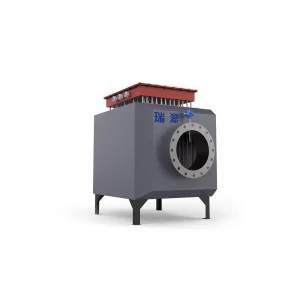
Engineered for high-viscosity media transportation, mining operations, and large-scale industrial fluid systems.
Bridging process challenges with high-end thermal designs under challenging off-grid & remote environments.
The Central African Republic (CAR) is entering a crucial developmental phase focusing on its abundant agricultural, mining, and timber resources. Processing raw products domestically requires specialized thermal solutions. From the lumber kilns of the southern tropical forests to mineral processing plants around Ouadda and Bria, precision temperature control determines output quality and operating costs.
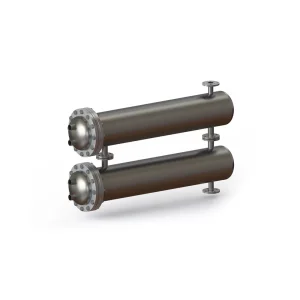
Moreover, modern asphalt production and heavy oil logistics in regional logistics corridors require reliable heavy oil pipeline heaters. Heavy oil and bitumen must maintain a consistent viscosity range under variable ambient temperatures. This ensures trouble-free transport and prevents costly pipeline clogs.
A primary operational obstacle in Central African industrial sites is the fluctuation of local grid power. High-wattage heating systems require customized power regulation. Jiangsu Ruiyuan Heating Equipment Technology Co., Ltd. addresses this by building advanced multi-stage SCR (Silicon Controlled Rectifier) power control panels. These panels prevent grid surge spikes and minimize the load on local generator networks.
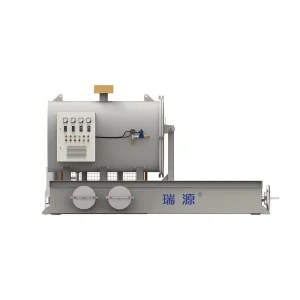
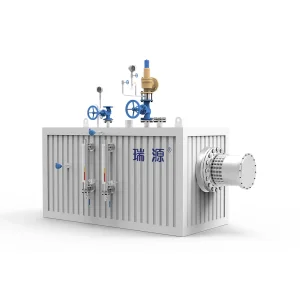
Whether using biomass, fuel-fired, or electric sources, our thermal oil systems are built for thermal efficiency. We minimize maintenance down-time in landlocked locations where replacement parts have long lead times.
How we assist customers in overcoming high-temperature processing obstacles.
Fluctuations in process temperature ruin synthetic polymer products and disrupt chemical processing. We supply high-precision cascade PID loops controlling fluid systems within ±0.5°C.
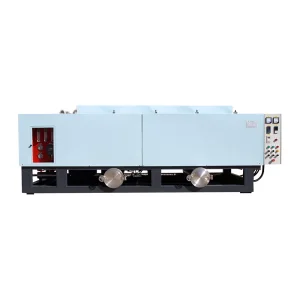
Polymer residue buildup inside industrial machinery degrades production runs. Our high-efficiency vacuum calcination cleaning systems completely vaporize complex organic structures without harming substrate metals.
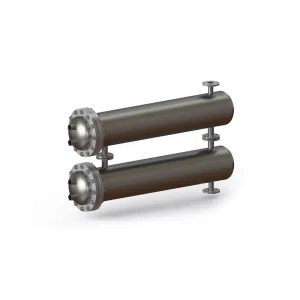
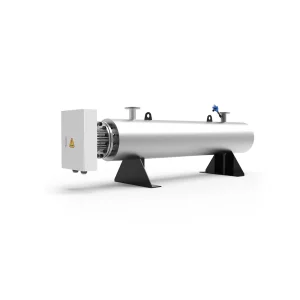
Viscous oil clogs in pipelines disrupt flow and stop operations. Our custom-designed pipeline heating cables and jacketed pipe systems deliver high-efficiency heat directly to the fluid.
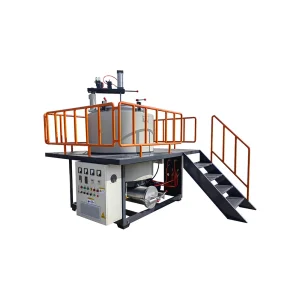
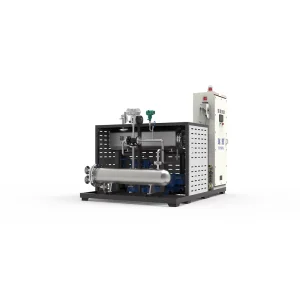
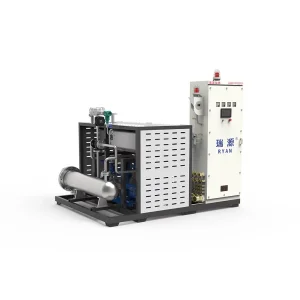
No two processing plants are alike. Standard off-the-shelf equipment rarely meets specific footprint constraints, energy inputs, or pressure vessel ratings. Jiangsu Ruiyuan specializes in custom manufacturing. We offer skid-mounted oil heating systems tailored to challenging installation setups in Central African processing mills.
How 30+ Years of Manufacturing Excellence Empowers Global Operations.
Our deep engineering legacy allows us to understand complex thermodynamics. We design industrial equipment that withstands decades of rugged operation in challenging field conditions.
Guided by our philosophy of "integrity as our foundation, quality as our key to success, keeping pace with the times, and continuous innovation", we guarantee every system meets high performance standards.
We provide full-service export support to Central Africa. Our team manages transit logistics through the Port of Douala and overland transport to Bangui, ensuring secure arrival and simple customs clearance.
Selecting the optimal equipment for local industries in Central Africa.
| Industry Application | Operational Challenge | Recommended System | Key Technical Advantage |
|---|---|---|---|
| Road Construction & Infrastructure | Bitumen/Asphalt solidification in transport lines | RYAN Electric Pipe Heater | Low-watt density heating elements prevent carbonization. |
| Mining & Ore Extraction | Cold chemical separation in gold and diamond processing | Explosion-Proof Thermal Oil Boiler | Safe for hazardous environments with explosion-proof control panels. |
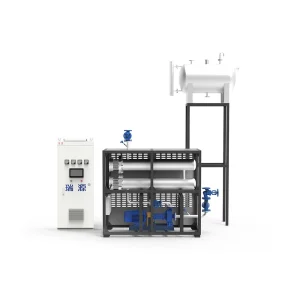
| Agricultural Oil Refining | Palm oil and cotton seed oil deodorization processes | Thermal Oil Heater with Temperature Control | Precise high-temperature loops (up to 350°C) without high pressures. |
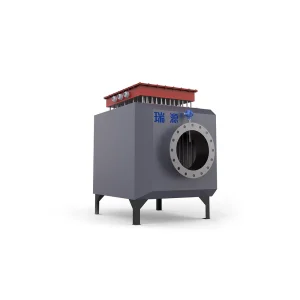
| Wood Processing & Veneer Mills | Kiln drying of dense tropical hardwoods | RYAN Air Heating Duct Heater | Uniform air circulation with high-capacity heat exchanges. |
Explore our complete catalog of industrial heaters, calcination ovens, and heat exchangers.
A guide to understanding electrical load management, thermal expansion, and cleaning systems.
In industrial processing, selecting between direct element immersion and indirect thermal oil loops affects product stability. Direct immersion heating provides high energy transfer efficiency, making it suitable for low-viscosity, non-reactive liquids. However, heat-sensitive fluids like asphalt or cooking oil can degrade if they contact high-watt-density heating elements directly.
Indirect thermal oil systems utilize a heat transfer fluid circulating through a closed loop. The heater warms the fluid, which then transfers heat to the process vessel. This approach prevents localized overheating and provides uniform heat distribution, which is critical for food processing and polymer synthesis.
Thermal fluid degradation occurs when heat-transfer oils are exposed to temperatures above their design limits. This causes cracking, reduces the fluid's flash point, and leads to carbon deposits on the heater elements. These deposits insulate the elements, which can cause them to overheat and fail prematurely.
To prevent this, our systems maintain turbulent flow through the heater, avoiding stagnant fluid zones. We also use multi-point temperature sensors to monitor the heating elements and the fluid. The PLC system automatically reduces heating output if flow rates drop, protecting the thermal fluid and the equipment.
Industries processing synthetic materials face issues with residue buildup on spinnerets, extrusion dies, and filter packs. Manual cleaning can damage these precision steel components.
Our vacuum calcination furnaces solve this by heating components under a vacuum. This process breaks down polymers into gaseous compounds, which are then oxidized in a secondary chamber. The remaining ash can be rinsed off easily. This method extends the lifespan of production components and avoids the use of harsh chemical solvents.
Technical answers to common questions about operating industrial heating systems in Central Africa.
We build our heating systems with SCR (Silicon Controlled Rectifier) power controllers and multi-stage steps. The system adjusts power usage incrementally rather than switching the full electrical load instantly. This reduces voltage drops and grid stress, making our equipment compatible with industrial generators and remote local power grids.
For custom systems, our manufacturing cycle takes 6 to 10 weeks, depending on the design. We handle sea shipping to the Port of Douala (Cameroon) followed by overland transit to your facility in Bangui. Our team provides complete documentation support to facilitate customs clearance.
Yes. Our heaters and control panels can be built to meet ATEX, IECEx, and CNEx explosion-proof standards. We use explosion-proof enclosures, mineral insulated wiring, and isolated connection terminal boxes designed for Class I Division 1/2 or Zone 1/2 hazardous environments.
We provide comprehensive installation manuals, electrical schematics, and P&ID blueprints. Our engineers are available for remote video commissioning support. If required, we can also dispatch field service technicians to assist with onsite installation, calibration, and training.
Our biphenyl steam generators and thermal oil ovens are designed for industries requiring high processing temperatures (250°C to 350°C) without the high pressures associated with saturated steam. Typical applications include synthetic fiber manufacturing, PET polymer processing, and industrial baking or chemical drying ovens.