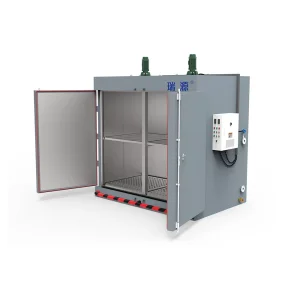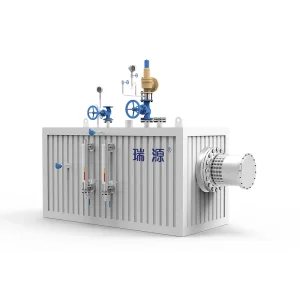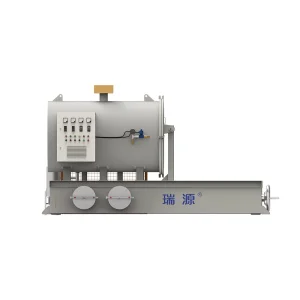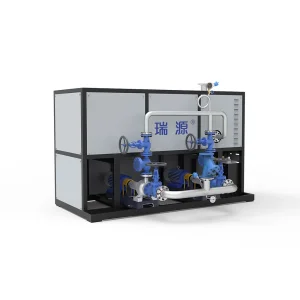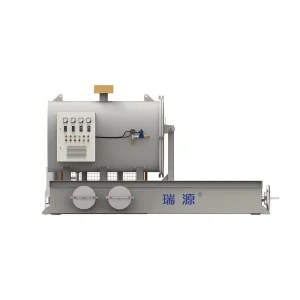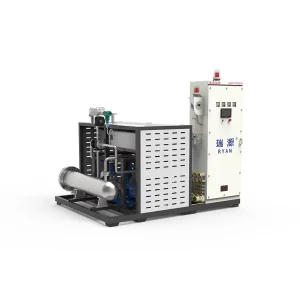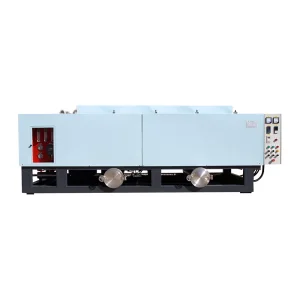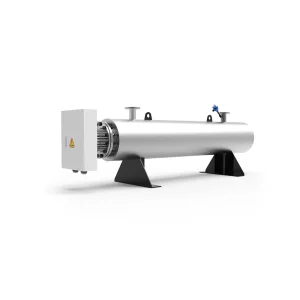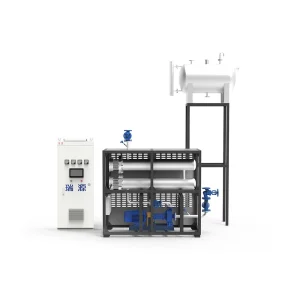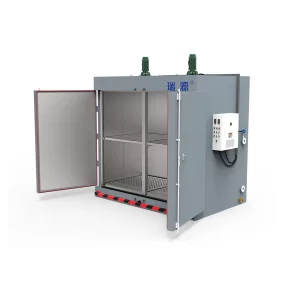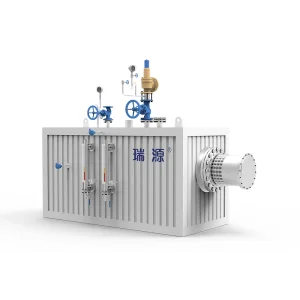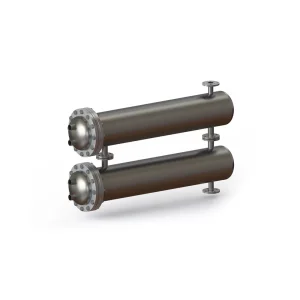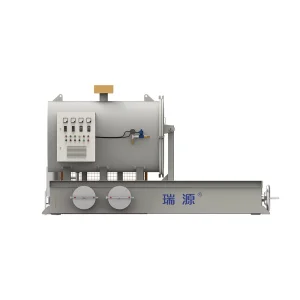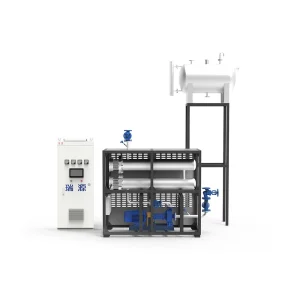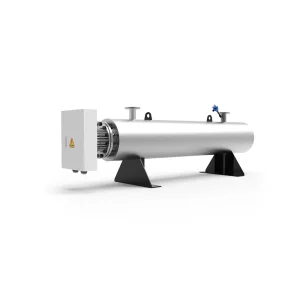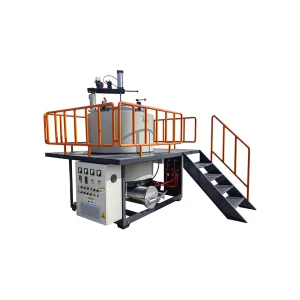
In the modern industrial era, precision heating is not just a utility; it is the heartbeat of manufacturing. As global industries shift toward Industry 4.0, the demand for high-efficiency industrial hot oil heaters (also known as thermal fluid heaters) has reached an unprecedented peak. These systems are critical in sectors ranging from petrochemical processing and synthetic fiber production to food processing and wood laminating.
Unlike traditional steam systems, thermal oil heating operates at significantly lower pressures while maintaining high temperatures (up to 350°C or higher). This provides a safer, more controllable, and highly efficient heat transfer medium. Today's global market demands systems that are not only powerful but also environmentally sustainable, driving the adoption of electric-fired and high-efficiency fuel-fired solutions.
Chinese manufacturers like Jiangsu Ruiyuan Heating Equipment Technology Co., Ltd. leverage a unique ecosystem that combines raw material accessibility with advanced engineering talent. This allows for rapid prototyping and the production of non-standard, custom-engineered equipment that meets stringent international standards.
Efficiency in China is defined by the "Supply Chain Cluster" effect. By concentrating R&D, component manufacturing, and final assembly within localized hubs, we reduce lead times by 30-40% compared to Western counterparts, without compromising on E-E-A-T (Expertise, Authoritativeness, and Trustworthiness).
With 30 years of history, our culture is rooted in "integrity as our foundation, quality as our key to success." Every unit undergoes rigorous thermal stress testing and pressure certification before being exported to the global market.
Industrial heating is never a "one-size-fits-all" solution. We specialize in resolving four key challenges faced by global enterprises:
The global push for "Net Zero" is driving a massive shift from fossil-fuel burners to Electric Thermal Oil Heaters. These systems eliminate on-site emissions and can be powered by renewable energy sources, significantly lowering the carbon footprint of industrial plants.
Modern heaters are now equipped with IoT sensors that provide real-time data on oil degradation, heating element health, and energy consumption. This allows for predictive maintenance, preventing unexpected failures and extending the system's lifespan.
Certain exothermic chemical reactions require rapid switching between heating and cooling phases. Our "Industrial Thermal Oil Heater with Cooling Function" integrates both circuits into a single PLC-controlled unit, maximizing space and process efficiency.
When sourcing industrial heating equipment on a global scale, procurement officers prioritize four pillars of E-E-A-T:
Does the supplier meet CE, ASME, or ISO standards? At Ruiyuan, we ensure every product is built to international code.
Non-standard equipment sourcing is a major pain point. We offer bespoke engineering for unique footprint or temperature requirements.
Lower purchase price often masks high energy costs. We focus on thermal efficiency to ensure the lowest Total Cost of Ownership (TCO).
Heating systems are critical. Our 30+ years of experience ensures that we provide deep technical support long after the sale.
Jiangsu Ruiyuan Heating Equipment Technology Co., Ltd. is a Chinese manufacturing company specializing in research and development, production, sales and after-sales service. With over 30 years of experience in boiler R&D and manufacturing, we specialize in industrial electric heating equipment.
Our corporate culture is built on "integrity as our foundation, quality as our key to success, keeping pace with the times, and continuous innovation."